How Do Hermit Crabs Get Their Shells? (Smart Way)
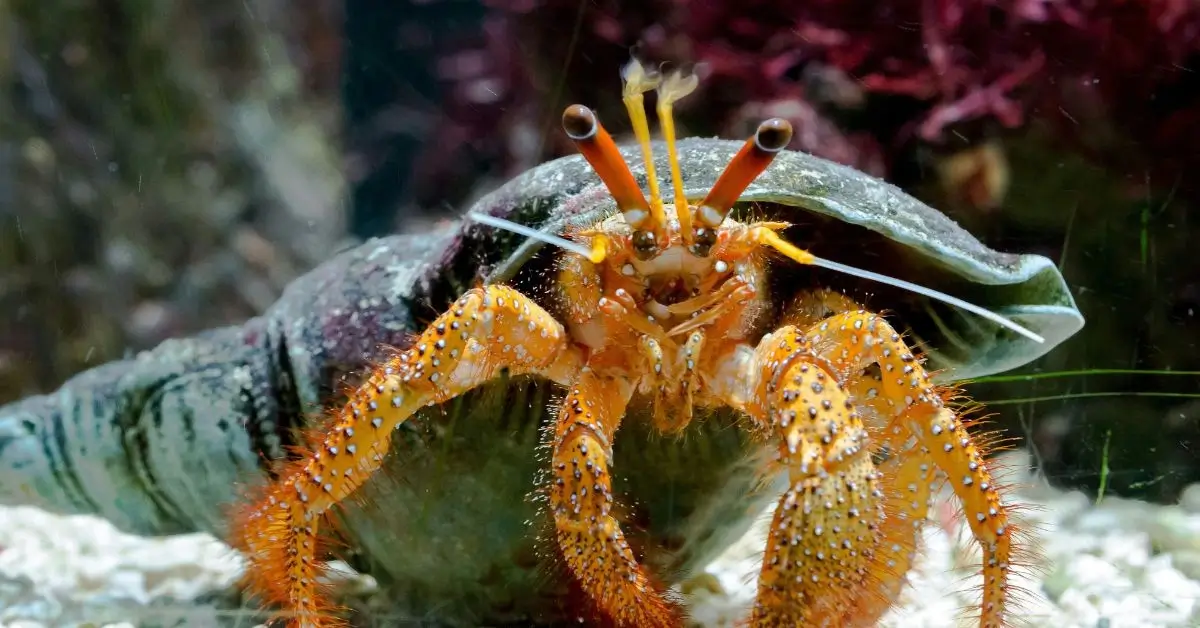
Watching a hermit crab pick out a new shell is one of the coolest things you can see in nature. It is not random. It is not luck. Hermit crabs have a smart way of finding and choosing shells that involves smell, touch, sight, and even waiting in line with other crabs. Once you know how it works, you will never look at a hermit crab the same way again.
The Short Answer

Hermit crabs get their shells by finding empty ones from dead sea snails, checking them carefully, and only moving in if the shell is a good fit. They find shells by smell, by sight, and sometimes by waiting in line with other crabs for a better one. The actual swap into a new shell takes only a few seconds, but the search can take hours or even days.
Step 1: Finding a Shell
Hermit crabs are scavengers. They spend most of their time walking along beaches and tide pools looking for food, and they always keep one eye out for shells. Empty shells usually show up in three ways:
- A snail dies. Its empty shell washes up on the beach or sinks to the ocean floor, and hermit crabs find it while looking for food.
- A bigger animal kills a snail. When a moon snail or whelk attacks another snail, the empty shell becomes fresh real estate. Hermit crabs can smell the injured snail and will show up to wait for the shell.
- Another hermit crab leaves one behind. When a bigger crab moves into a larger shell, its old home is suddenly free for a smaller crab to take.
Research shows that hermit crabs rely a lot on smell to find shells. They can pick up the scent of a dying or decaying snail from far away. Damp, humid beaches help boost their sense of smell, which is why tropical shorelines are the best places to find shells.
Step 2: Checking the Shell
Once a crab finds a shell it likes the look of, it does not just jump in. It checks the shell very carefully first. Here is what it looks for:
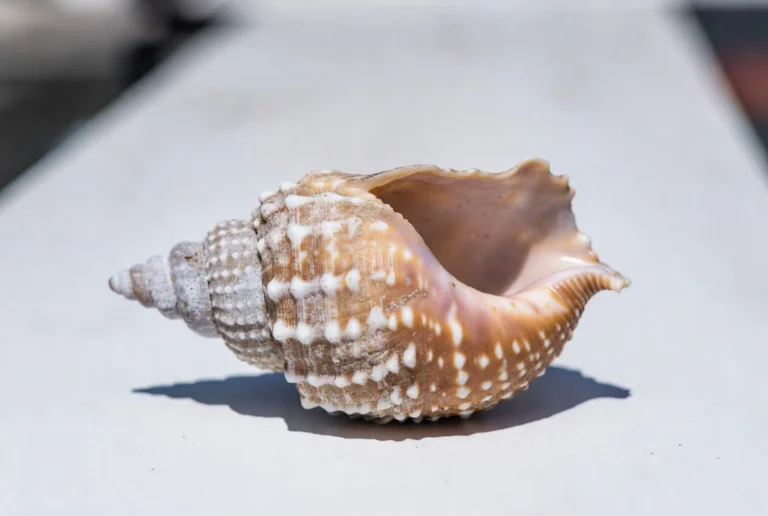
- The opening size. The crab uses its big claw to reach down into the shell and feel if its body will fit. The opening is the most important part – too small and the crab cannot pull itself inside, too big and predators can reach in.
- The weight. Using its legs and feelers, the crab figures out if the shell is light enough to carry around. A shell that is too heavy slows the crab down and wastes its energy.
- The inside. The crab feels around inside the shell to check for cracks, holes, or dirt. If anything feels off, it moves on.
- Is anyone home? Hermit crabs will not move into a shell that is already taken. They test to make sure the old owner (snail or crab) is really gone.
This whole check can take a few minutes. If the shell does not pass, the crab goes back to its old one and keeps looking. Here is a sad fact: research has shown that hermit crabs that eat tiny bits of plastic make much worse shell choices. The plastic messes with their brain and they stop checking shells as carefully. It shows just how smart and careful this normal shell-picking process really is.
Step 3: The Actual Shell Swap
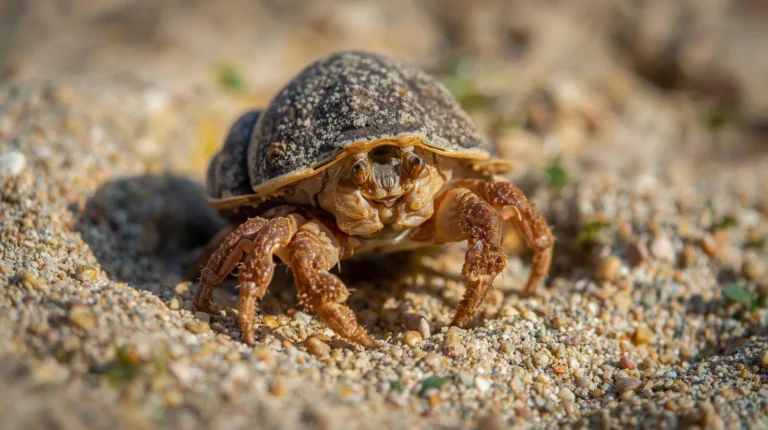
If the new shell passes the test, the swap happens fast – usually in under 10 seconds. The crab pulls itself out of its old shell with its front legs and claws, then quickly backs into the new shell, tail first. This is the most dangerous moment in a hermit crab’s life. For those few seconds, its soft body is out in the open. Any nearby predator, or any other crab looking to steal a shell, has a chance to attack. Once the crab is safely inside, it grips the inside of the shell with a special hook on its tail, locking itself in place. Most crabs will not leave their new shell again unless they are forced to.
The “Shell Line” – How Crabs Share New Homes
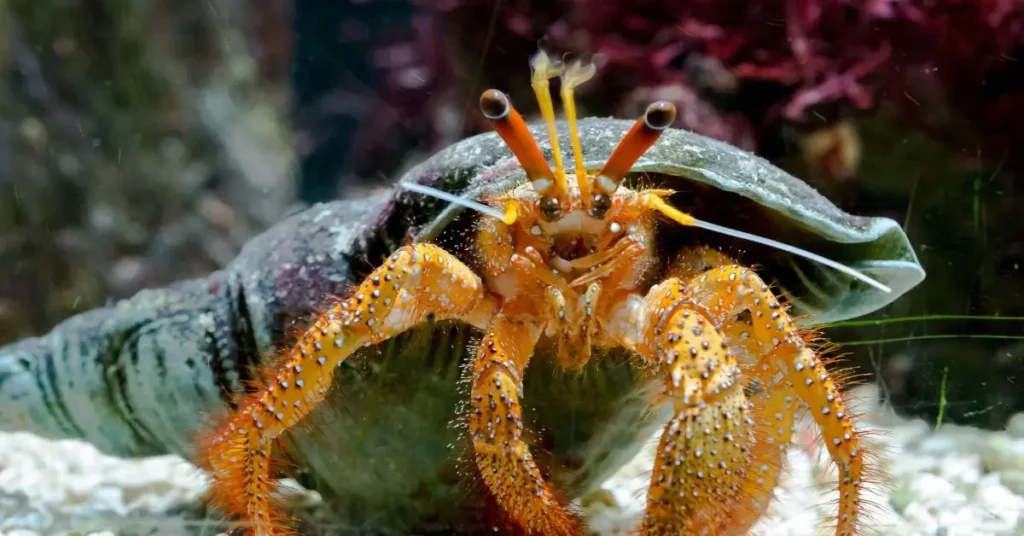
This is the part that blew my mind when I first learned about it. When a shell is too big for the crab that finds it, that crab does not just walk away. It waits. More crabs show up and line up behind it, from biggest to smallest, sometimes climbing on top of each other. When a big enough crab finally arrives and moves into the new shell, the next biggest crab quickly takes that crab’s old shell, then the next one takes the shell after that, and so on all the way down the line. The whole chain of upgrades can happen in just a few seconds.
Scientists call this a “vacancy chain” and it is one of the only animals known to do this kind of group sharing. A single empty shell can upgrade a dozen crabs in just a few minutes. It turns one lucky find into a shared win for the whole group. Scientists have even studied this behavior to better understand how people share resources like houses and jobs.
When Crabs Fight Over Shells
Not every shell swap is peaceful. When good shells are hard to find, hermit crabs will force each other out. An attacker will grab another crab’s shell and rock it back and forth – sometimes for several minutes – trying to pull the owner out. If it works, the two crabs swap shells, whether the loser likes it or not. In some cases, crabs have even been seen teaming up on one crab wearing a nice shell, working together to pull it out. It sounds mean, but it happens because a hermit crab without a good shell will not survive for long.
Conclusion:
Hermit crabs get their shells by searching, checking them carefully, and moving in only when the new shell is a clear upgrade. They use smell, sight, touch, and even team work to solve one of the biggest problems in their lives: finding a home that fits just right. It is not just instinct. It is real decision-making, and it is much smarter than most people think.
This whole search matters because a hermit crab’s need for a shell is a matter of survival, not comfort.
FAQs:
A: Young hermit crabs change shells a lot as they grow, sometimes every few weeks. Adult crabs swap shells much less often, usually once every 12 to 18 months, right after they molt.
A: When a shell starts feeling too tight after a molt, or when it gets cracked or damaged, the crab will start looking for a better one. Sometimes they change shells just because they feel like it. They are picky about fit and comfort.
A: It will stay in its current shell even if it is too small, which can stop its growth or hurt it. When shells are really hard to find, wild hermit crabs have even been seen using bottle caps, broken glass, and bits of plastic as shells. Sadly, these makeshift homes often end badly.
One Comment