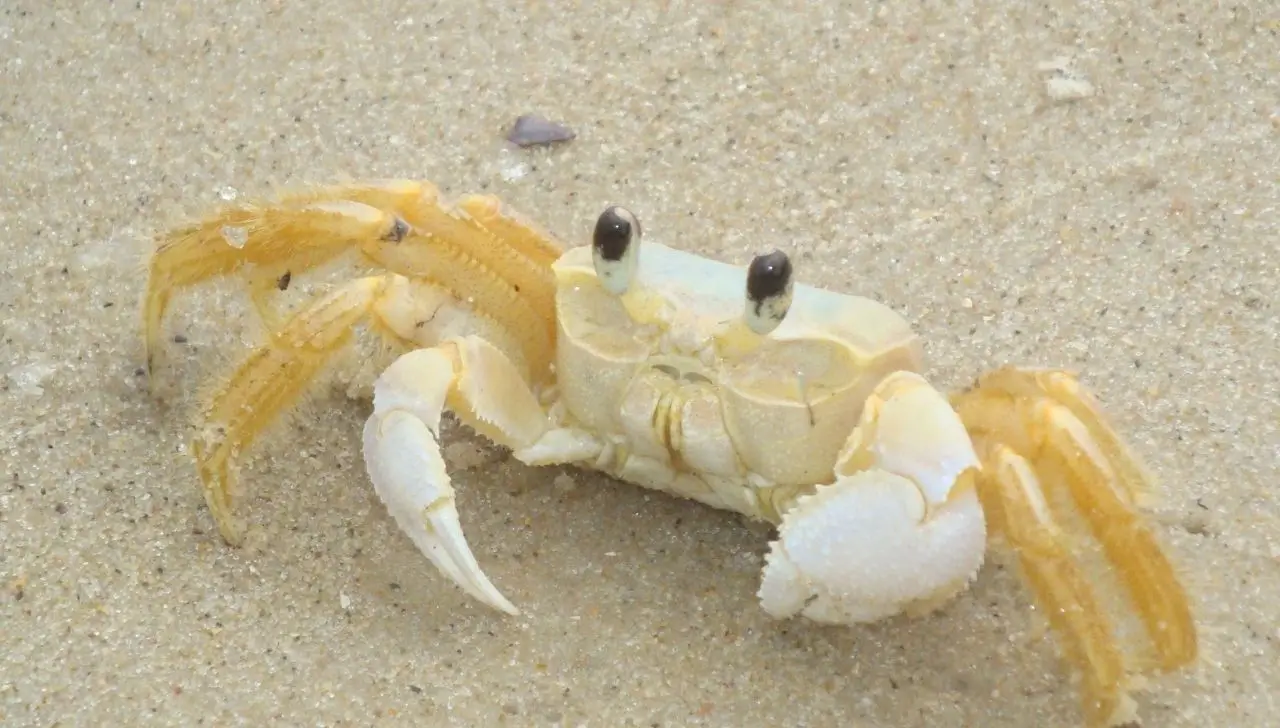
Why Do Hermit Crabs Need Shells? (And What Happens Without)
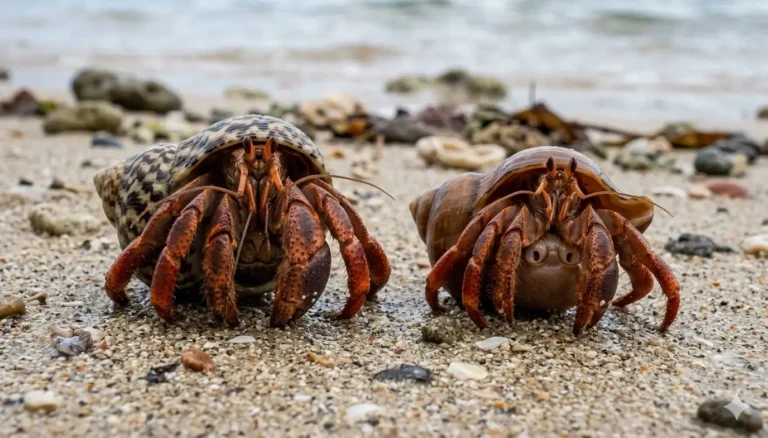
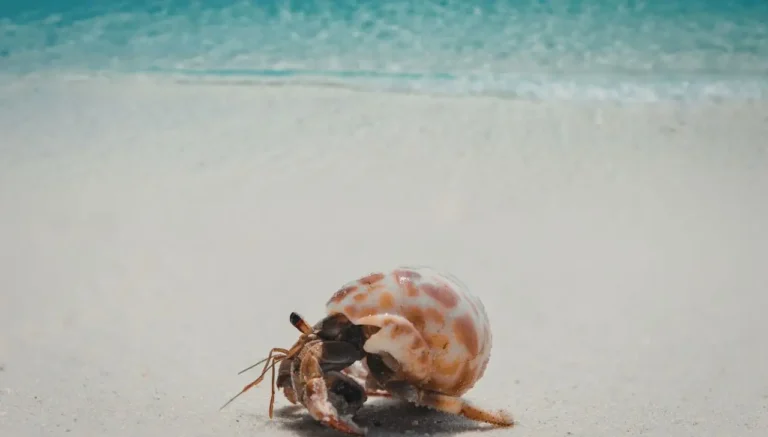
Hermit crabs need shells because their back half never hardens. Unlike true crabs, the abdomen stays soft, curved and completely unprotected, so they move into abandoned snail shells and carry them for life.
That dependence runs deeper than protection. A hermit crab pulled out of its shell is not just exposed, it is suffocating, and the reason why surprises most owners.
Why Do Hermit Crabs Have Shells?
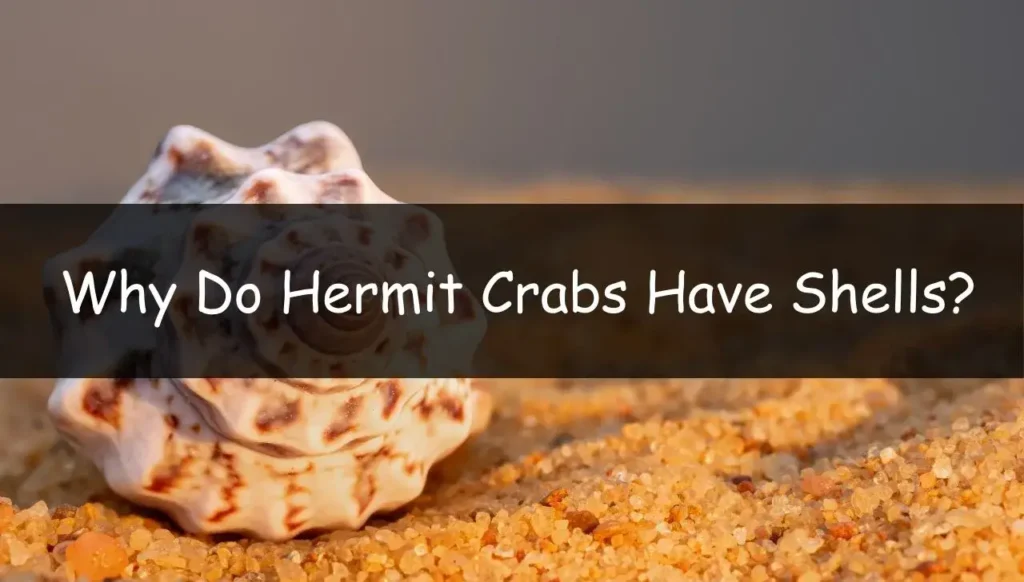
A hermit crab is not built like a regular crab. The covering over its abdomen is thin and never hardens, so there is nothing back there to stop a predator, the sun, or the wind.
The borrowed shell does three jobs.
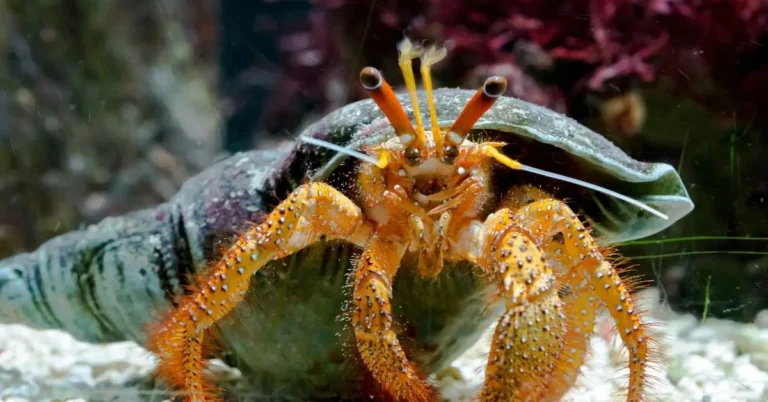
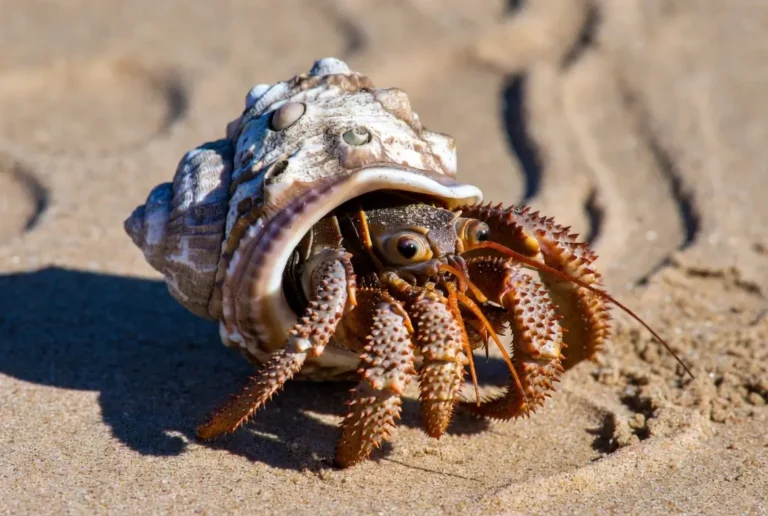
- It blocks predators. A crab can pull its whole body inside and seal the opening with its large claw, which makes it close to impossible to reach.
- It stops the crab drying out. The shell traps water that keeps the gills wet. Land hermit crabs breathe through modified gills that only work while damp, so losing that stored water means suffocating.
- It shields against heat and wind. In hot or dry conditions the shell is the only barrier. Without it the soft body loses water fast and overheats.
What Happens Without a Shell:
This is where it gets serious. A shell-less hermit crab is not simply uncomfortable, it is dying on a clock.
The soft abdomen dries out within hours in open air. At the same time the stored shell water is gone, so the gills dry and the crab suffocates even in a room full of air.
Then there are other crabs. A naked crab is a target, and tank mates will attack one that has nothing to hide in.
This is why hermit crabs almost never leave a shell willingly, and why you should never try to pull one out. A crab will hold on hard enough to injure itself rather than let go.
Where Do Hermit Crab Shells Come From?

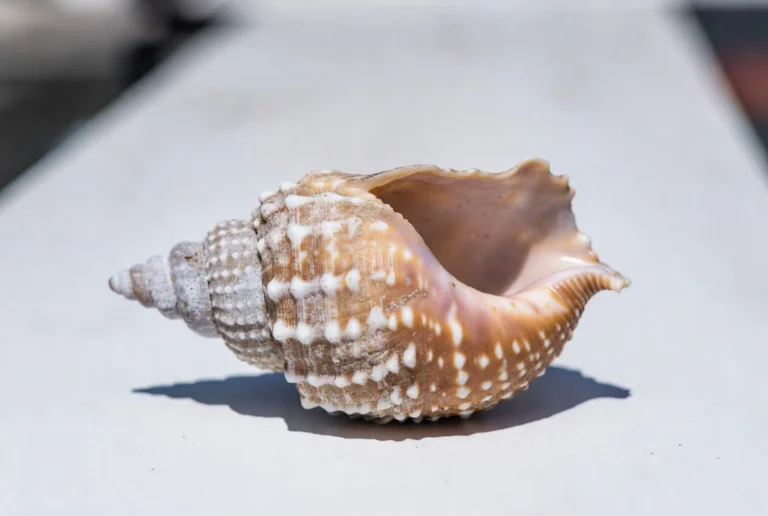
Hermit crabs do not build shells themselves. Every shell they wear was originally made by a sea snail, and this borrowed-shell habit has been running for well over a hundred million years. For the full process of how a crab actually finds and claims one, see how hermit crabs get their shells.
Why Hermit Crabs Change Shells?
Growth, mainly. Crabs keep growing throughout life and eventually the current shell gets too tight.
Females also need extra room inside the shell during breeding season to carry eggs. A crab will also switch if its shell is cracked, too heavy, or a better one turns up.
Finding and picking that next shell is a careful process on its own. A crab inspects size, weight and condition before committing, and rejects anything cracked or badly fitting.
The Hermit Crab Shell Queue:
One behavior worth knowing: when a new empty shell appears, nearby crabs often line up largest to smallest, so each one moves up a size, a process scientists call a vacancy chain. For the full breakdown of how this works, see how hermit crabs get their shells.
Conclusion:
Hermit crabs need shells for the same reason we need houses, except theirs also keeps them breathing. Protection, moisture, and temperature control all come from one borrowed object.
If you keep them, always stock several natural, correctly sized spare shells. It is the single cheapest thing you can do for their health.
(FAQs):
A: Not long. It is exposed to predators, sunlight and dehydration, and its gills dry out, so it may last only hours to a couple of days.
A: Usually stress. A shell that is too small, painted or damaged, low humidity, or illness. Offer several clean natural shells and check your tank conditions.
A: No. The paint chips over time and the crab ingests it. Always use natural, unpainted shells with no cracks or holes.
https://shorturl.fm/0JNJ1