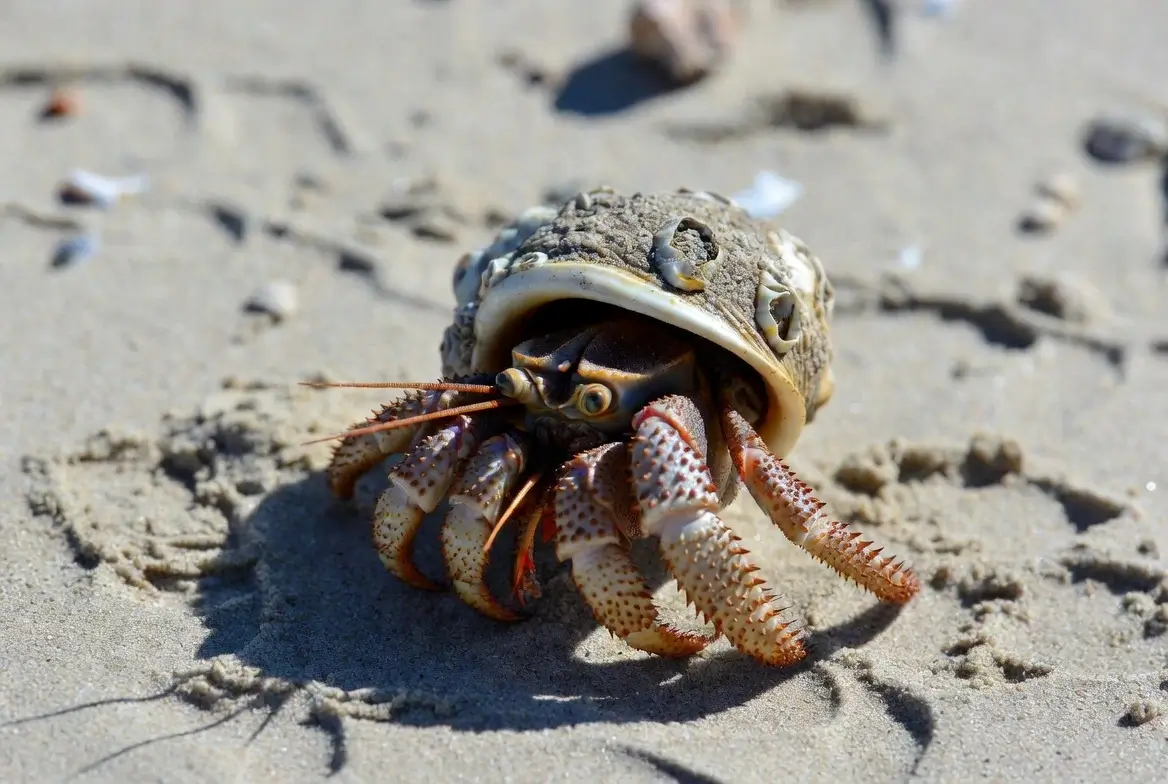
Do Hermit Crabs Pinch? (Does It Hurt + What to Do)
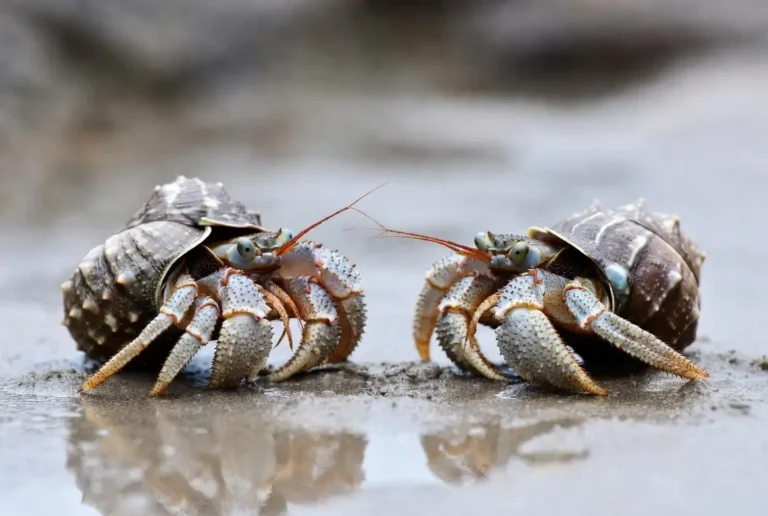
Yes, hermit crabs pinch, and a large one can bruise or break skin. The good news is they do not do it to be mean.
A hermit crab pinches because it feels scared, is trying to hold on, got startled, or is stressed. Understand that, handle it properly, and getting pinched becomes rare.
How Painful Is a Crab Pinch?
Depends entirely on size.
- Baby or tiny crabs. You will barely feel it. About the same as pinching yourself lightly.
- Small crabs. A quick sharp pinch that gets your attention. Startling, not painful. Will not break skin.
- Medium crabs. This one hurts. A strong squeeze that can leave a red mark or a small bruise.
- Large crabs. Genuinely painful. Can leave a deep bruise that lasts for days, and can break skin.
- Jumbo crabs. The most painful. A jumbo pet hermit crab can draw blood and leave bruises sore for a week or more.
One thing surprises most owners. Small crabs often pinch harder than expected. They are tiny, but strong for their size.
Why Do Hermit Crabs Pinch?
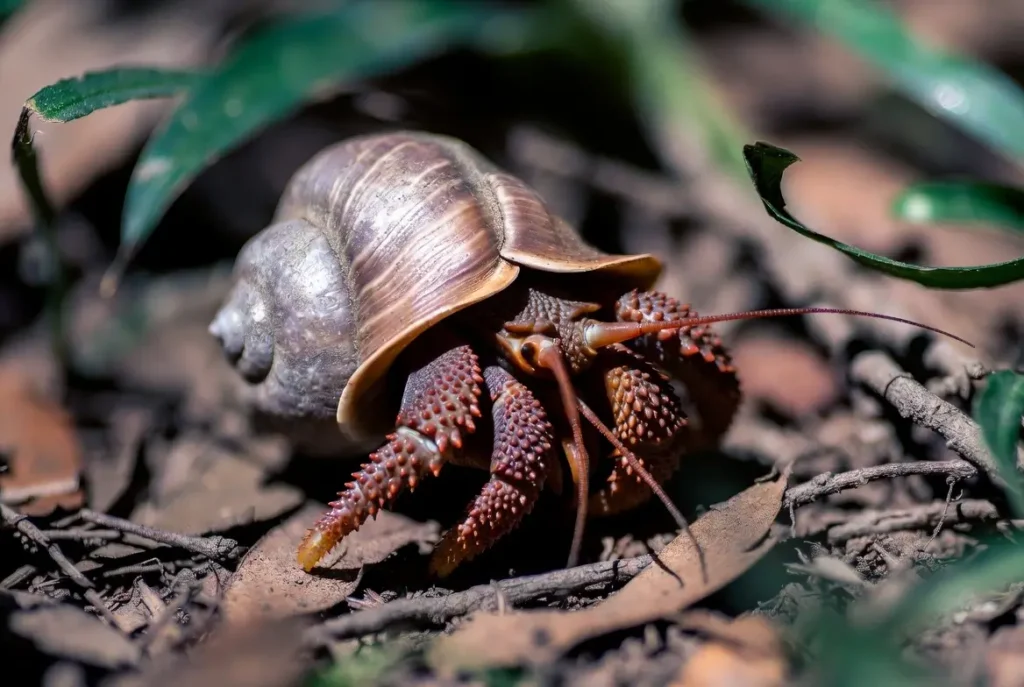
Never out of anger. Four real reasons cover almost every case.
Fear. The number one reason. Picked up suddenly or handled roughly, a crab defends itself with its big claw, the same way it would against a predator in the wild.
Trying to hold on. The reason most people miss. A crab that feels unsteady on your hand grabs your skin to keep from falling. It is a grip, not an attack.
Being startled. Loud noises or sudden movement can trigger a defensive pinch. Crabs are nocturnal and dislike being disturbed in daylight.
Shell or territory stress. A crab worried about shell supply or a new environment pinches more easily. A calm, well-set-up crab pinches far less.
Why Do Hermit Crabs Pinch?
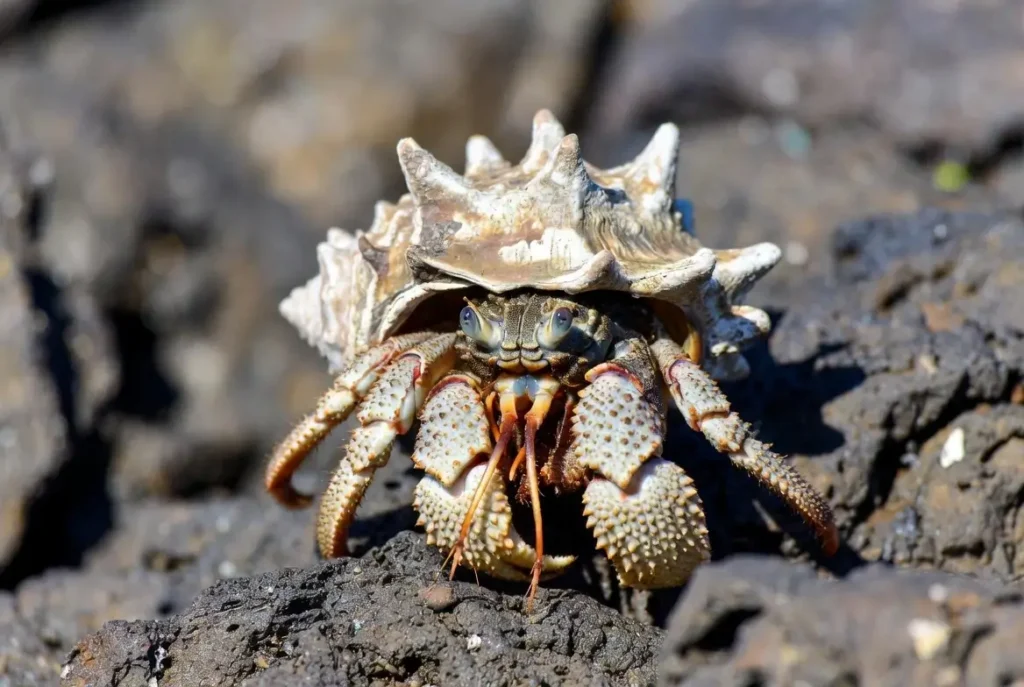
Never out of anger. Four real reasons cover almost every case.
Fear. The number one reason. Picked up suddenly or handled roughly, a crab defends itself with its big claw, the same way it would against a predator in the wild.
Trying to hold on. The reason most people miss. A crab that feels unsteady on your hand grabs your skin to keep from falling. It is a grip, not an attack.
Being startled. Loud noises or sudden movement can trigger a defensive pinch. Crabs are nocturnal and dislike being disturbed in daylight.
Shell or territory stress. A crab worried about shell supply or a new environment pinches more easily. A calm, well-set-up crab pinches far less.
How to Hold a Hermit Crab:
- Pick it up by the shell. Grab it from behind, where the claws cannot reach you.
- Set it on a flat, open palm. A flat, steady surface feels stable, so the crab has no reason to grab on.
- Keep your hand still. Tilting or jerking makes it feel like it is falling, which is exactly when it grabs.
- Let it come out on its own. Never poke or pull. A relaxed crab that emerges by itself rarely pinches.
- Keep sessions short. Start with 5 to 10 minutes. Longer sessions raise stress.
- Wash your hands first. Food smell on your skin can read as a snack.
After a Hermit Crab Pinch:
- Stay calm. Do not shake your hand or yank the crab off. Panic makes the grip tighten.
- Never pull it off. That hurts the crab’s claw and your skin worse. The claw is built to lock on.
- Run warm water over the claw. The most reliable fix. Most crabs release within seconds.
- Lower your hand toward a flat surface. Once the crab feels something solid beneath it, it usually lets go on its own.
- Wait it out if needed. Most pinches last 10 to 30 seconds and release on their own.
For kids handling crabs, the priority is simple: never drop it. A fall from hand height can seriously injure or kill a hermit crab.
Do Hermit Crabs Bite?
Not really. Their mouthparts, called maxillipeds, exist to tear food. Some species carry 1 to 3 small teeth on the mandible, but these only handle eating.
A hermit crab’s mouth is far too small and weak to bite a human finger in any meaningful way. A tiny nibble means it is checking whether your skin is food, nothing more. The claws are the only real risk.
Will Hermit Crabs Stop Pinching?
Yes, with regular gentle handling. A crab that trusts you will walk across your hand without ever closing its claws.
The method is simple: short, gentle sessions every few days. Never force one out of its shell, and never wake one to handle it. Let it come to you. Over weeks, most crabs settle into calm, comfortable handling.
Conclusion:
Hermit crabs pinch, and bigger crabs pinch harder, but only from fear or instinct, never meanness. Pick one up by the shell, hold it on a flat steady hand, keep sessions short, and stay calm if pinched. Handled well over time, most crabs learn to trust you and stop pinching almost entirely.
(FAQs):
A: Yes, but usually only larger crabs. Medium to jumbo hermit crabs can break skin and bruise. Small crabs rarely leave more than a red mark.
A: No, there is always a cause: fear, instability, or being startled. If pinching happens every time, try holding it flatter and letting it emerge on its own.
A: Yes, with supervision. Teach kids to hold the crab flat, over the tank, and to stay calm if pinched. Start with smaller crabs, since their pinch is milder.
https://shorturl.fm/FPfr1
https://shorturl.fm/ms8G5
https://shorturl.fm/j9wJQ
https://shorturl.fm/RYRIR
https://shorturl.fm/eyakl
https://shorturl.fm/OcSFe
https://shorturl.fm/BXDbp