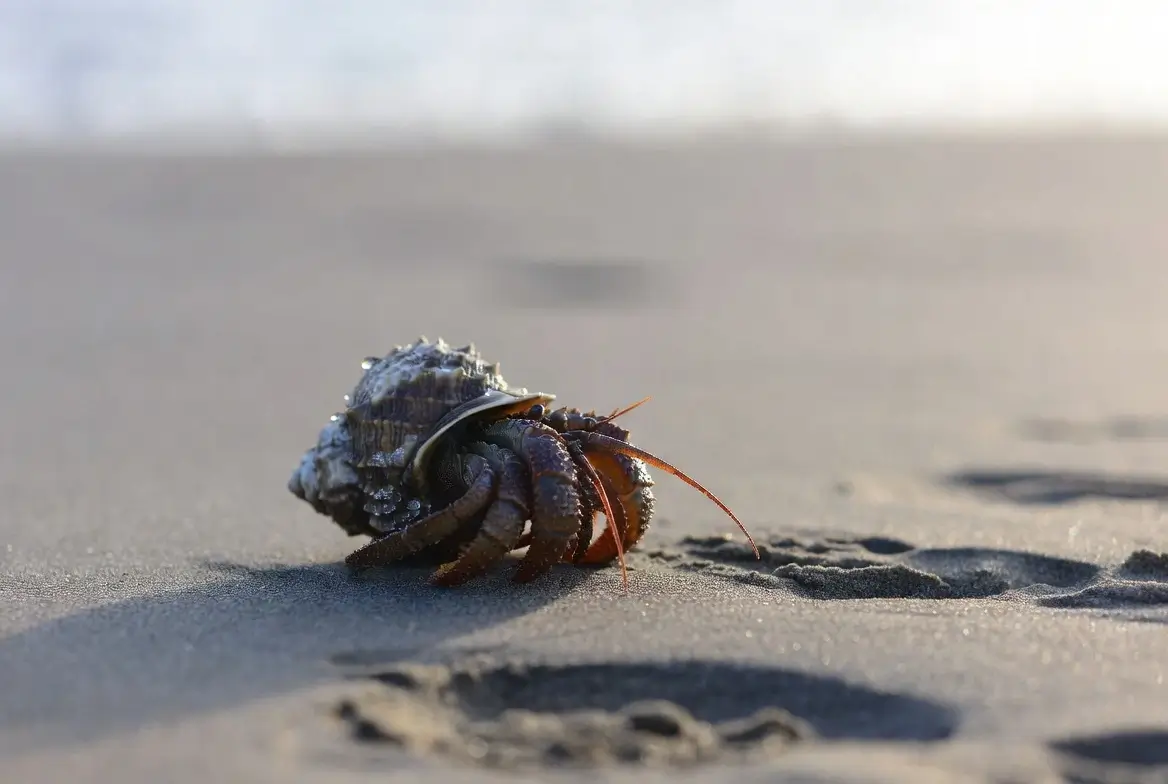
How to Feed Hermit Crabs: Schedule, Amount & Tips
Feed your hermit crabs once a day, in the evening, with about a pea-sized amount of food per crab. Offer a mix of protein, fruit, vegetables, and calcium – and switch it up every night so they get variety. That is the short answer. But there is a lot more to feeding hermit crabs well, and getting the details right makes a real difference in how healthy, active, and colorful your crabs are. This guide covers exactly when, how much, what to rotate, and the mistakes to avoid.
When to Feed
Hermit crabs are nocturnal, so they eat at night. The best time to put food in the tank is around sunset or early evening. Most crabs start looking for food between 8 PM and 10 PM. Place fresh food in the dish each evening and remove any leftovers the next morning. This keeps the tank clean and prevents mold from building up. If you notice the food is completely gone by morning, you can offer a little more the next night. If it is barely touched, offer less or try something different.
Bonus: What Vegetables Can Hermit Crabs Eat
How Much to Feed
Hermit crabs eat very small amounts. A good starting point is about 1/4 to 1/2 teaspoon of food per 2 crabs. That sounds tiny, but hermit crabs only eat about a pea-sized amount per sitting. They take small bites, eat slowly, and do most of their eating while you are asleep. Do not be surprised if the food looks untouched in the morning – look closely and you will often see tiny bite marks and pieces missing. Overfeeding is worse than underfeeding because leftover food can rot, grow mold, and attract mites. Start small and adjust based on what your crabs actually eat.
What a Balanced Meal Looks Like
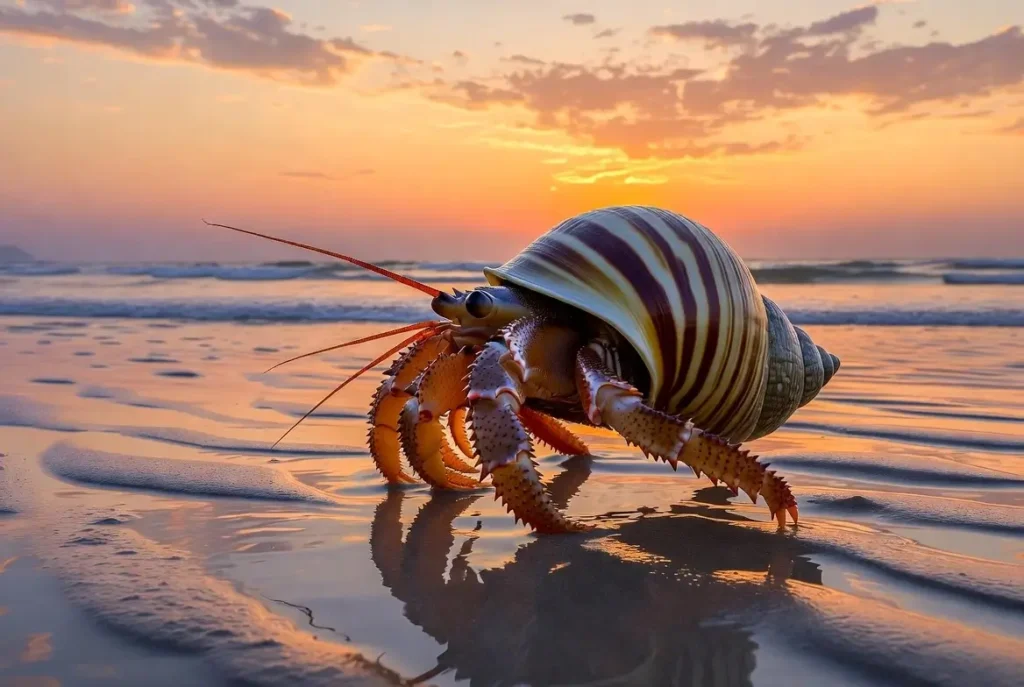
Think of each night’s meal as a tiny plate with different food groups. Here is the ideal breakdown:
| Food Group | % of Meal | Examples |
| Protein | 50% | Dried shrimp, boiled egg, bloodworms, chicken, crickets |
| Fruits & Veggies | 20% | Mango, coconut, sweet potato, spinach, carrots |
| Calcium | 15% | Cuttlebone, crushed eggshells, oyster shell |
| Healthy Fats | 10% | Coconut oil, walnuts, sunflower seeds, chia seeds |
| Extras | 5% | Leaf litter, honey, seaweed, oak bark, moss |
You do not need to measure exact percentages every night. The key idea is: protein should be the biggest part of every meal, with fruit, vegetables, and calcium offered alongside it. Keep a cuttlebone in the tank at all times so crabs can snack on calcium whenever they want.
Bonus: What Fruits Can Hermit Crabs Eat
A Simple Weekly Feeding Schedule
Here is an easy rotation you can follow. The goal is to offer something different every night:
- Monday: Dried shrimp + mango slice + crushed eggshell
- Tuesday: Boiled egg + sweet potato + coconut flakes
- Wednesday: Bloodworms + spinach + walnut pieces
- Thursday: Cooked chicken (unseasoned) + banana + seaweed
- Friday: Dried crickets + carrot + sunflower seeds
- Saturday: Shrimp + watermelon + chia seeds
- Sunday: Egg + kale + coconut oil dab + oak leaf
This is just a sample – you can mix and match however you like. The important thing is variety. Research shows hermit crabs prefer a different food every time they eat. If they ignored something one night, do not throw it out forever. Try it again in a week or two – their tastes change.
Where to Place the Food
Use a small, shallow dish made of ceramic, glass, or plastic – never metal, since hermit crabs are sensitive to metals. Place the food dish on the substrate, away from the water pools so the food stays dry. Put it near a hiding spot or climbing area where your crabs usually hang out. If you have 3 or more crabs, use two small dishes placed in different spots. This prevents one crab from guarding all the food and makes sure everyone gets a chance to eat.
7 Feeding Mistakes to Avoid
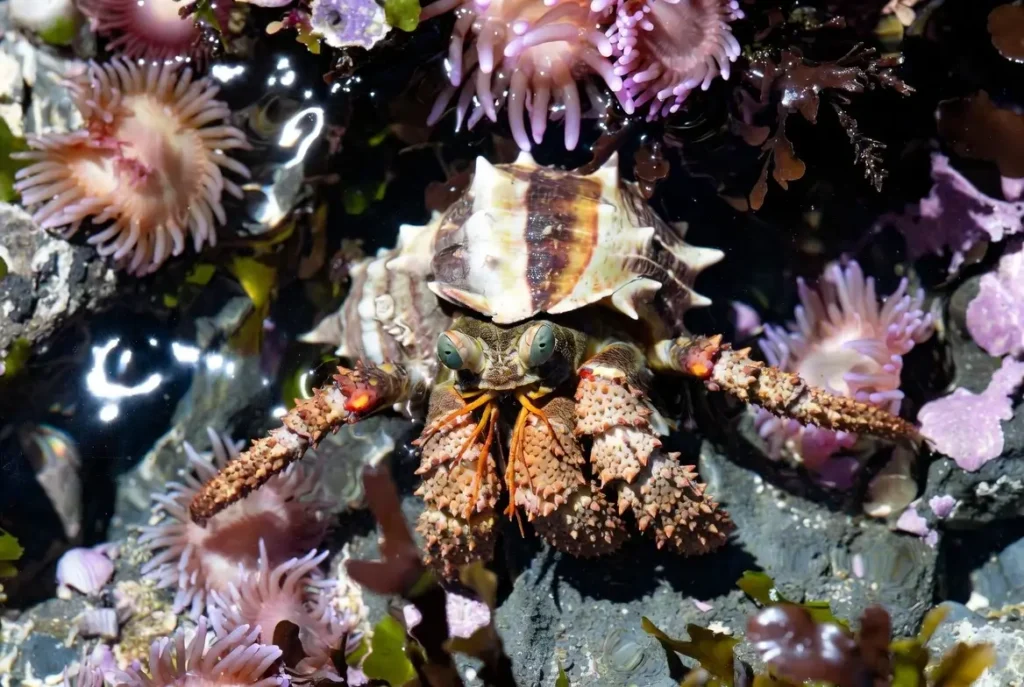
These are the most common feeding mistakes that can cause problems:
- Leaving old food in the tank. Remove leftovers every morning. Rotting food grows mold and attracts mites.
- Feeding only pellets. Commercial pellets often contain harmful preservatives. Use fresh food as the main diet and pellets only as an occasional supplement.
- Feeding the same thing every night. Crabs get bored and may stop eating. Rotate your foods daily for the best results.
- Using metal dishes. Metal can react with salt water and release harmful compounds. Stick to ceramic, glass, or plastic.
- Forgetting calcium. Crabs need calcium constantly, especially before and after molting. Keep a cuttlebone in the tank at all times.
- Washing food with tap water. Tap water contains chlorine that is harmful to crabs. Wash food with dechlorinated water or use organic produce.
- Panicking when they stop eating. Hermit crabs sometimes go days without eating, especially before a molt. As long as conditions are good, this is normal.
Bonus: What Do Hermit Crabs Like?
What About During Molting?
A molting crab buries itself underground and may not eat for 2 weeks to 3 months depending on its size. This is completely normal. Do not dig it up. Do not try to feed it. The crab eats its own shed exoskeleton during this time, which provides calcium and nutrients it needs to harden its new skin. Keep offering food in the dish as normal for your other crabs, and the molting crab will come back up and start eating again when it is ready.
Conclusion:
Feed your hermit crabs once a day in the evening, about a pea-sized amount per crab, with protein as the main dish plus fruit, vegetables, and calcium on the side. Rotate your foods daily and remove leftovers every morning. Keep a cuttlebone in the tank at all times. Once you get into the routine, feeding takes less than a minute a day – and watching your crabs discover their dinner each night is one of the best parts of keeping them.
(FAQs):
A: Most adult hermit crabs eat once a day at night. They take small bites and eat slowly, so it may look like they are not eating much. But check for tiny bite marks in the morning.
A: Hermit crabs will not eat more than they need, so overeating is not the problem. But leftover food that sits in the tank can rot, grow mold, and attract pests. Offer small amounts and remove leftovers daily.
A: Not right away. Hermit crabs can go several days without eating, especially before or after a molt. Try switching the food to something different. If the crab has not eaten for over a week and is not molting, check your temperature and humidity – poor tank conditions are the most common reason crabs stop eating.
https://shorturl.fm/WeSdg
https://shorturl.fm/zjmBP
https://shorturl.fm/yD6bN
https://shorturl.fm/zXF80
https://shorturl.fm/mlxfI
https://shorturl.fm/SlC9R
https://shorturl.fm/uQz58
https://shorturl.fm/7pwRw
https://shorturl.fm/bpx76
https://shorturl.fm/BHTyr
https://shorturl.fm/mUvx0
https://shorturl.fm/ZuwMx
https://pesnimp3.net/1.html
https://shorturl.fm/WjXns
https://shorturl.fm/nRT2H