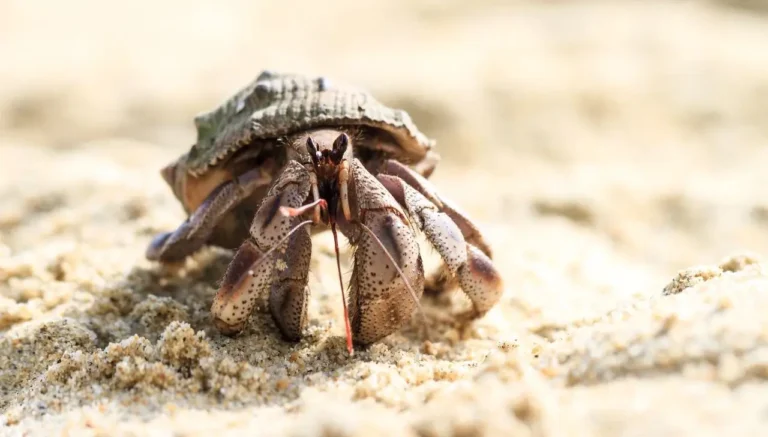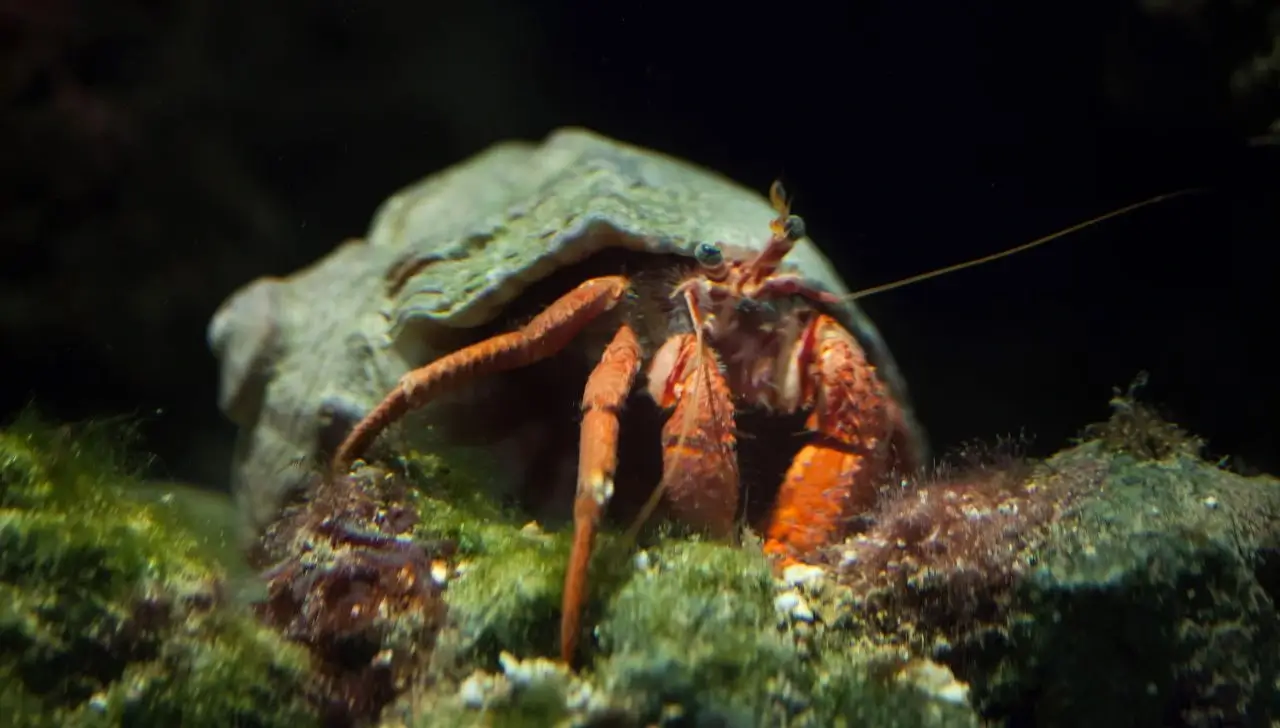
Are Hermit Crabs Actually Crabs? [They Made King Crabs]
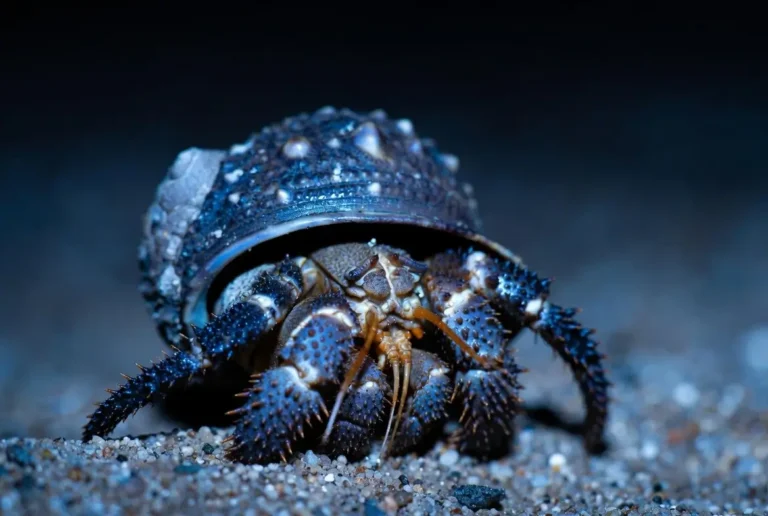
No, hermit crabs are not true crabs. They sit on a separate branch of the family tree that scientists nickname the false crabs, alongside squat lobsters and porcelain crabs.
The stranger part is what came out of that branch. Genetic work suggests the king crab on a restaurant menu descends from hermit crab ancestors.
What Hermit Crabs Really Are?
Hermit crabs are crustaceans, the same broad group as crabs, lobsters, shrimp, and crayfish. That part of the name fits.
Within it, the split runs deep. True crabs belong to Brachyura, a group with over 7,600 living species. Hermit crabs belong to Anomura, the false crabs.
The two are sister groups, which makes them close cousins with a very old separation. On the hermit crab side you also find squat lobsters, porcelain crabs, king crabs, and mole crabs.
True Crabs vs Hermit Crabs:
| Feature | True crab | Hermit crab |
|---|---|---|
| Group | Brachyura | Anomura |
| Abdomen | Hard, tucked under | Soft, curled, exposed |
| Shell | Grows its own | Borrows a snail shell |
| Visible legs | 10 | Usually 8 |
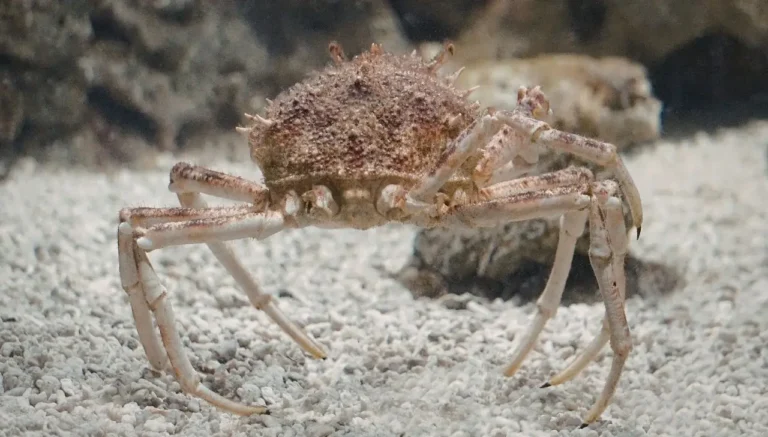
| Body shape | Wide and flat | Long, lobster-like |
Why Hermit Crabs Are Different:
Four things separate them from real crabs.
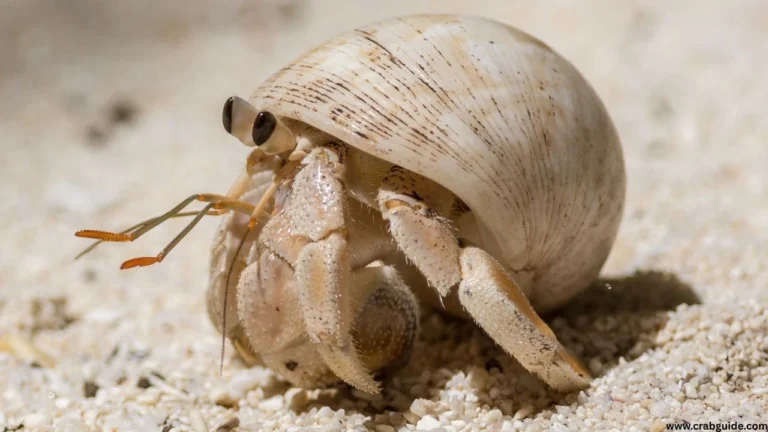
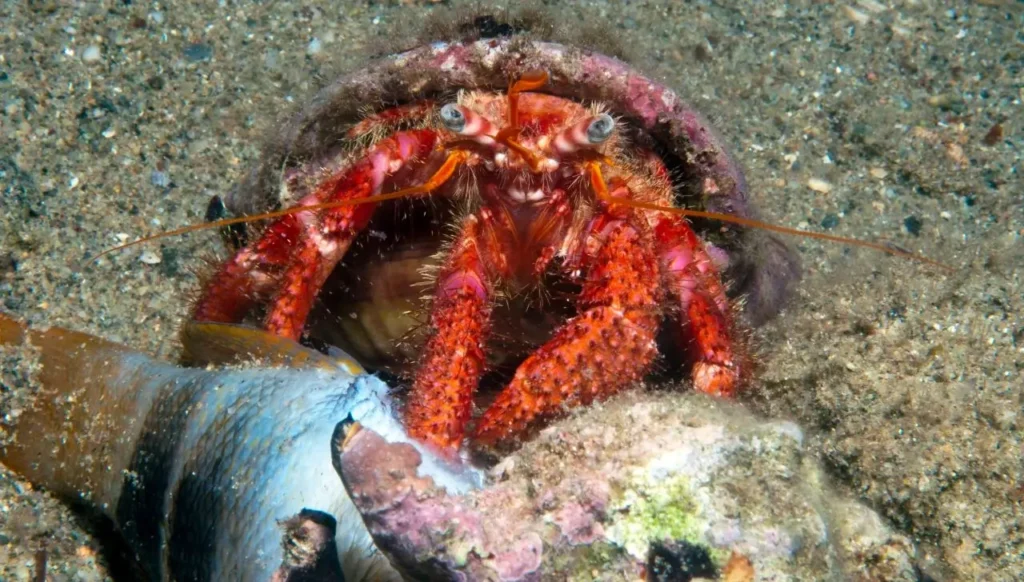
- A soft curled abdomen. True crabs have a hard abdomen folded flat underneath. A hermit crab’s is soft and spiral, which is why it needs a shell at all. This is the single biggest difference.
- Borrowed housing. Real crabs grow their own armor. Hermit crabs move into empty snail shells and trade up as they grow.
- Hidden legs. Both have 10 legs. Hermit crabs keep the last pair small and tucked inside the shell for cleaning their gills, so usually only 8 show.
- A lobster-like body. Pull one from its shell and the long curved body looks far more like a lobster than a flat round crab.
Why Hermit Crabs Look Crabby:
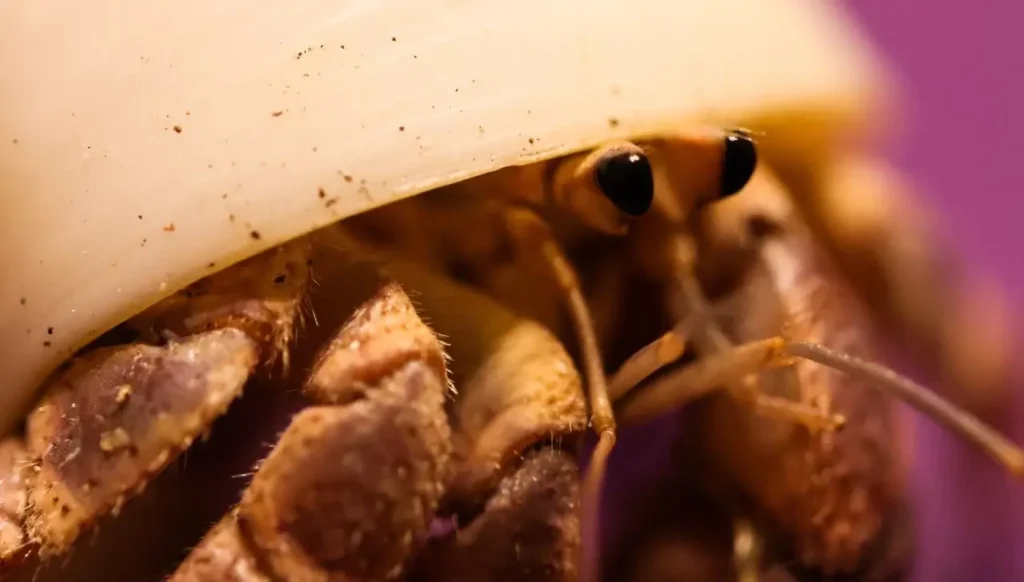
This is where it gets strange. The crab shape has evolved independently, over and over, in animals that were never crabs. Scientists call it carcinization.
The shape simply works. A low, wide, flat body moves sideways easily and tucks into crevices, so evolution keeps arriving at it.
Within the false crabs alone, it happened separately in porcelain crabs, hairy stone crabs, and king crabs. True crabs, by contrast, appear to have been crab-shaped from the start.
What Hermit Crabs Are Related To:
Here is the finding that flips the usual story. A 2011 phylogenetic study found hermit crabs have a single origin, and that almost every other major body form in Anomura came from within the hermit crabs.
So squat lobsters and king crabs are not really cousins standing beside hermit crabs. They are descendants. The hermit to king hypothesis, first supported by genetic work in 1992, places king crabs inside the hermit crab family tree.
The coconut crab did the same thing on land, growing so large it abandoned shells entirely. See hermit crab vs coconut crab for that comparison.
How to Spot a False Crab:
Count the visible legs. A true crab shows 10, claws included.
A false crab like a hermit crab usually shows only 8, because the last pair is shrunken and hidden. Eight visible legs almost always means you are looking at a false crab.
Conclusion:
Hermit crabs are not true crabs. They are false crabs, sharing a branch with squat lobsters, and their soft spiral abdomen is the giveaway.
The twist is that this branch is not a dead end. Most crab-like forms in Anomura, king crabs included, trace back to hermit crab ancestors. Evolution did not build hermit crabs from crabs. It built crabs out of hermit crabs.
(FAQs):
A: Yes. They belong to the same broad group as crabs, lobsters, and shrimp. They are just not true crabs, sitting instead in Anomura.
A: No. King crabs are false crabs in the family Lithodidae, and molecular evidence places them as descendants of asymmetrical hermit crabs
A: Neither cleanly. Their body shape resembles a lobster, but Anomura is the sister group to true crabs, so the family link runs toward crabs.
A: Because of how they look. The name stuck centuries before scientists worked out the family tree, and the crab-like shape made it obvious to anyone on a beach.