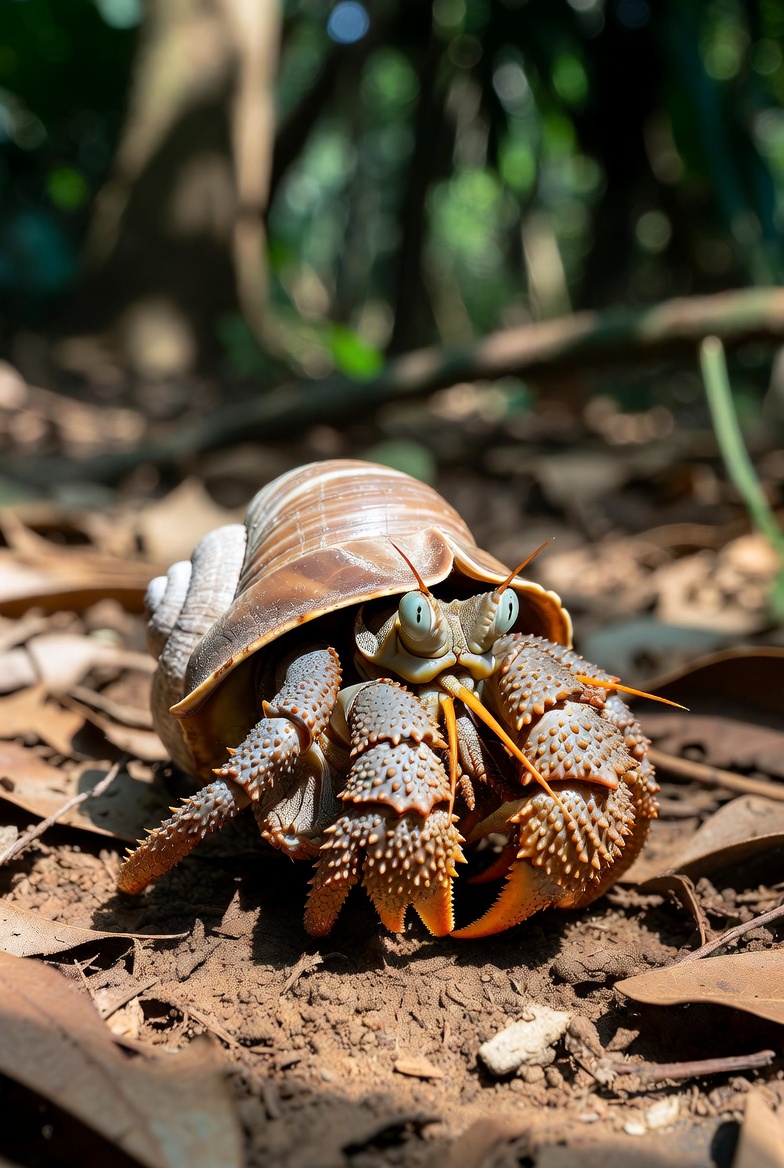
Do Hermit Crabs Have Brains? (The Surprising Science)
Yes, but not one central brain like ours. A hermit crab has a small brain in its head plus a chain of nerve clusters called ganglia running through its body, each controlling the parts nearby.
One region of that brain turned out to be far more advanced than anyone expected for a crustacean. Researchers found it matches something built into insect brains.
What a Hermit Crab Brain Is?
The brain is called the supraesophageal ganglion, a small cluster of nerve tissue in the head, sitting above the esophagus and behind the eyes.
It runs on the same parts ours does. Neurons firing electrical and chemical signals, using messengers like serotonin and dopamine.
The difference is layout. Ours is one dense organ. A hermit crab’s handles mainly the head senses and hands off most body control further down the line.
How the Nervous System Works:
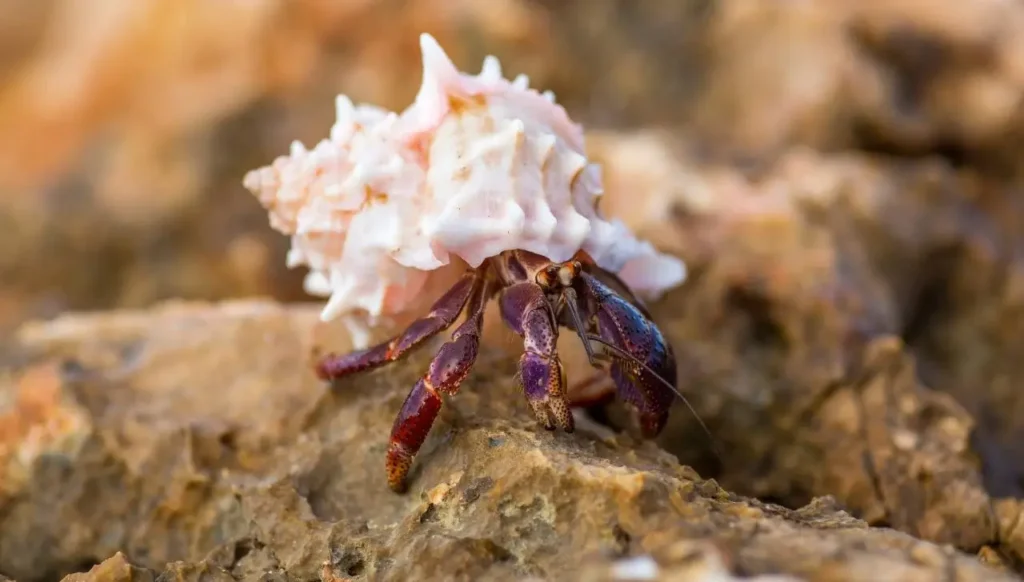
Think network of small control centers, not one boss. Three parts do the work.
- The head brain. The largest cluster, handling vision, smell, and the main senses.
- The ventral nerve cord. A double cord running along the underside, wiring everything together.
- The ganglia. Clusters spaced along that cord, each a mini brain running the legs and organs beside it.
This is why a leg reacts instantly without waiting for a signal to reach the head and come back. Local jobs stay local.
A Brain Built for Smell:
Here is the part most articles miss. Harzsch and Hansson studied the land hermit crab Coenobita clypeatus in 2008 and found its brain dominated by olfactory centers, which fits an animal that tracks food and shells by scent.
Then came the surprise. These crabs carry structures called hemiellipsoid bodies that are extremely complex by crustacean standards.
A 2012 study compared them directly to the mushroom bodies of a cockroach brain, the structures that drive learning and memory in insects. The organization matched.
The coconut crab’s brain was mapped the same way in 2010, with similar findings.
Are Hermit Crabs Intelligent?
Smarter than the shell suggests, though still understudied. Four behaviours stand out.
- Shell inspection. A crab checks size, weight, shape, and damage using eyes, legs, and antennae, then rejects what does not fit.
- Learning and memory. Shore crabs have learned maze routes and retained them for around two weeks.
- Vacancy chains. They line up by size so a vacated shell passes down the queue, each crab taking the one above its own.
- Habituation. They stop reacting to harmless repeated stimuli, which is learning at its most basic.
Hermit Crab Brain vs Human Brain:
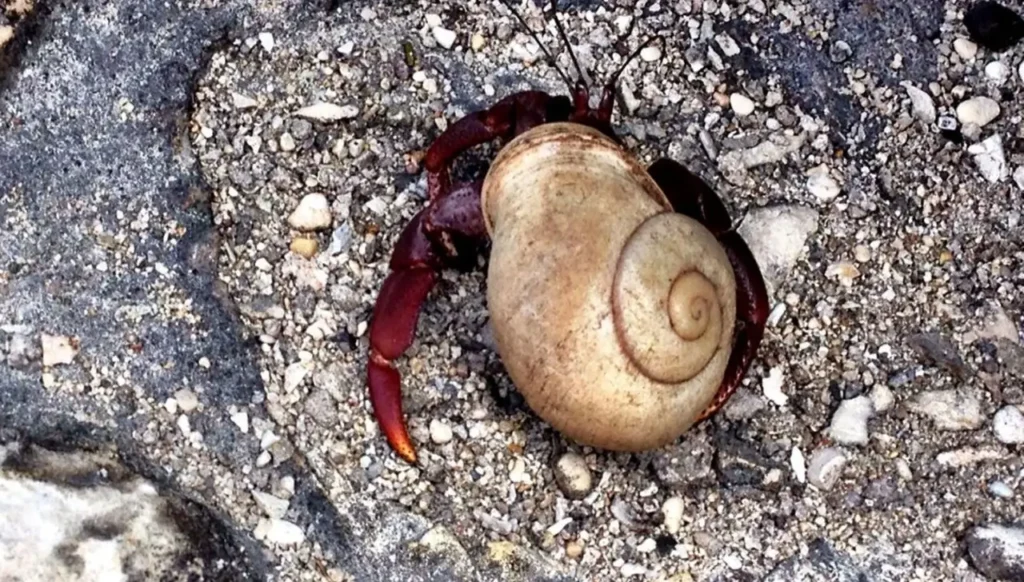
| Feature | Hermit crab | Human |
|---|---|---|
| Brain type | Decentralized | Centralized |
| Control | Brain plus ganglia | One main brain |
| Strongest sense | Smell | Sight |
| Learning center | Hemiellipsoid bodies | Cerebral cortex |
| Feels pain | Likely | Yes |
Can Hermit Crabs Feel Pain?
Yes, decades of research point strongly to it. A 2009 study by Elwood and Appel found hermit crabs weigh pain against what they’d lose before abandoning a shell, a decision, not a reflex. That evidence helped push the UK to add crabs and their relatives to its animal welfare law in 2022. See do hermit crabs have feelings for the full breakdown of that study
Conclusion:
Hermit crabs have brains, just distributed ones. A small head brain, a nerve cord, and ganglia sharing the workload.
The remarkable part is the hemiellipsoid bodies, learning structures so well developed they line up with insect brains. Small does not mean simple.
(FAQs):
A: One head brain plus multiple ganglia along the nerve cord. Each ganglion runs its own section, so control is shared rather than central.
A: Not as speech. They have no ears and pick up vibrations through the ground instead, so tapping the glass or loud music registers as disturbance.
A: Not as individuals. They can learn to associate a person with food and safety, which looks similar but works differently.
A: No evidence for it. They show clear awareness of surroundings, shell fit, and other crabs, but self-recognition has never been demonstrated.




3 Comments