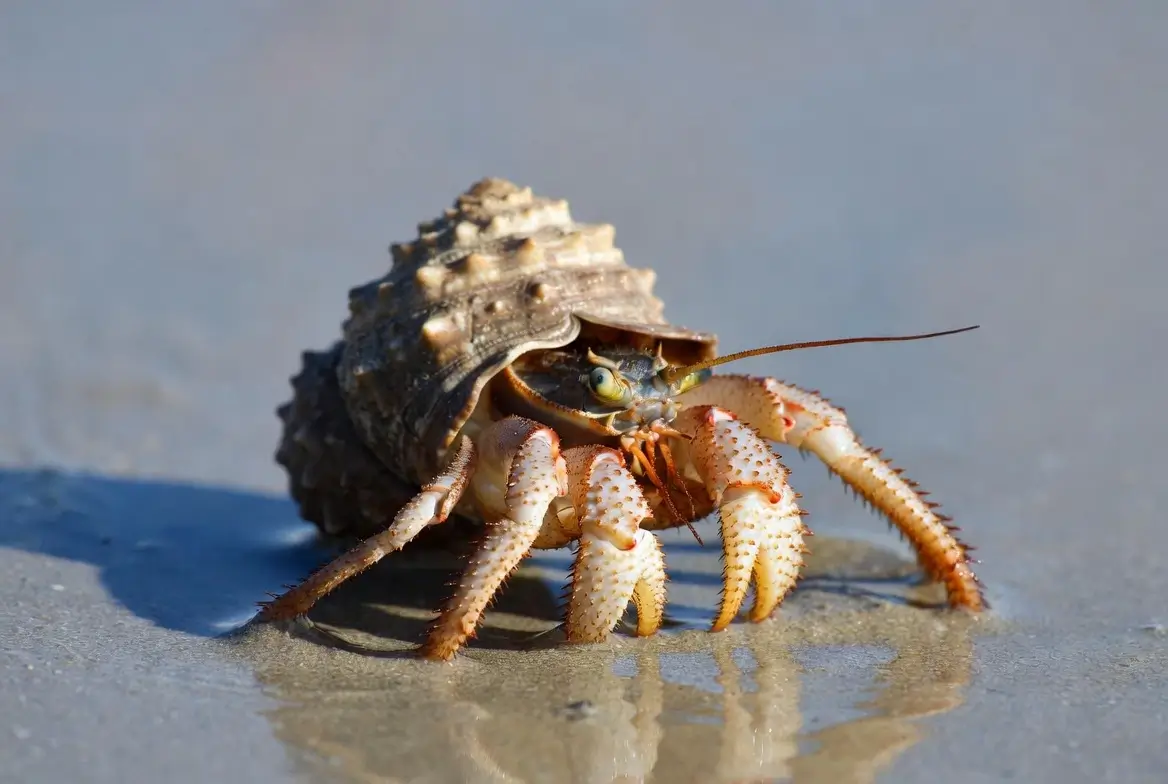
How Many Legs Does a Hermit Crab Have? (More Than You See)
If you have ever watched your hermit crab walk around the tank, you probably counted two or four legs sticking out of the shell and thought that was it. But there is a lot more going on inside that shell than you can see. A hermit crab actually has 10 legs – and each pair does something completely different. Most of them are hidden. Here is a full breakdown of what all 10 legs do and why you only ever see a few of them.
The Short Answer
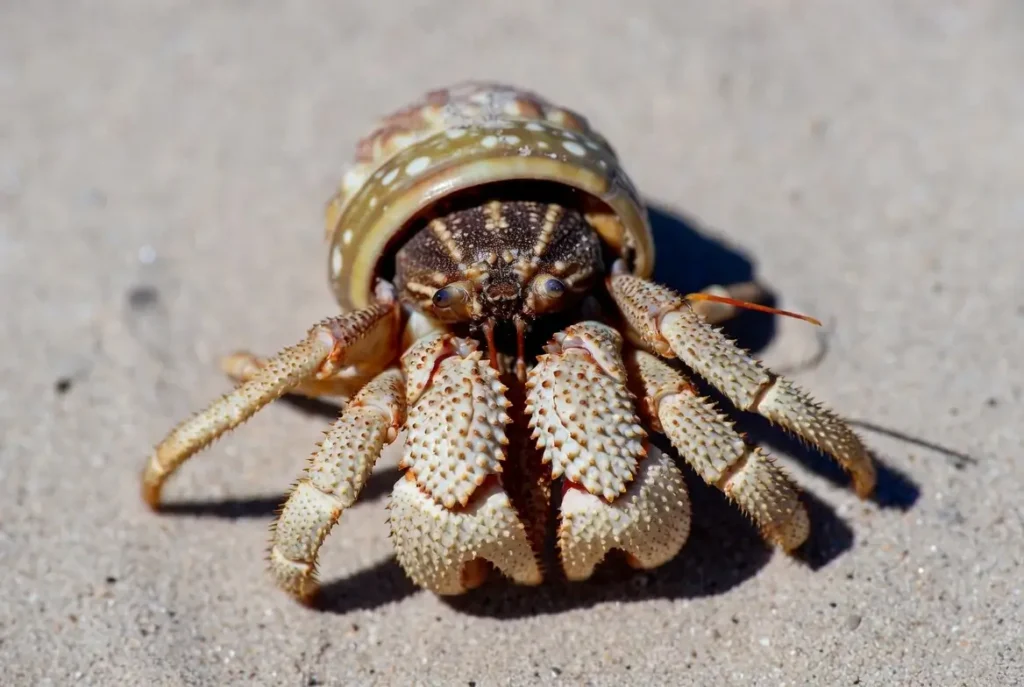
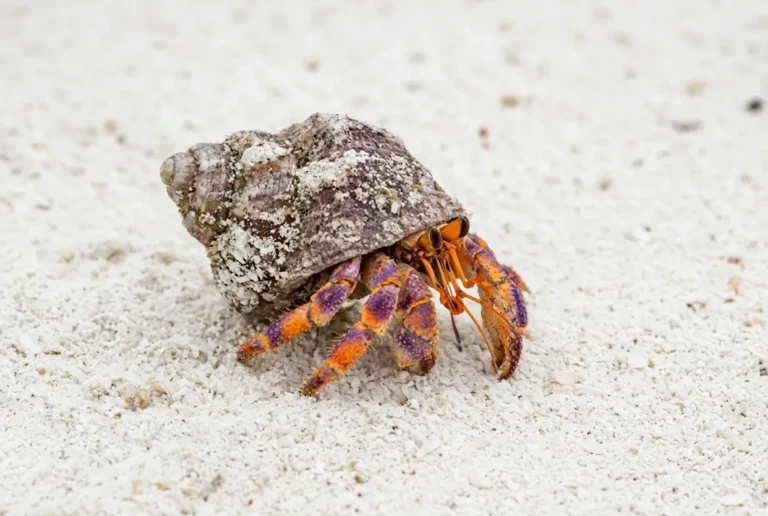
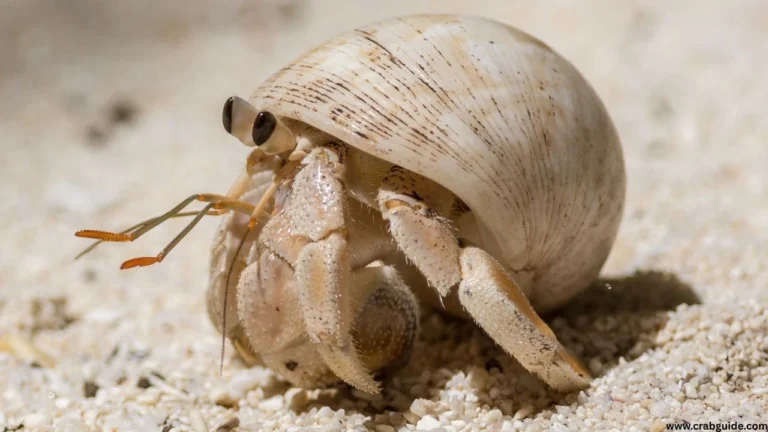
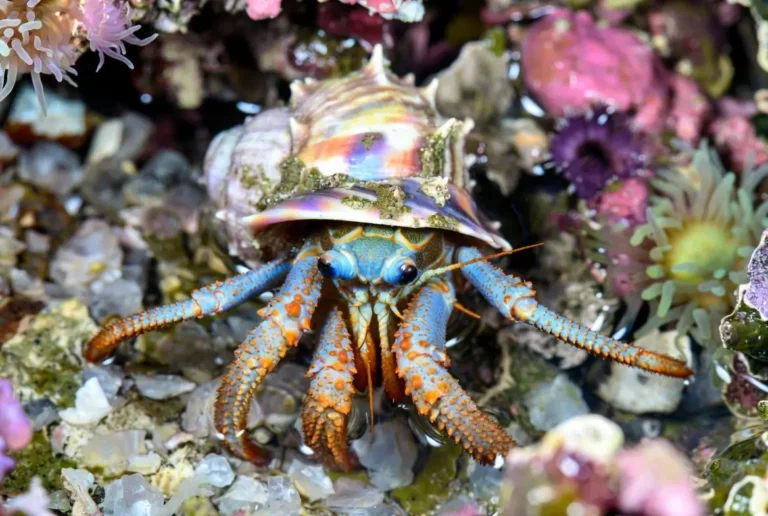
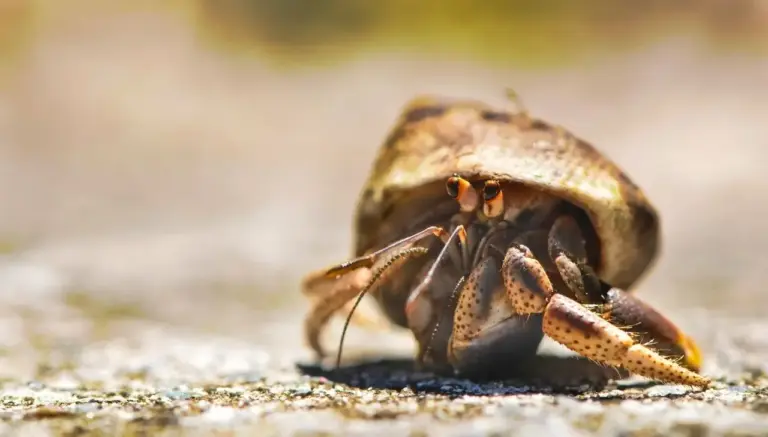
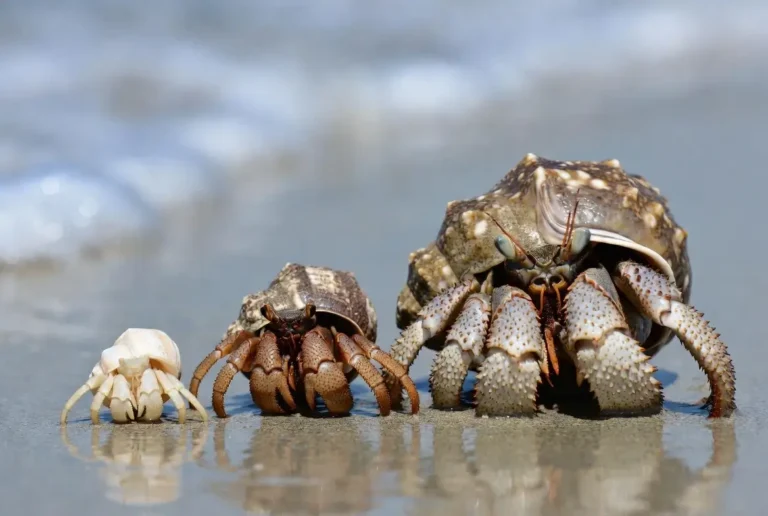
A hermit crab has 10 legs total, split into 5 pairs. The first pair are the two claws. The next two pairs are the walking legs you see sticking out of the shell. The last two pairs are small, stay hidden inside the shell, and grip the shell to keep the crab anchored inside. So, when you look at your crab, you are only seeing 6 of its 10 legs – the claws and the walking legs. The other 4 are doing important work inside where you cannot see them.
All 5 Pairs Explained
| Pair | Name | Visible? | What It Does |
| 1st pair | Claws (chelipeds) | Yes | Grabbing food, fighting, blocking the shell opening |
| 2nd pair | Walking leg 1 | Yes | Walking, climbing, sensing food |
| 3rd pair | Walking leg 2 | Yes | Walking and climbing |
| 4th pair | Shell grip leg | No (hidden) | Holds onto the shell from inside |
| 5th pair | Shell anchor leg | No (hidden) | Grips the inner spiral of the shell |
This is why hermit crabs are called decapods – the word literally means “ten feet” in Greek. All crabs, lobsters, and shrimp are decapods, and they all have 10 legs. Hermit crabs just hide half of theirs.
Pair 1: The Claws
The first pair of legs are the claws, also called chelipeds. One claw is much bigger than the other. The big claw (usually the left one) defends, fights, climbs, and blocks the shell opening like a door when the crab hides inside. The smaller claw (usually the right) picks up food and brings it to the mouth. If your crab loses a claw, it can grow it back during its next molt, though the new claw will start out smaller than the original.
Pairs 2 and 3: The Walking Legs
The next two pairs are the walking legs – the ones you see poking out of the shell when your crab moves around. These are thinner than the claws and are used for walking, climbing, and feeling around. The front pair of walking legs also helps the crab sense its surroundings and detect food by touch. If you watch your crab closely at night, you will see these legs moving quickly as it explores, climbs the tank walls, and investigates anything new in its path.
Pairs 4 and 5: The Hidden Shell-Gripping Legs
This is the part most people do not know about. The last two pairs of legs are small and stay hidden inside the shell at all times. Their only job is to hold onto the shell. The fourth pair presses against the inside walls of the shell to keep it steady while the crab walks. The fifth pair – the smallest legs of all – has tiny hooks at the tips that grip the inner spiral of the shell, locking the crab in place.
These hidden legs grip so tightly that a hermit crab would rather let itself be torn apart than let go. This is why you should never force a hermit crab out of its shell. Those little hidden legs exist for one purpose – to hold on for dear life.
Other Parts That Look Like Legs (But Aren’t)
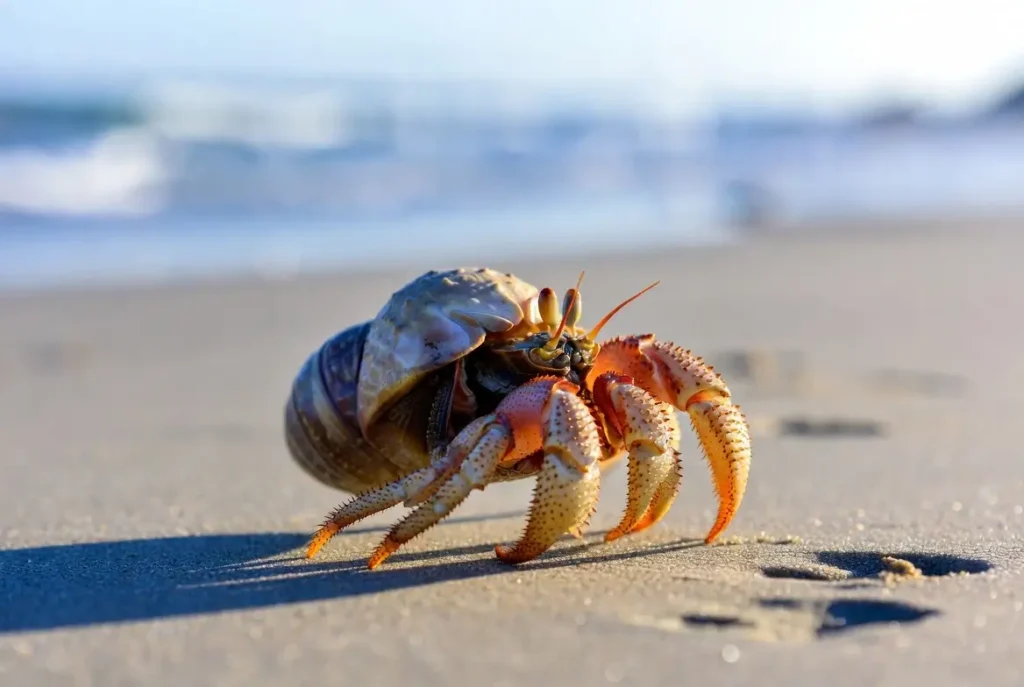
Besides the 10 true legs, hermit crabs have a few other parts that can be confusing:
- Antennae. The two long feelers on the crab’s head are not legs. They are used for touching and sensing the environment. The shorter pair behind them are used for smell and taste.
- Maxillipeds. These are tiny arm-like parts around the crab’s mouth. They help tear apart food and move it into the mouth. They might look like small legs, but they are actually mouth parts.
- Pleopods. Small feathery parts on the female’s belly used to carry eggs. They are hidden inside the shell and are not used for walking.
- Uropods. Tiny hooks at the very tip of the tail that help anchor the crab into the shell. They work with the 5th pair of legs to keep the crab locked in.
Can Hermit Crabs Regrow Lost Legs?
Yes. If a hermit crab loses a leg or a claw – from a fight, stress, or an accident – it can grow it back during its next molt. The new leg starts out smaller and lighter in color, but after one or two more molts it usually returns to full size. This is called regeneration, and it is one of the coolest things about crabs. If your crab has dropped a leg, make sure the tank conditions are right (warm, humid, deep substrate) so it can molt safely and start regrowing.
Conclusion:
A hermit crab has 10 legs – 2 claws, 4 walking legs, and 4 small hidden legs inside the shell. The hidden ones grip the shell so tightly that the crab would rather be torn apart than let go. You only see 6 legs from the outside, but all 10 are working together every time your crab walks, climbs, eats, or hides. Now you know what is really going on inside that shell.
FAQs:
A: 10. All hermit crabs have 5 pairs of legs (10 total). You only see 6 of them – the 2 claws and 4 walking legs. The other 4 are hidden inside the shell.
A: You are seeing the 2 walking leg pairs. The claws may be tucked in, and the last 2 pairs are always hidden inside the shell. If you count the claws, you can see 6 legs total from the outside
A: It can regrow the leg during its next molt. Keep the tank warm, humid, and with deep substrate so the crab can molt safely. The new leg will be small at first but grows back to full size over one or two more molts.
https://shorturl.fm/Vbn9X
https://shorturl.fm/3p8uI
https://shorturl.fm/2EEWR
https://shorturl.fm/QW31j
https://shorturl.fm/bBZ3P
https://shorturl.fm/PBDDK
https://shorturl.fm/rEmAe