What Do Saltwater Hermit Crabs Eat? (Reef Tank Guide)
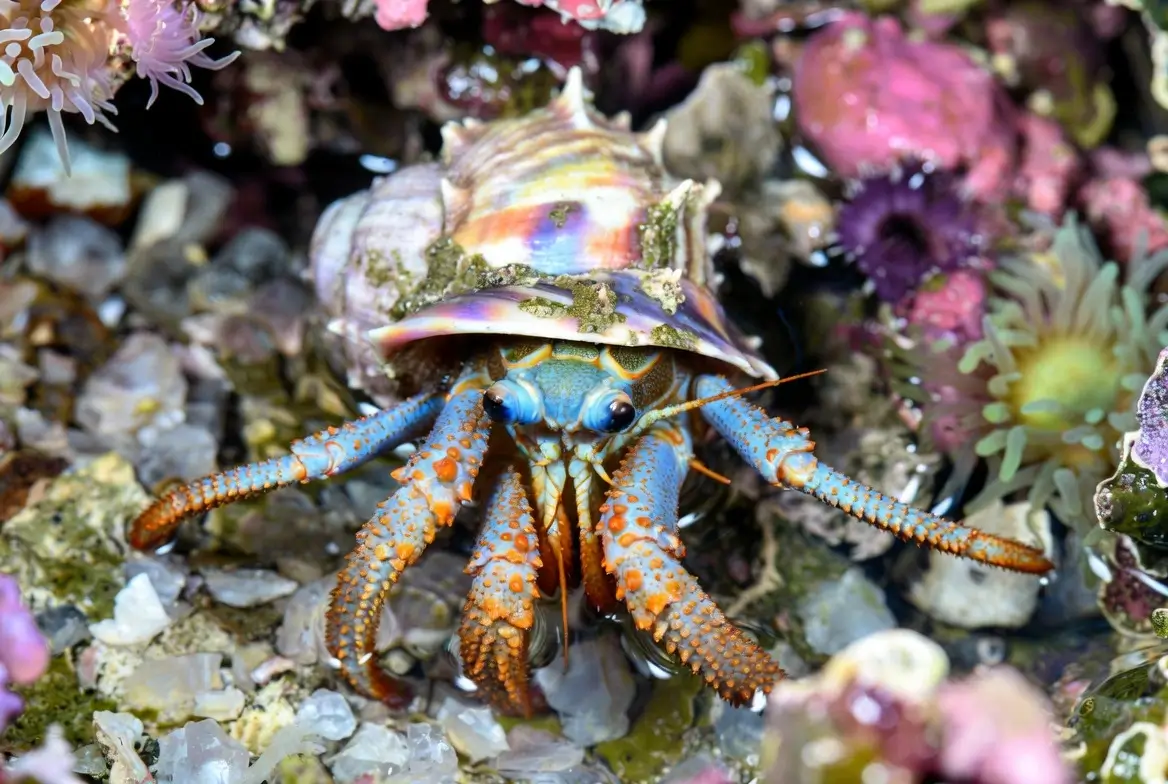
Saltwater hermit crabs eat algae, seaweed, leftover fish food, detritus, mysis shrimp, brine shrimp, nori, bristleworms, and pretty much anything else they find on the ocean floor. They are true scavengers – nature’s cleanup crew. In a reef tank, they spend most of their time grazing algae off rocks and glass, picking through the sand for scraps, and keeping things tidy. This guide covers what they eat in the wild, what to feed them in your tank, how often to feed, and the important differences between feeding marine hermit crabs and land hermit crabs.
What They Eat in the Wild
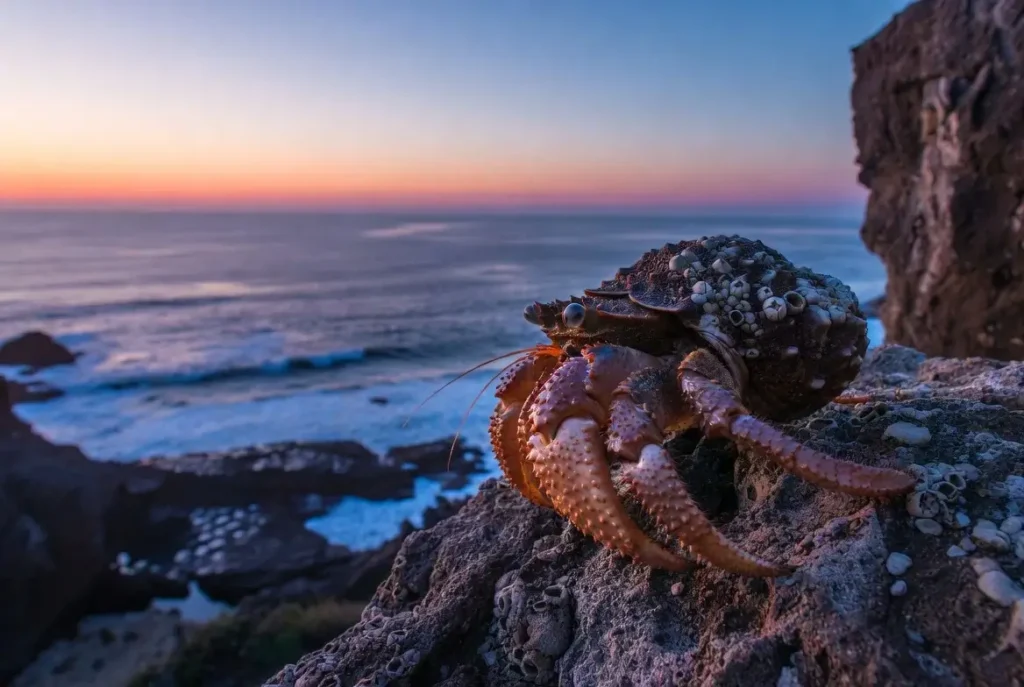
In the ocean, marine hermit crabs are opportunistic omnivores – they eat whatever they can find. Their diet in the wild includes:
- Algae. Green algae, hair algae, and film algae are their main food source. They spend hours grazing on algae that grows on rocks, coral, and the ocean floor.
- Detritus. Dead plant matter, fish waste, and decaying organic material. This is their role in the ecosystem – they clean up what other animals leave behind.
- Dead fish and animals. Hermit crabs are scavengers, not hunters. When a fish, snail, or other animal dies, hermit crabs are often the first to find it and start eating. Their sense of smell is incredibly sharp.
- Small invertebrates. Bristleworms, copepods, tiny crustaceans, and larvae. Some larger species will also eat small live snails – which is why shell supply matters.
- Seaweed and marine plants. Many species graze on seaweed and macroalgae in addition to the microalgae that coats surfaces.
- Plankton and microorganisms. Tiny organisms in the water and sand that they pick up while foraging across the substrate.
Bonus: What Fruits Can Hermit Crabs Eat?
What to Feed in a Reef Tank
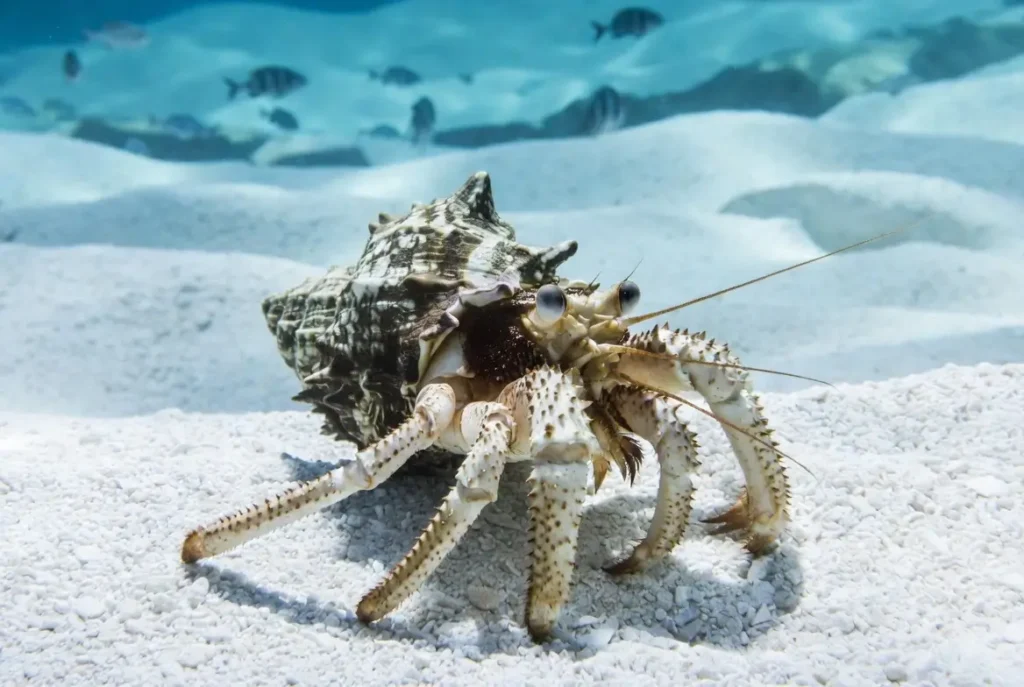
In a well-established reef tank with healthy algae growth, your hermit crabs will find most of their food on their own. They graze on algae, pick through detritus in the sand, and eat leftover food that sinks to the bottom after fish feeding time. This is exactly why they are called the cleanup crew – they keep your tank cleaner by eating what other animals leave behind.
But natural grazing alone is not always enough, especially in newer tanks or tanks with fewer fish. Supplement their diet with these foods:
| Plant-Based Foods | Protein Foods | Supplements |
| Dried nori (seaweed) | Frozen mysis shrimp | Algae wafers |
| Spirulina flakes | Frozen brine shrimp | Sinking pellets |
| Blanched spinach | Freeze-dried krill | Calcium supplements |
| Marine macroalgae | Frozen bloodworms | Cuttlebone pieces |
| Chopped grape caulerpa | Leftover fish food | Crushed coral |
Pro tip: Nori (dried seaweed sheets) is the easiest and cheapest supplement you can offer. Clip a small piece to a rock or use a veggie clip. Your crabs will go straight for it. You can find nori at any grocery store in the sushi section – just make sure it is unseasoned and unflavored.
How Often to Feed
In a mature reef tank with plenty of algae and regular fish feedings, your hermit crabs may not need any extra food at all. They will eat the algae and leftover fish food naturally. But if your tank is new, has low algae growth, or has a large cleanup crew, supplement their diet 2 to 3 times per week. Drop a small piece of nori, an algae wafer, or some frozen shrimp near the crabs in the evening. Remove any uneaten food within a few hours to prevent it from affecting your water quality. Overfeeding is one of the fastest ways to cause water problems in a saltwater tank.
Bonus: What Vegetables Can Hermit Crabs Eat?
Signs They Are Not Getting Enough Food
Marine hermit crabs that are not eating enough will start showing these signs:
- Attacking snails. This is the biggest red flag. Hermit crabs attack snails for two reasons – hunger and shell shortage. If you see this, start supplementing their diet and make sure you have plenty of spare empty shells in the tank.
- Fighting more often. Hungry crabs fight over food and shells more aggressively. If your crabs are suddenly battling all the time, they may need more to eat.
- Eating coral. Some hermit crab species will start nibbling on coral when they cannot find enough food. This is a sign to add supplemental feeding right away.
- Moving slowly or hiding. A well-fed crab is active and constantly grazing. A crab that barely moves or stays hidden may not be finding enough food on its own.
How Is This Different from Land Hermit Crab Diet?
If you have kept land hermit crabs before, the feeding approach for marine hermit crabs is quite different:
- Marine crabs feed themselves in a reef tank. Land hermit crabs need you to put fresh food in the dish every night. Marine crabs graze naturally on algae and detritus in the tank and only need supplements a few times a week.
- No fresh fruit or vegetables (mostly). Land hermit crabs love mango, banana, and sweet potato. Marine crabs eat seaweed, algae, and marine protein instead. You can offer blanched spinach or nori, but tropical fruits do not belong in a saltwater tank.
- Water quality matters more. In a land crab tank, leftover food just needs to be removed in the morning. In a saltwater tank, uneaten food can spike ammonia and nitrates within hours. Feed small amounts and remove leftovers quickly.
- Calcium works differently. Land crabs eat cuttlebone directly. Marine crabs absorb most of their calcium from the saltwater itself. You can still add cuttlebone to a marine tank – it dissolves slowly and helps keep calcium levels up – but the water chemistry does the heavy lifting.
Bonus: How to Feed Hermit Crabs
Best Species for Eating Algae
Not all marine hermit crabs eat the same things. If you want the best algae eaters for your cleanup crew, these are the top picks:
- Blue leg hermit crab. The most popular reef tank hermit. Great at eating green algae and hair algae. Small, peaceful, and affordable.
- Scarlet reef hermit crab. Excellent algae grazer and less aggressive than most species. Stays small and is very reef safe.
- Dwarf zebra hermit crab. Eats algae, detritus, and leftover food. Peaceful and works well in nano tanks.
- Left-handed hermit crab. Feeds on hair algae and cyanobacteria. One of the few species that actually eats cyano.
Conclusion:
Saltwater hermit crabs eat algae, detritus, leftover food, seaweed, and small invertebrates. In a healthy reef tank, they find most of their food naturally – that is their whole job as the cleanup crew. Supplement with nori, algae wafers, or frozen shrimp 2 to 3 times per week if natural food runs low. Watch for snail attacks and coral nibbling as signs they need more food. Feed them well and they will keep your tank cleaner, healthier, and looking great.
Frequently Asked Questions
A: Yes – algae is their primary food source. They graze on green algae, hair algae, and film algae constantly. However, most species will not eat diatoms, dinoflagellates, or cyanobacteria.
A: They do not hunt live fish. But they will absolutely eat a dead fish. If you see a hermit crab eating a fish, the fish almost certainly died first and the crab found the body. Their sense of smell leads them to dead animals quickly.
A: In a mature, well-stocked reef tank with regular fish feedings and good algae growth, yes – many keepers never directly feed their hermit crabs. But if you notice them attacking snails, eating coral, or fighting more than usual, start supplementing 2 to 3 times per week with nori, algae wafers, or frozen shrimp.


https://shorturl.fm/zZIyn
https://shorturl.fm/wib75
https://shorturl.fm/PJxQz
https://shorturl.fm/JD0QU
https://shorturl.fm/gApuh
https://shorturl.fm/Hhpc2
https://shorturl.fm/vWq1f
https://shorturl.fm/Dm85B
https://shorturl.fm/yNncR
https://shorturl.fm/DYB9g
https://shorturl.fm/dYkBB
https://shorturl.fm/0fQ6n
https://shorturl.fm/nCkju
https://shorturl.fm/DDuij
https://shorturl.fm/l7R3v