How Long Can Hermit Crabs Live Without Food?
A healthy adult hermit crab can live about 2 to 3 weeks without food as long as it still has water and a safe, humid environment. Hermit crabs have a slow metabolism, so they handle short fasts well – especially during molting, when they may not eat for weeks. But water matters far more than food. A crab can go weeks without eating, but only 24 to 48 hours without water. This guide breaks down exactly how long hermit crabs can survive without food, water, salt water, and even a shell – plus how to keep yours healthy.
How Long Can Hermit Crabs Go Without Food?
A healthy adult hermit crab can survive 2 to 3 weeks without food if it has access to water and a proper habitat. Their slow metabolism lets them coast through short fasts without harm. In fact, during molting, a crab can go several weeks to a few months without eating regular food – it eats its own shed exoskeleton instead, which gives it the calcium and nutrients it needs. That said, prolonged fasting weakens their immune system and leaves them open to stress and disease. So while they can survive a couple of weeks without food, they should not have to.
How Long Can a Hermit Crab Go Without Water?
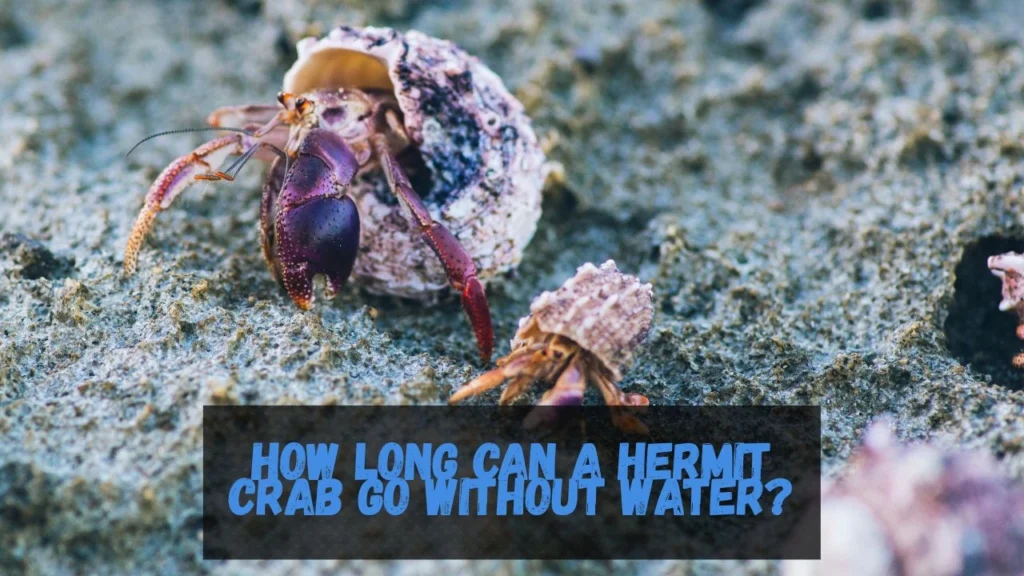
Water is far more important than food. Without any water at all, a hermit crab can survive only 24 to 48 hours. Hermit crabs breathe through modified gills that must stay moist. When they have no water and the air is dry, their gills dry out and they slowly suffocate. This is why a tank with proper humidity (70% to 80%) and two water dishes is non-negotiable. Dehydration kills hermit crabs faster than almost anything else.
How Long Can Hermit Crabs Live Without Salt Water?
Hermit crabs need both fresh water and salt water to stay healthy. Salt water helps them balance their body chemistry and keep their gills working. Without salt water, a crab can usually hold on for a few days to a week, depending on humidity and temperature, but its health declines over time. Always offer a separate salt water dish made with marine-grade aquarium salt – never table salt, which contains iodine and anti-caking agents that are toxic to crabs.
How Long Can a Hermit Crab Live Without a Shell?
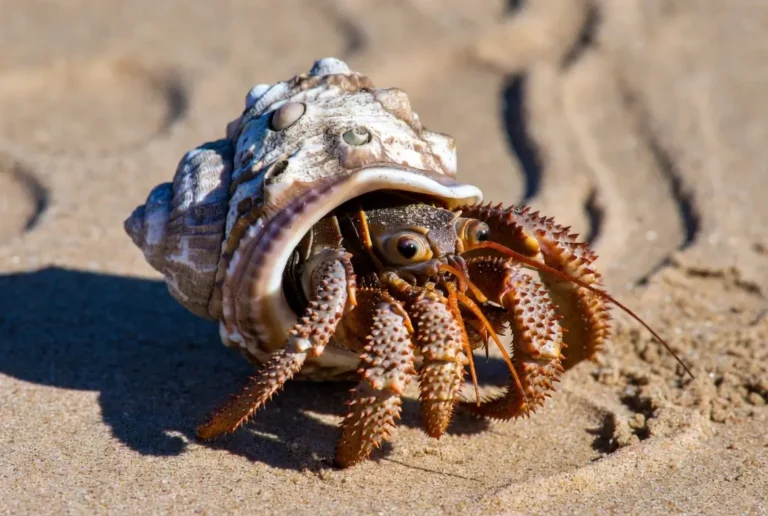
Not long at all. A shell protects a hermit crab’s soft, exposed abdomen and helps it hold moisture. Without one, a crab is extremely vulnerable to stress, dehydration, and injury. A crab left without a shell may only last a few hours to a couple of days before the stress becomes fatal. Always keep at least 3 to 5 spare shells per crab in the tank, in the right sizes, so a crab is never left without a home.
How to Keep Hermit Crabs Healthy and Safe
To help your hermit crabs thrive for the long haul:
- Offer fresh food daily. Put fresh food in each evening and remove leftovers in the morning to prevent mold.
- Keep two water dishes. One dechlorinated fresh water and one marine-grade salt water, both deep enough to submerge with an easy climb-out.
- Provide spare shells. Keep 3 to 5 natural, unpainted shells per crab so they can switch as they grow.
- Maintain humidity and temperature. Keep humidity at 70% to 80% and temperature between 75°F and 85°F.
- Minimize stress. Avoid excessive handling, loud noises, and sudden tank changes.
Conclusion
A hermit crab can live 2 to 3 weeks without food, but only 24 to 48 hours without water. Water, salt water, and a proper shell matter even more than food for day-to-day survival. Hermit crabs are tough and forgiving, but they depend on you for the basics. Keep their food fresh, their water topped up, their shells plentiful, and their habitat warm and humid, and your crabs can live a long, healthy life of 15 to 25 years or more.
Frequently Asked Questions
A: Only 24 to 48 hours. Water keeps their gills moist so they can breathe, so hydration is critical for survival.
A: Top off both water dishes, leave dry foods like coconut and dried shrimp, and make sure humidity and temperature are stable. Crabs handle 2 to 3 days alone easily if these are in place.
A: Poor habitat conditions – mainly low humidity, wrong temperature, and lack of proper water. Dehydration and stress from bad setups cause far more deaths than lack of food.


https://shorturl.fm/Mlskv