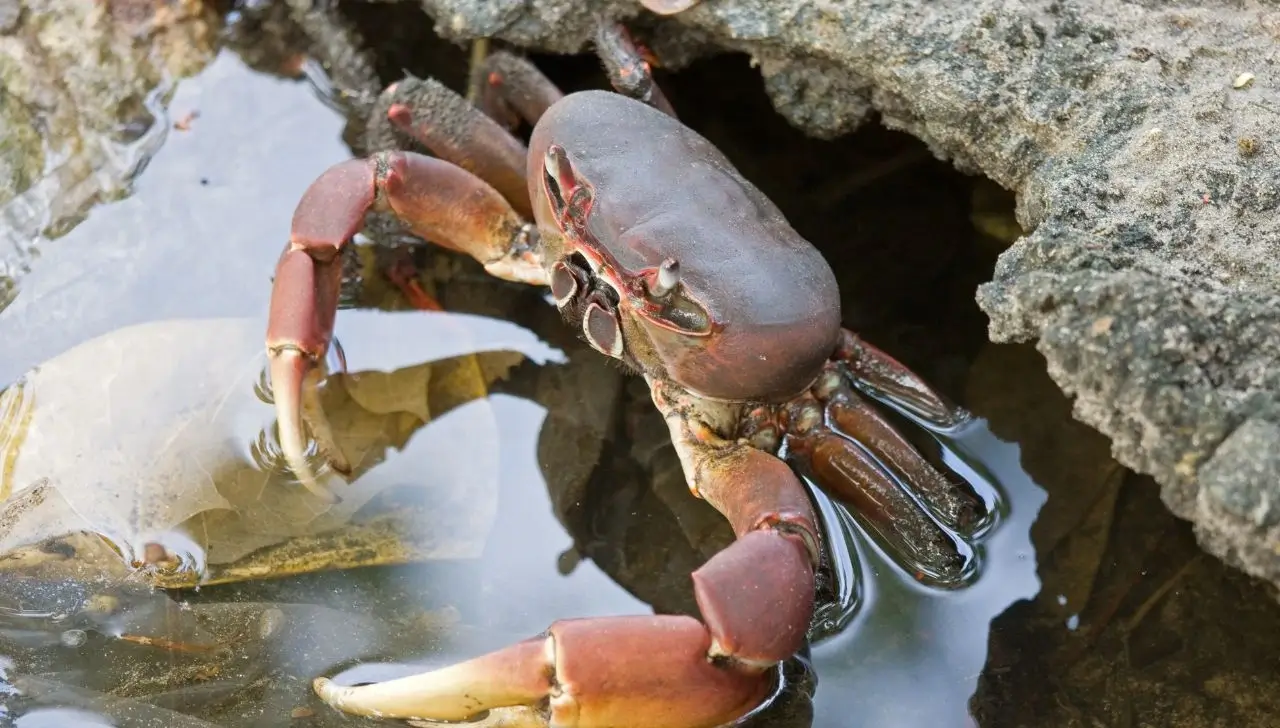
What to Feed a Hermit Crab: Full Food List + Chart
Hermit crabs eat protein, fruit, vegetables, calcium, and a little healthy fat. Think cooked shrimp, a piece of mango, some greens, and a cuttlebone.
The bigger risk is not a missing food. It is what many pet store foods quietly add.
Hermit Crab Food Chart:
Every food here is safe when served fresh and plain.
| Food group | Safe examples | How often |
|---|---|---|
| Protein | Cooked shrimp, fish, boiled egg, bloodworms, mealworms, krill | Every day |
| Fruits | Mango, coconut, apple, papaya, banana, strawberries | Most days |
| Vegetables | Carrots, kale, broccoli, sweet potato, zucchini, spinach | Most days |
| Calcium | Cuttlebone, crushed eggshells, oyster shell | Always in the tank |
| Healthy fats | Unsalted almonds, walnuts, coconut flakes | Once or twice a week |
The 5 Food Groups Hermit Crabs Need:
Hermit crabs are scavengers. Their bodies need variety, so cover all five groups.
Protein:
Protein should be the biggest part of every meal. It helps them grow and molt.
Offer cooked shrimp, plain fish, boiled egg, bloodworms, mealworms, or krill. Plain cooked chicken works too.
Never use deli meat or anything salted.
Fruits:
Fruit gives them vitamins and extra moisture.
Mango, coconut, papaya, banana, apple, and strawberries are all good. Remove seeds and pits first.
See the full list of fruits hermit crabs can eat.
Vegetables:
Vegetables add fiber and minerals.
Carrots, kale, spinach, broccoli, sweet potato, and zucchini are safe. Serve them raw or lightly steamed, with no salt.
See all vegetables hermit crabs can eat.
Calcium:
Calcium keeps their exoskeleton strong, especially around molting.
Keep a cuttlebone in the tank at all times. Crushed eggshells and oyster shell are good extras.
Healthy Fats and Nuts:
A little fat supports energy and molting. Treat it as a snack, not a meal.
Use unsalted almonds, walnuts, or unsweetened coconut flakes. Never roasted or salted nuts.
Hermit Crab Favorite Foods:
Most crabs love these:
- Coconut, fresh or dried
- Mango, soft and sweet
- Dried shrimp, strong smell and high protein
- Natural peanut butter, unsalted, in a tiny amount
- Unsweetened applesauce
If your crab ignores a food, try it again in a week.
Foods Hermit Crabs Should Never Eat:
These can make a hermit crab sick.
| Food to avoid | Why |
|---|---|
| Onion and garlic | Toxic to small animals |
| Citrus fruits | Acidic and irritating |
| Salty or spicy snacks | Harm their gills |
| Dairy products | They cannot digest it |
| Processed human food | Too much salt and preservatives |
| Produce with pesticides | Chemicals can be deadly |
| Pellets with preservatives | Some contain ethoxyquin or copper sulfate |
See the full list of foods hermit crabs cannot eat.
Are Pet Store Hermit Crab Pellets Safe?
Not always. Some brands add preservatives like ethoxyquin or copper sulfate.
Check the label before you buy. Pellets without these are fine as an extra, but never as the main food.
How to Prepare and Serve Food:
- Cut it small. A pea-sized piece per crab is enough.
- Wash produce with dechlorinated water.
- Use a shallow dish of ceramic, glass, or plastic. Never metal.
- Feed in the evening. Hermit crabs eat at night.
- Remove leftovers every morning.
- Keep both water dishes full, one fresh and one salt.
How Often Should You Feed Hermit Crabs?
Feed a small amount every evening. Food that looks untouched in the morning has often been nibbled.
For a weekly schedule, see how to feed hermit crabs.
How Long Can Hermit Crabs Go Without Food?
A healthy adult can last about 2 to 3 weeks without food, if it has water and humidity. That is survival, not health.
Read more on how long hermit crabs can live without food.
Feeding a Molting Hermit Crab
A molting crab buries itself and may not eat for weeks. Never dig it up.
It eats its own shed skin to get calcium back. Learn more about hermit crab molting.
Conclusion:
Make protein the biggest part of each meal. Add fruit, vegetables, and a cuttlebone.
Skip anything salty or processed, and check pellet labels. Feed small portions at night and clear leftovers in the morning.
(FAQs):
A: Yes. Protein and calcium help them build a strong new exoskeleton.
A: Yes, a tiny amount of raw, natural honey.
A: No. Avoid anything processed, salty, seasoned, or chemically treated.
A: Best to avoid it. It often has preservatives and added salt.