
Where Do Hermit Crab Shells Come From? (Weird Truth)
Here is a fact that surprised me when I first learned it: hermit crabs have never, in their entire evolutionary history, grown their own shells. Not one. Every shell you have ever seen a hermit crab wearing – in the wild, in a pet store, on a tropical beach – was originally grown by something else. The hermit crab is just borrowing it. That single detail opens up one of the strangest and most fascinating survival stories in the animal kingdom, and it has a surprisingly dark side most people do not know about.
The Short Answer: Dead Snails
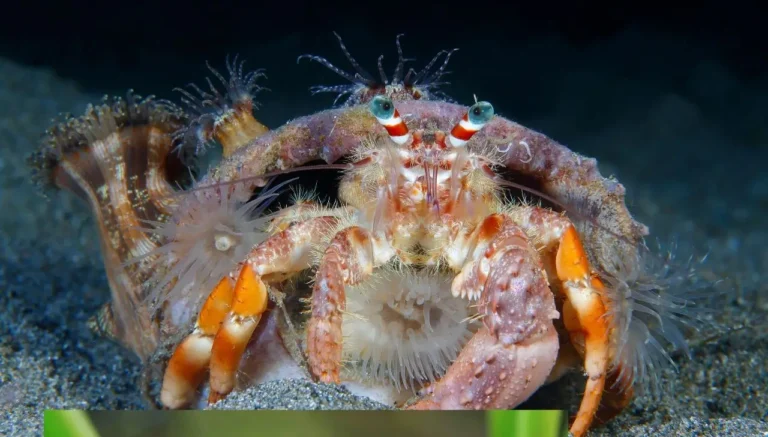
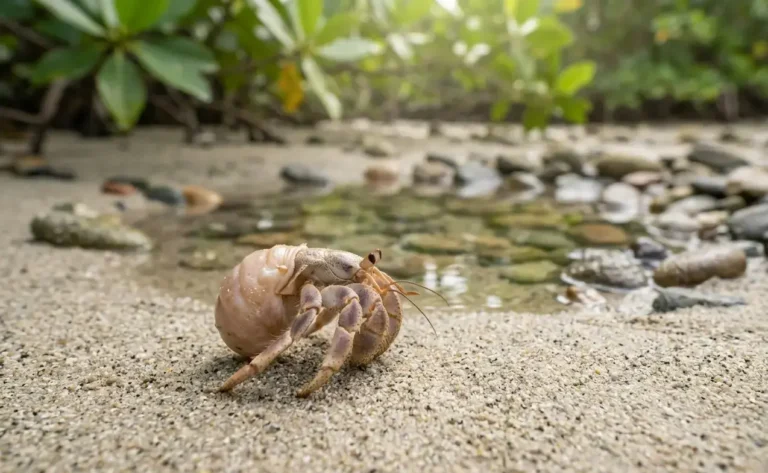
Hermit crab shells come from sea snails – specifically, snails that have died. When a snail dies or gets eaten by a predator, its empty shell is left behind. A hermit crab comes along, inspects it, and if it fits, moves in. That shell then becomes the crab’s home until it outgrows it, at which point the cycle starts all over again. Hermit crabs physically cannot grow their own shells because their abdomens are soft, unprotected, and vulnerable. Without a borrowed shell, they would be eaten within hours.
Bonus: Why Do Hermit Crabs Need Shells?
Which Snails, Exactly?
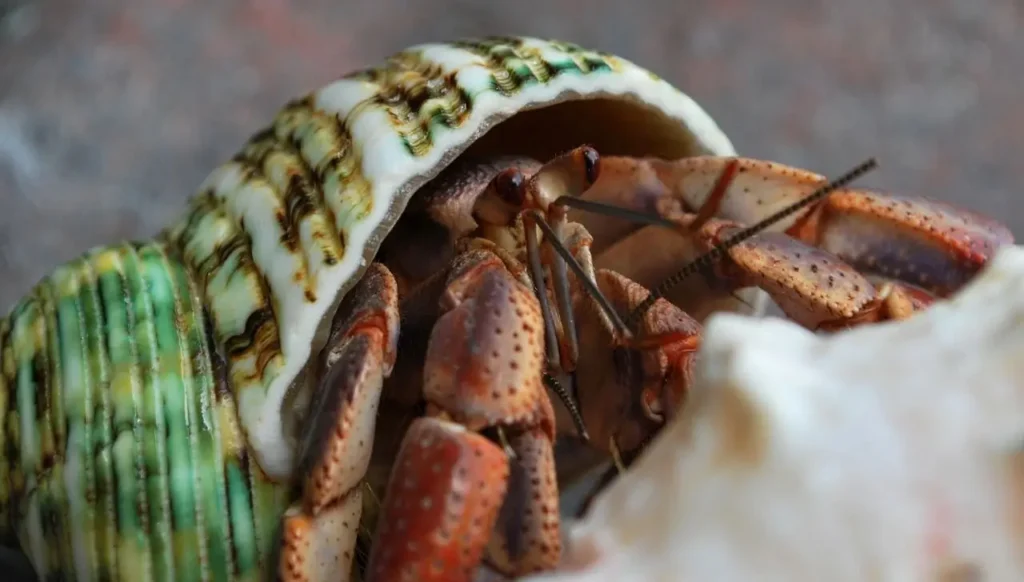
The type of shell a hermit crab ends up wearing depends entirely on where it lives. Different oceans, different snails, different shells. Here are the most common sources:
- Whelks and conchs. These are the most common shells worn by Caribbean land hermit crabs (the kind usually sold as pets). Whelk shells are sturdy, heavy, and built to last. Queen conch shells are especially prized by larger crabs in Florida and the Caribbean.
- Turbo snails. Found off the coasts of Australia, Mexico, and Madagascar. These round, spiral shells are popular in the pet trade and are what you will most often see sold as “replacement shells” in pet stores.
- Periwinkles. Tiny snail shells worn by baby and young hermit crabs, especially in the Pacific Northwest. These are the first homes most crabs wear when they come out of their larval stage.
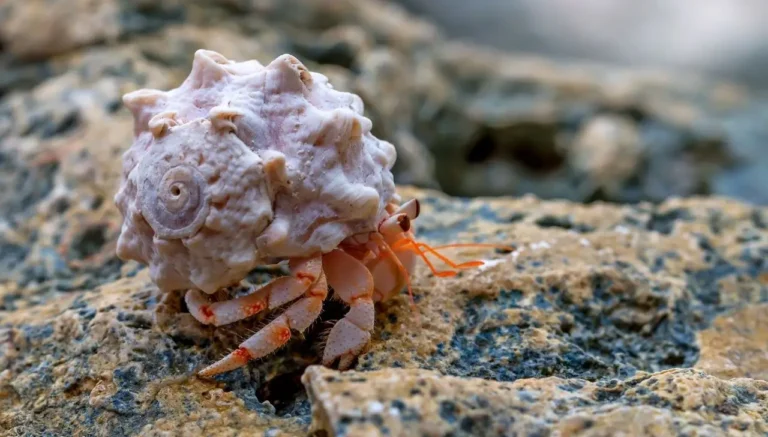
- Murex snails. Spiky, ornate shells that some larger species prefer. Common in warmer coastal waters.
- Moon snails. Smooth, rounded shells that many smaller hermit crabs favor. Moon snails are also predators themselves, drilling into other snail shells — which ironically creates more empty shells for hermit crabs.
Bonus: How Do Hermit Crabs Get Their Shells?
Before Snails, There Were Ammonites
This is the part that genuinely fascinated me when I first came across it. Hermit crabs have been borrowing shells for at least 150 million years – but they did not always use snail shells. Fossil records show that before snails became the dominant shelled mollusks, early hermit crabs lived inside the coiled shells of ammonites, the now-extinct spiral-shelled relatives of squids and octopuses. When ammonites went extinct around 66 million years ago (in the same event that killed the dinosaurs), hermit crabs had to switch to the next best option: snail shells. They have been using them ever since. The crab’s entire body shape – the curved, asymmetrical abdomen – evolved specifically to fit inside spiral gastropod shells.
How Hermit Crabs Actually Get New Shells
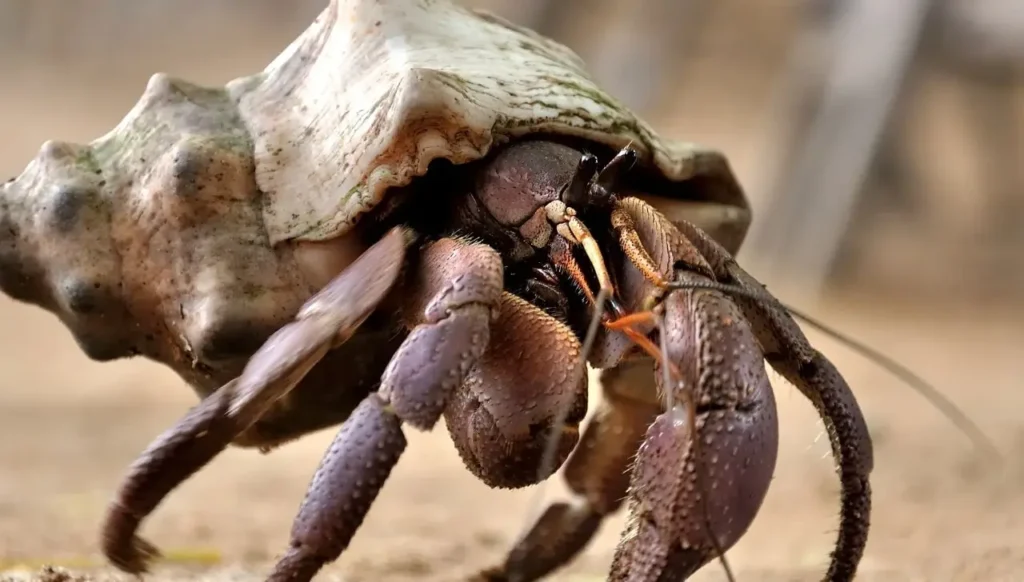
Finding a shell is not as simple as stumbling on one. Hermit crabs have developed some surprisingly clever strategies for upgrading their homes.
1. Finding dead snails.
The most straightforward method. Crabs patrol beaches and tide pools constantly, inspecting any empty shell they come across.
2. Following predators.
Some hermit crabs actually track the chemical scent of injured snails. When a predatory snail like a moon snail attacks its prey, nearby hermit crabs gather and wait. The moment the predator pulls the dying snail from its shell, the closest crab dives in. It is brutal but efficient – a fresh, undamaged shell.
3. Vacancy chains.
This is the most fascinating behavior I have read about. When one crab finds a shell that is too big for it, it does not leave – it waits. More crabs arrive and line up, from smallest to largest. When a large enough crab shows up and moves into the new shell, the next-largest crab takes that one’s old shell, and so on down the line. A single new shell can upgrade a dozen crabs in a matter of minutes. It is one of the only animal examples of a social “resource chain” that scientists have compared to human housing markets.
4. Stealing
Hermit crabs will sometimes forcibly evict smaller crabs from desirable shells. This is the darker side of the shell economy. In some species, they have even been observed killing snails to get the shell fresh.
The Shell Shortage Is a Real Crisis
Here is the part most pet owners never hear about. In many parts of the world, hermit crabs are facing a serious shell shortage – and humans are the main cause. Tourists and shell collectors strip beaches of empty shells for souvenirs and decor, leaving wild hermit crabs with nothing to grow into. In places like Florida, the Caribbean, and parts of Southeast Asia, researchers have documented hermit crabs wearing broken glass, plastic bottle caps, and other trash because actual shells are no longer available. Tragically, some of these makeshift “shells” – especially plastic containers – become death traps, because a dying crab releases a chemical signal that attracts more crabs to the same trap.
The simplest thing anyone can do to help: do not collect empty shells from tropical beaches. That shell you are thinking of bringing home could be the difference between life and death for a wild hermit crab.
Conclusion:
Every hermit crab shell on Earth was originally grown by a snail. The crab is just the second tenant. This simple fact shapes almost everything about how hermit crabs live – from their evolutionary body shape, to their social behaviors, to the shell shortage crisis affecting wild populations today. Next time you see a hermit crab wearing a beautiful spiral shell, remember: it is a hand-me-down, hundreds of millions of years in the making.
FAQs:
A: No. Hermit crabs cannot produce shells. They have a hard exoskeleton covering the front of their body, but their abdomen is soft and unprotected. They must borrow shells from dead snails their entire lives.
A: The replacement shells sold in pet stores are real snail shells, usually from turbo snails collected in places like Mexico, Australia, and the Philippines. Avoid painted shells – the paint can chip and poison your crabs. Always buy natural, unpainted shells.
A: Usually no -they prefer to find shells from snails that are already dead. But in rare cases, especially when shells are scarce, some species have been observed attacking live snails to get their shells.

2 Comments