Are Coconut Crabs Dangerous to Humans? (Safety Guide)
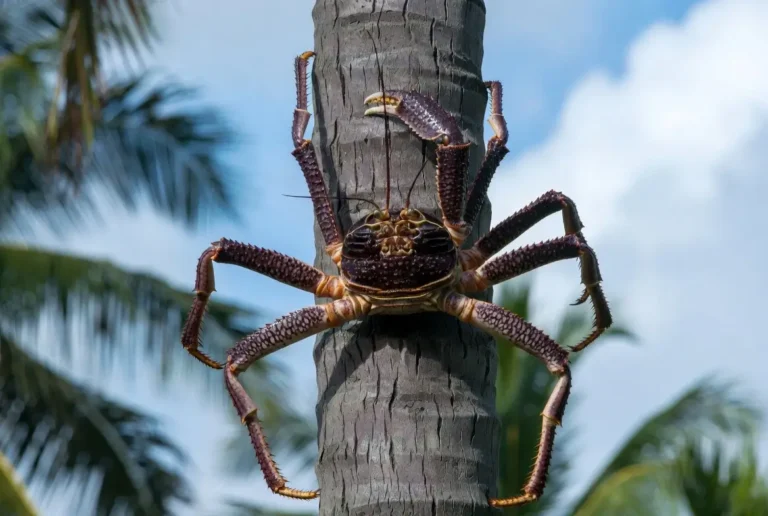
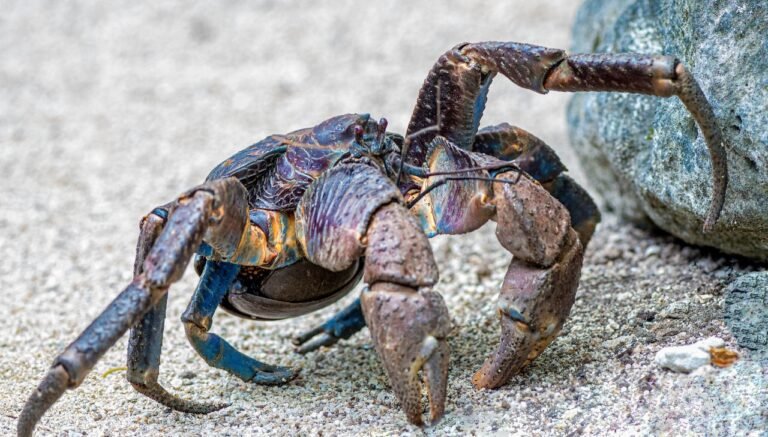
Coconut crabs are not dangerous in the way people picture. They avoid humans, they do not chase anyone, and no death has ever been linked to an attack.
The pinch is the real problem. A coconut crab can crush a finger, and once it clamps down, the thing your instinct tells you to do is exactly what makes it worse.
Do Coconut Crabs Attack People?
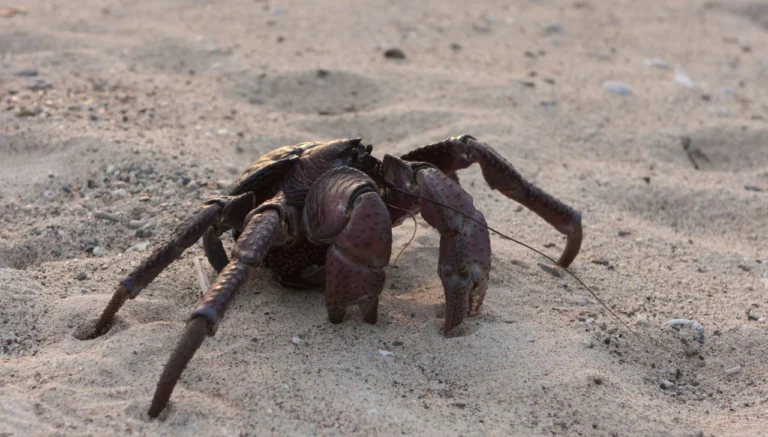
Almost never. A coconut crab wants nothing to do with you and will back away or freeze if you get close.
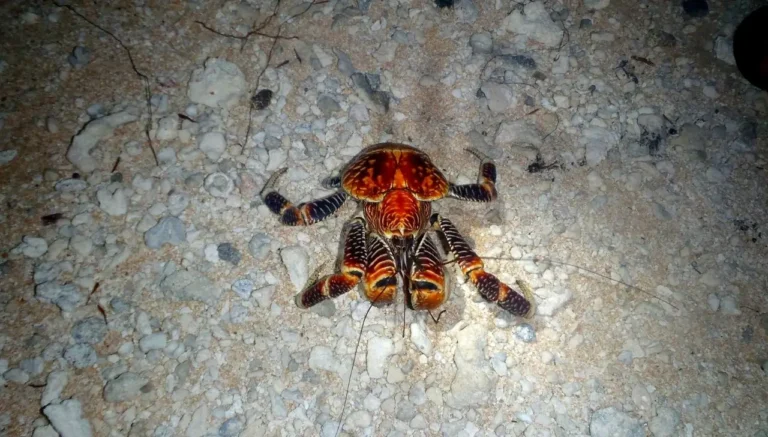
Nearly every injury happens for the same reason: somebody picked one up. These crabs pinch to defend themselves, not to hunt people. They also feed at night, so most visitors on their islands never even see one.
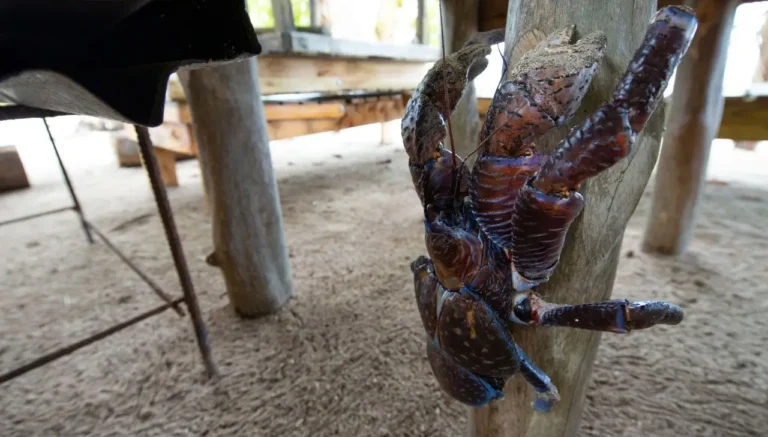
The exception is food. Coconut crabs raid camps, tents, and kitchens because their sense of smell drags them toward anything edible. That is where people and crabs actually cross paths.
How Bad Is a Coconut Crab Pinch?
Bad enough to break bone. A pinch to a finger crushes tissue and leaves a deep wound that heals slowly.
There is no venom in a coconut crab, so nothing gets injected and nothing spreads. The whole danger comes from raw pressure, plus the infection risk in any wound that deep.
The full breakdown of that grip sits in our guide on how strong a coconut crab is.
How Do You Get a Coconut Crab to Let Go?
Do not pull. Yanking your hand back makes the crab tighten its grip, and it can hold on for a long time.
Islanders and researchers report the opposite of what instinct tells you: staying still and gently stroking the soft underside of the crab’s body can encourage it to relax and release. Some people rub a little oil there instead. It is not guaranteed, so the safest move is to stay calm and avoid forcing it.
Once it lets go, move your hand away slowly. Sudden movement can start the whole thing again.
Have Coconut Crabs Ever Killed Anyone?
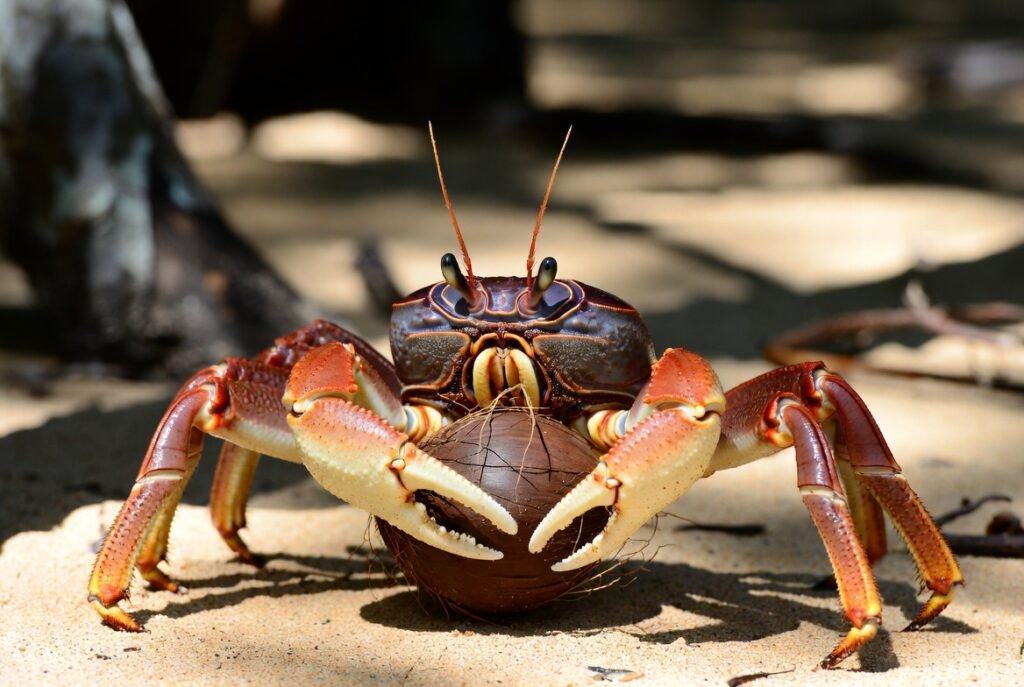
No. There is no recorded human death from a coconut crab attack anywhere.
One story keeps the myth alive. Researchers have suggested that coconut crabs on the island of Nikumaroro may have scattered the remains of Amelia Earhart, and tests showed the crabs can strip a carcass fast. Important detail: that is scavenging after death, not killing.
Coconut crabs eat carrion as part of their normal routine, which you can read about in what coconut crabs eat. It says nothing about how they treat living people.
Are Coconut Crabs Poisonous to Eat?
Sometimes, and this is the real danger most people miss. A coconut crab can turn toxic depending on what it has been eating.
Crabs that feed on certain poisonous island fruits store those compounds in their own bodies. Eating one of those crabs has made people seriously ill. Islanders know which areas to avoid and which crabs to leave alone.
If you are not local, do not eat a wild coconut crab you found yourself. Many islands also protect them by law, so taking one can be illegal on top of unsafe.
How to Stay Safe Around Coconut Crabs:
The rules are simple and they work.
- Do not pick one up. This single habit prevents almost every injury on record.
- Seal your food. Store it in hard containers and keep it off the ground, especially overnight when the crabs are active.
- Watch where you step at night. They come out after dark and blend into the ground.
- Keep your distance from big ones. Larger crabs have more claw force and less reason to retreat.
- Never eat one you caught yourself. Toxicity and local protection laws both apply.
Conclusion:
Coconut crabs are far less dangerous than their size suggests. They will not chase you, they carry no venom, and nobody has ever died from one. The only real risk is their claw, so keep your distance, never pick one up, and never eat a wild crab yourself.
(FAQs):
A: Yes, and often. Their sense of smell pulls them toward stored food, which is how they earned the nickname robber crab.
A: A pinch can injure a curious pet badly. Keep animals away from them, since a dog nosing at a crab is exactly the situation that triggers a defensive grip.
A: Not in a way that spreads to people directly. The real risk is infection in a deep pinch wound, so clean and treat any injury properly.
A: It depends on the island. Christmas Island bans it outright, while some Pacific islands allow limited harvest with size limits and seasons.