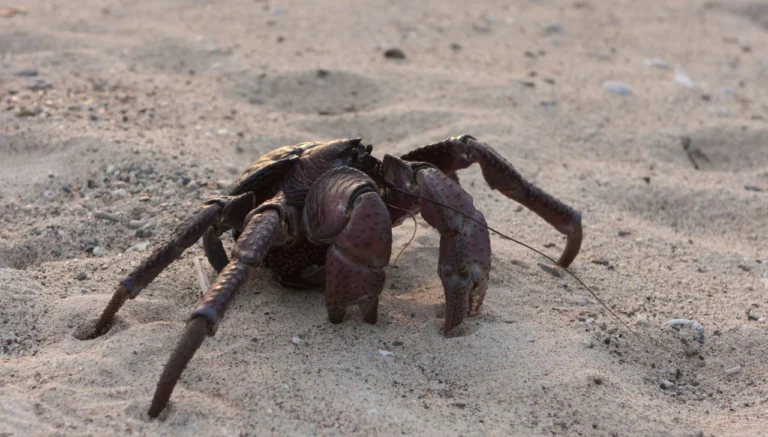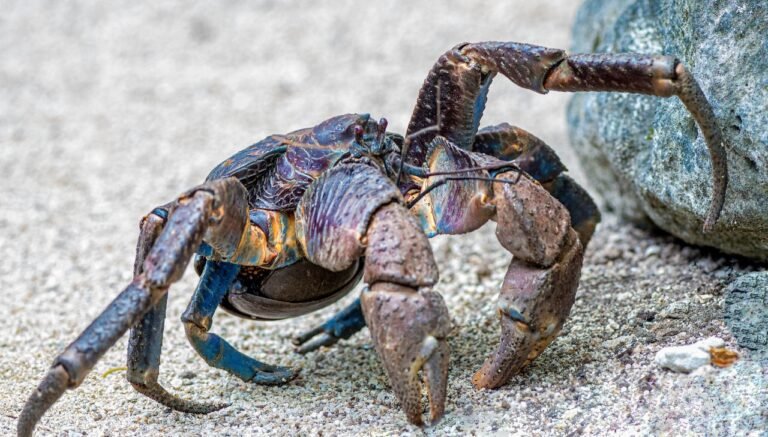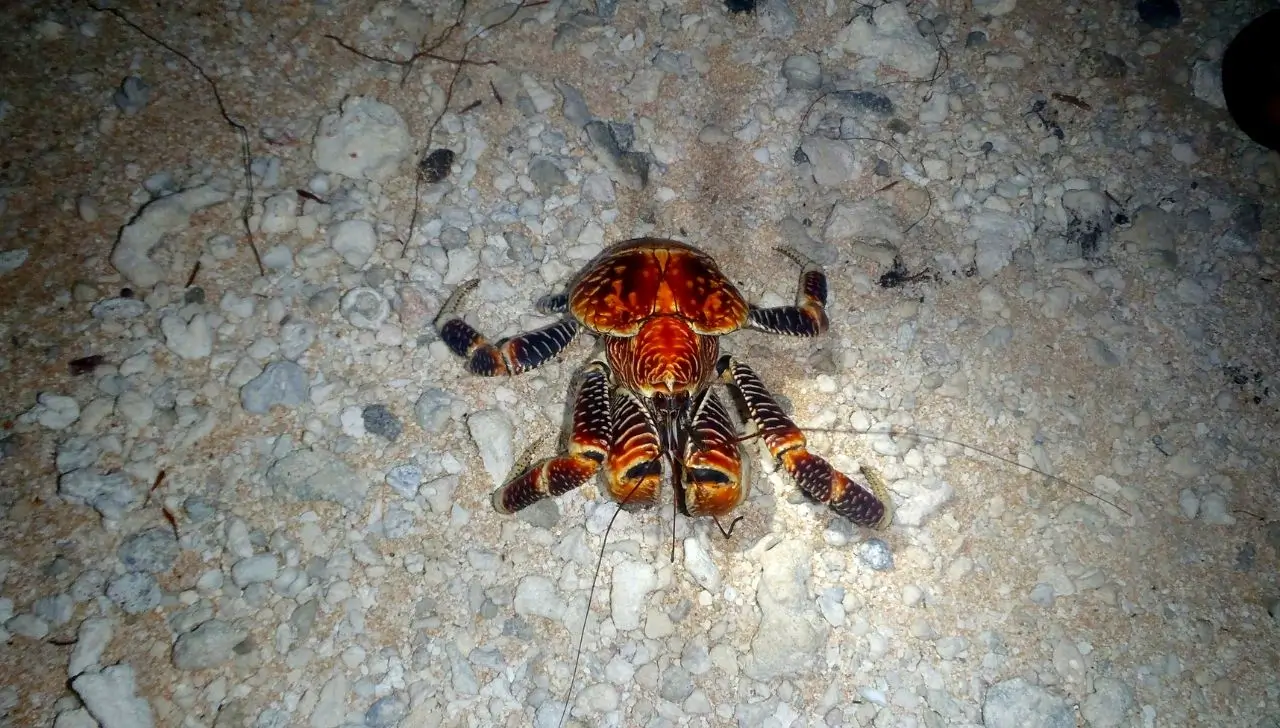
Where Do Coconut Crabs Live? [Christmas Island Wins]
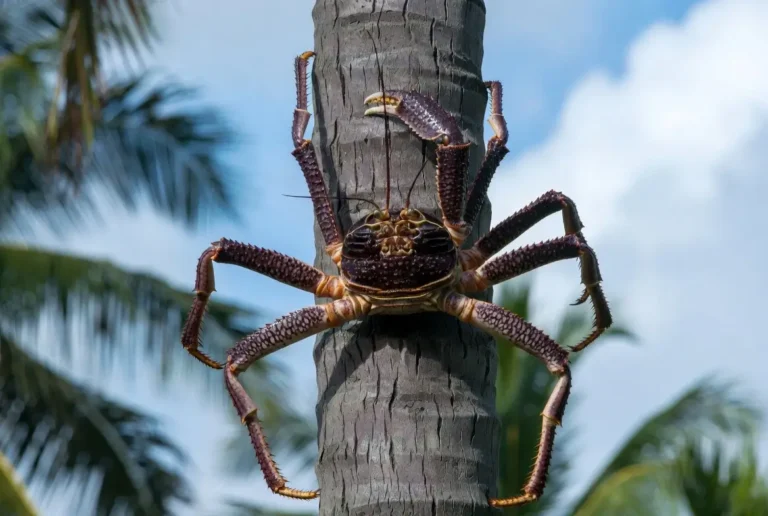
Coconut crabs live on tropical islands across the Indian and Pacific Oceans. You will find them on warm, remote islands like Christmas Island, the Seychelles, Guam, and the Cook Islands, almost always close to the coast. Their range closely follows the coconut palm, one of their favorite foods. Here is a full look at where coconut crabs live, which islands have the most, and the kind of habitat they need to survive.
Coconut crabs live on tropical islands across the Indian and Pacific Oceans. You will find them on Christmas Island, the Seychelles, Guam, and the Cook Islands, almost always close to the coast.
But one island holds more coconut crabs than anywhere else on Earth. And there is a strange reason these giants can never leave the island they were born on.
Which Oceans Do Coconut Crabs Live In?
Coconut crabs live across the Indian Ocean and the central Pacific Ocean. They stay on islands, not on mainlands.
Their range starts at Zanzibar off the coast of Africa and stretches east to remote Pacific islands. They stick to the warm tropics and rarely live outside this band. Heat and humidity keep them healthy, so cooler places do not work for them.
Islands Where Coconut Crabs Live:
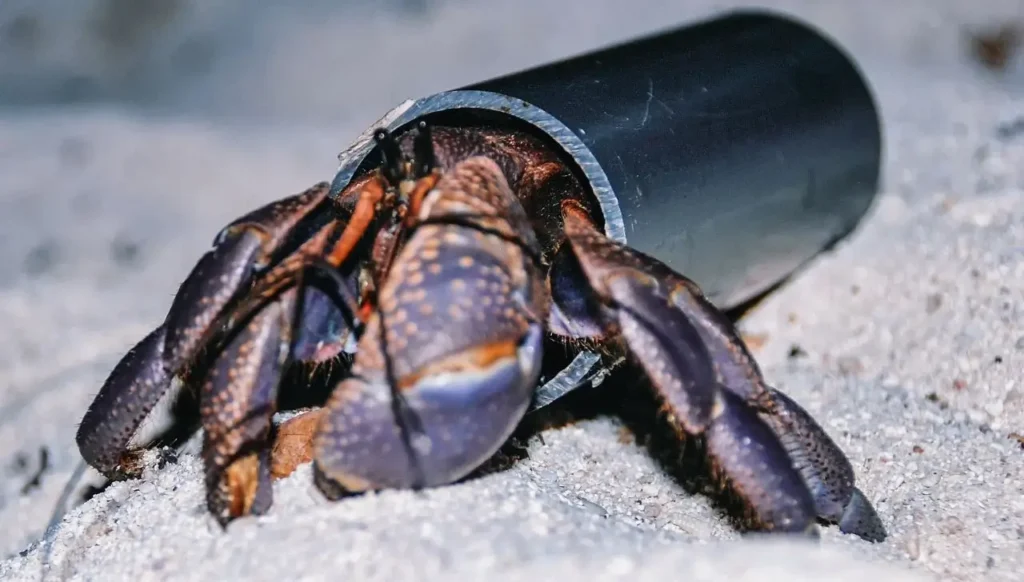
Coconut crabs spread across many tropical islands. These are their best known homes.
Christmas Island
This Australian island sits in the Indian Ocean and holds the largest, densest coconut crab population on Earth. The island’s national park protects them, so their numbers stay strong here while other places lose crabs.
If you want to see coconut crabs in the wild, this is the top spot anywhere.
The Seychelles
These Indian Ocean islands hold strong, healthy populations. Aldabra is the standout, with crabs living across its remote atoll.
Guam and the Mariana Islands
Coconut crabs live throughout this Pacific island chain. Saipan and Tinian both have them, along with Guam itself.
The Cook Islands
This Pacific archipelago holds large numbers. The isolated islands do best, and Pukapuka is one of the strongest.
Coconut crabs also live in the Andaman and Nicobar Islands, Vanuatu, Fiji, and parts of Indonesia.
What Kind of Habitat Do They Need?
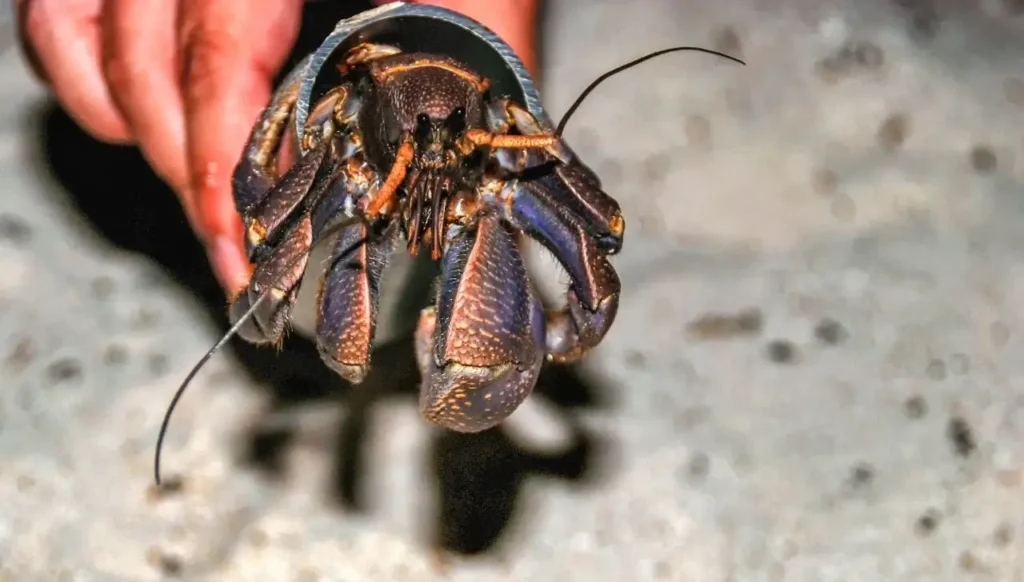
Coconut crabs are picky about their surroundings. They need four things to survive.
Warm, humid air. They breathe through a special lung-like organ that has to stay moist. Dry air puts them in danger fast.
Coastal land. They live near the shore. On Christmas Island, some wander up to 6 kilometers (about 4 miles) inland.
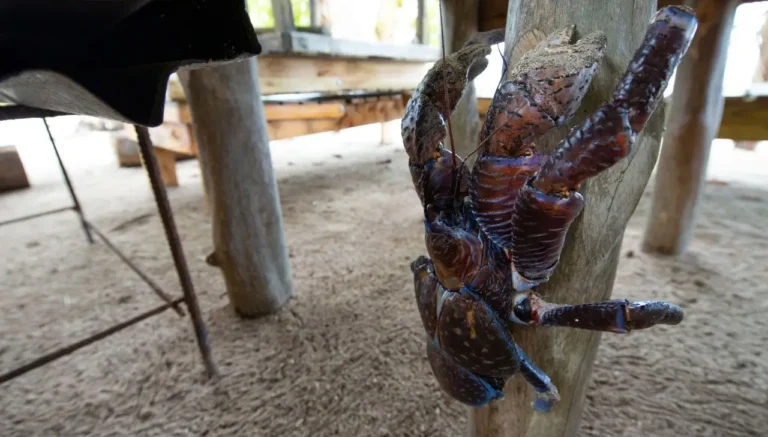
Soft ground for burrows. They dig into sand or loose soil to escape the heat. Burrows also keep them safe while they molt.
Few people around. They do best on remote islands where nobody hunts them and nothing crowds them out.
Why Do Coconut Crabs Only Live on Islands?
It comes down to how they travel and where they stay safe. Adult coconut crabs cannot swim, and they drown if they end up in the sea. Crossing open water is impossible for a grown crab.
Their young do the traveling instead. Tiny larvae drift in the ocean for weeks before settling on a new island and moving ashore. Islands also protect them from the many predators that hunt on mainlands.
Do Coconut Crabs Live in the United States?
Yes, but only in U.S. Pacific territories. Guam and the Northern Mariana Islands both have wild populations.
No U.S. state has coconut crabs living in the wild. The mainland runs too cold and too dry for an animal that needs constant tropical humidity.
Where Coconut Crabs Used to Live
Coconut crabs once lived on mainland Australia and Madagascar. They have vanished from both. People moved in, hunting picked up, and their habitat disappeared.
The same pattern shows up on smaller islands today. Numbers keep dropping in populated areas, which is why coconut crabs now carry a vulnerable listing.
Coconut crabs live on warm tropical islands across the Indian and Pacific Oceans, from Zanzibar in the west to remote Pacific islands in the east. They need humid coastal land with soft ground for burrows, and they do best far from people.
Christmas Island remains their greatest stronghold. Protecting island homes like it is the only way to keep the world’s largest land crab around.
FAQs:
A: No. They grow up to 3 feet across, live for decades, and need constant tropical humidity. Most places where they live also ban taking them.
A: It depends on the island. Christmas Island bans it completely, while some Pacific islands allow limited traditional harvest with size limits.
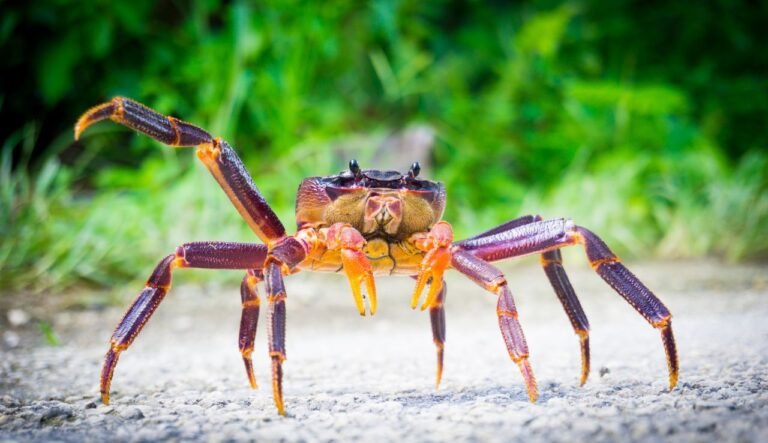
A: Yes. On Christmas Island they live alongside the famous red crabs and several other land crab species. Each one uses a different part of the island.
A: The wet season is best, since humid air brings them out more often. They also feed mostly at night, so evening walks work better than daytime ones.