How Strong Is a Coconut Crab? [80x Its Body Weight]
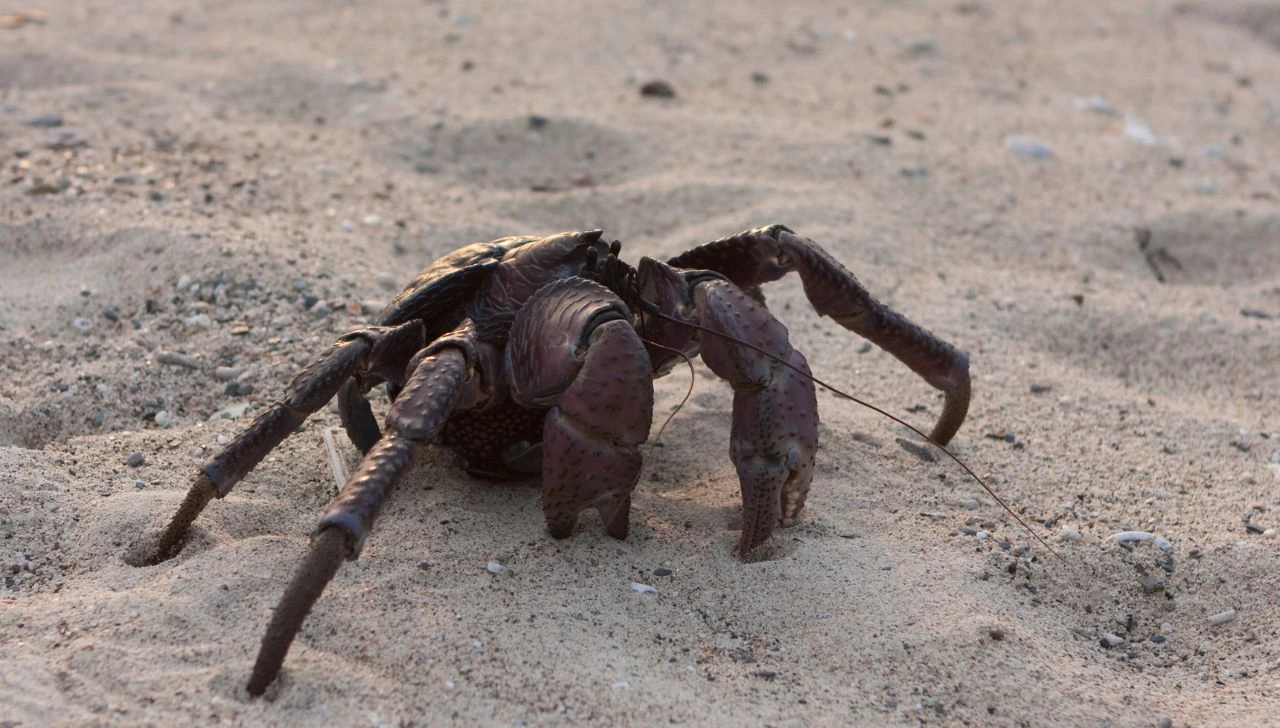
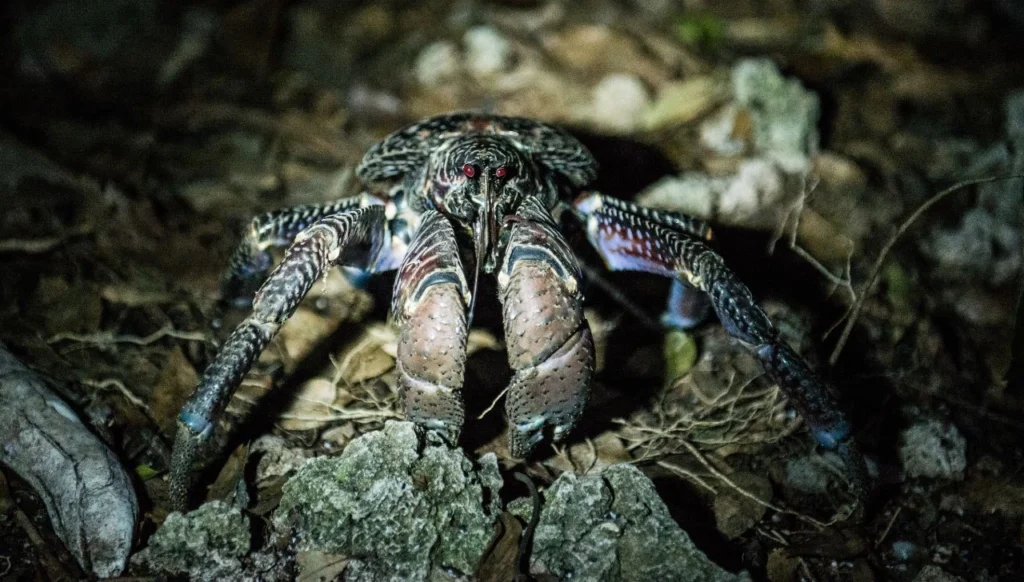
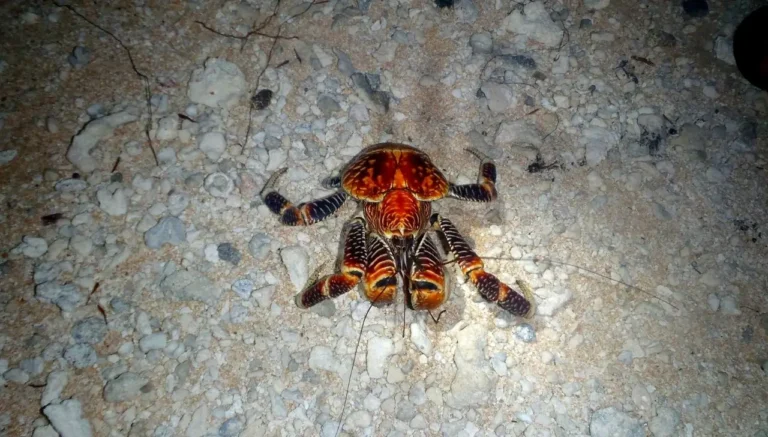
A coconut crab has the strongest pinch of any crustacean on Earth. The biggest ones are estimated to squeeze with around 740 pounds of force.
That number is not what anyone actually recorded in a lab. The real measurement was less than half of it, and how researchers got from one to the other is the interesting part
How Scientists Measured Crab Strength:
A Japanese team led by Shin-ichiro Oka tested 29 wild coconut crabs on Okinawa Island. Each crab clamped down on a steel sensor built to record pinch pressure.
The results ran in PLOS ONE in 2016. Pinch strength scaled directly with body weight, so the heavier the crab, the harder the squeeze.
Coconut Crab Pinch Force
The strongest crab in the study produced 1,765 newtons, roughly 397 pounds. That crab weighed about 2.1 kg.
The problem is that coconut crabs get much bigger than any crab the team could test. The heaviest ever recorded came in at 4 kg, close to 9 pounds.
So the researchers scaled their equation up to that size and estimated 3,300 newtons, about 740 pounds. That figure is a projection, not a reading off a sensor. No one has yet measured a full-size crab.
Coconut Crab vs Animal Bites:
| Animal | Force |
|---|---|
| Crocodile | 16,460 newtons |
| Lion, tiger, hyena | 4,450 newtons |
| Coconut crab, largest estimate | 3,300 newtons |
| Human jaw | About 1,180 newtons |
Worth being precise here. A coconut crab does not beat a lion. At 3,300 newtons it reaches about three quarters of a big cat’s bite.
What makes it remarkable is the body attached to the claw. The lion weighs around 400 pounds. The crab weighs nine.
Coconut Crab Strength Per Pound:
Pound for pound, nothing else comes close. A big coconut crab generates more than 80 times its own body weight in pinching force.
The lead researcher put it in human terms. An adult with that same strength-to-weight ratio could squeeze with about 6 tons of force, roughly an African elephant, using one hand.
How Much Coconut Crabs Lift?
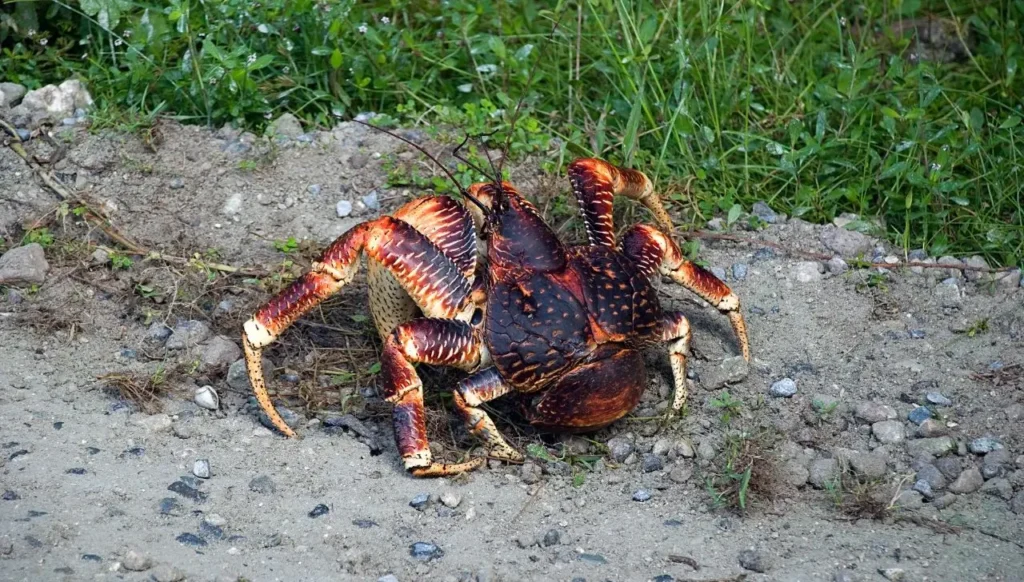
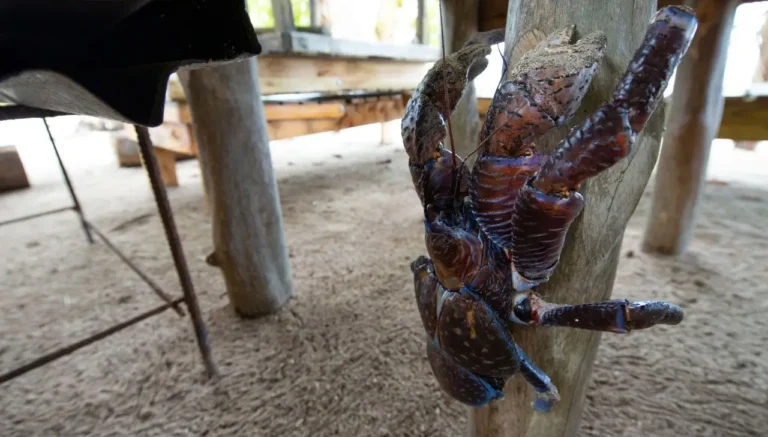
They haul objects weighing around 66 pounds (30 kg), about seven times their own body weight.
That is how they drag off coconuts, carrion, and the occasional stolen pot or shoe. The habit is where the nickname robber crab came from, and their appetite for almost anything is covered in what coconut crabs eat.
Why Coconut Crabs Need Power
The claw does three jobs.
Opening hard food. It cracks coconuts and tough-shelled prey nothing else on the island can reach, which hands them a food supply with no competition.
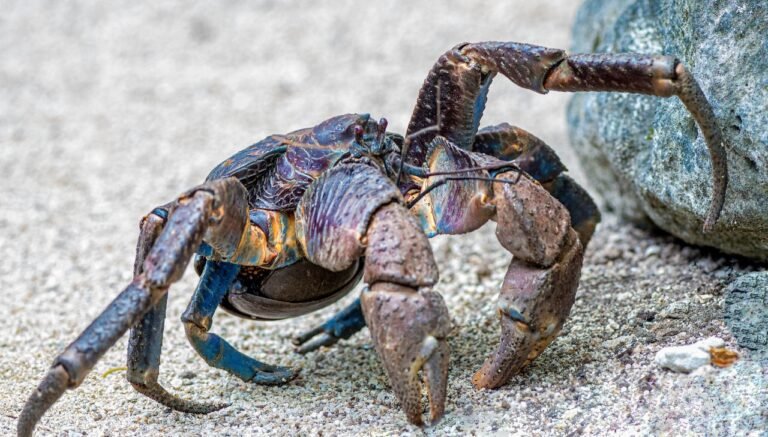
Defense. An adult has no borrowed shell to retreat into, so the claw is the whole defensive strategy.
Settling fights. They use it against other coconut crabs in disputes over food and territory.
What a Coconut Crab Pinch Feels Like:
The lead researcher found out twice during the study. He described his hand as effectively paralyzed until the crab released, and said the few minutes felt endless.
No bones broke. A coconut crab does not snap like a jaw. It applies slow, steady pressure and holds, which is exactly why the grip is so hard to escape. More on injury risk in are coconut crabs dangerous.
Conclusion:
The headline number is an estimate, and it still holds up. No crustacean pinches harder, and nothing on land generates that much force from a nine pound body. The claw is the reason this animal owns food no other island species can open.
(FAQs):
A: The larger one, usually the left. It handles crushing work while the smaller claw does finer tasks like tearing food apart.
A: Far weaker. The smallest crab in the study managed 29 newtons against 1,765 for the largest, since force scales with body weight.
A: No. Opening a coconut takes repeated work over hours or even days, usually starting at the soft eyes of the shell.
A: It regrows over successive molts, though the replacement starts small and takes years to reach full size and strength.
I think that is one of the most significant info for me. And i am satisfied studying your article.
But want to observation on few general things, The web site style is great, the articles is really excellent
: D. Just right process, cheers