Where Do Hermit Crabs Live? [800 Species, 15 on Land]
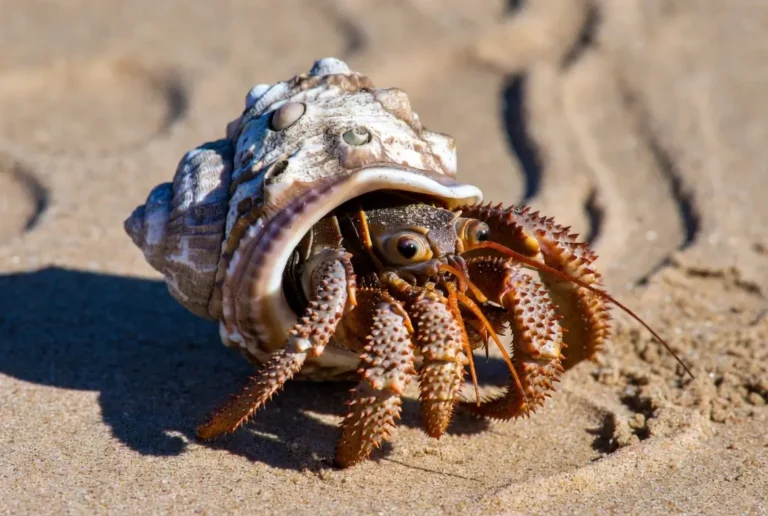
Hermit crabs live along warm coastlines and oceans worldwide, but the split is nothing like most people assume. Of the 800 plus species, almost every one lives fully underwater.
Only about 15 species live on land, and those are the ones sold as pets. One species broke the pattern entirely and lives somewhere no other hermit crab can survive.
Two Types of Hermit Crabs
The 800 plus species divide by where they live, and the divide is lopsided.
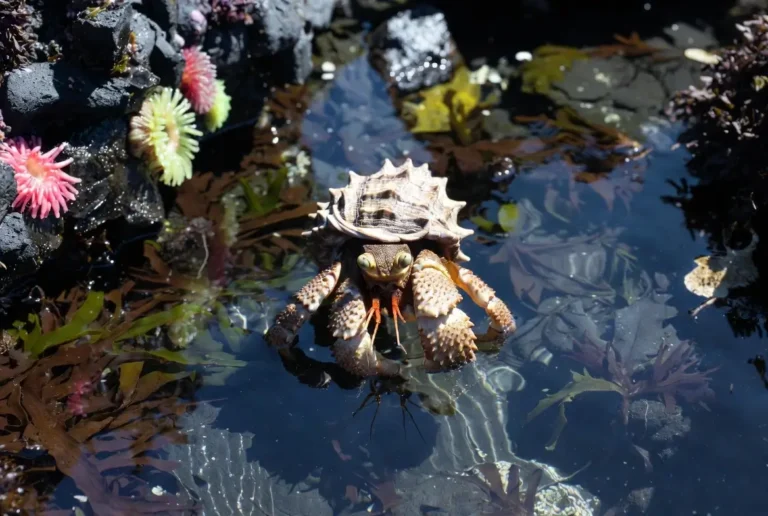
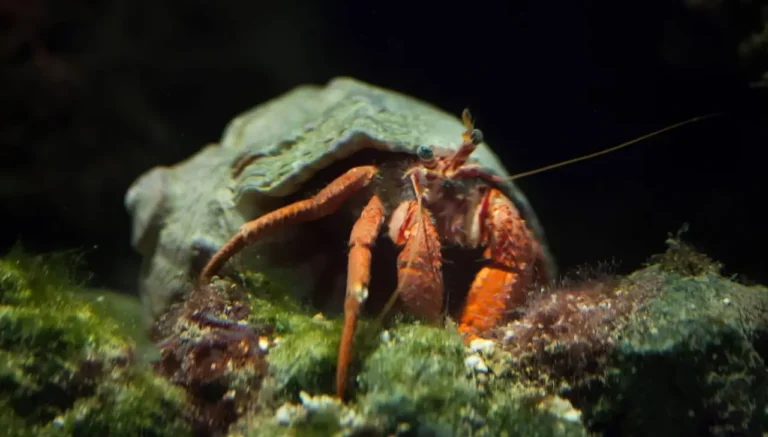
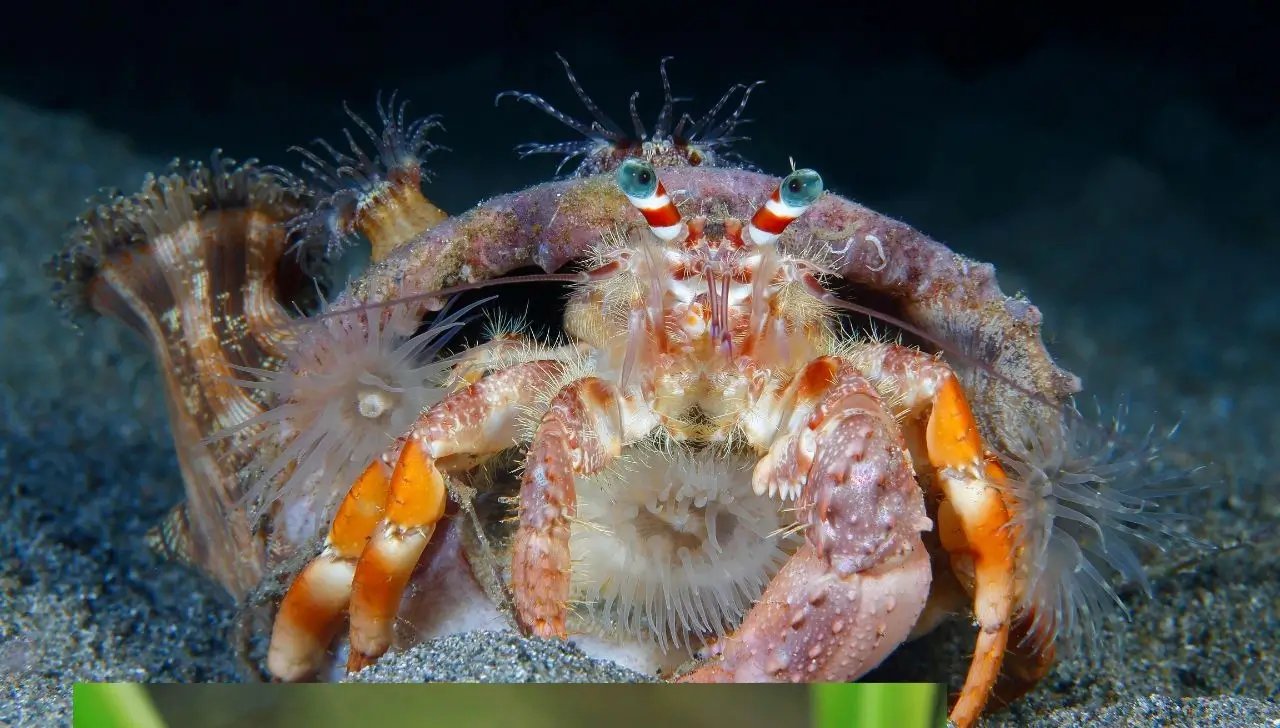
Marine hermit crabs are almost all of them. They live entirely underwater, from shallow reefs down to the sea floor.
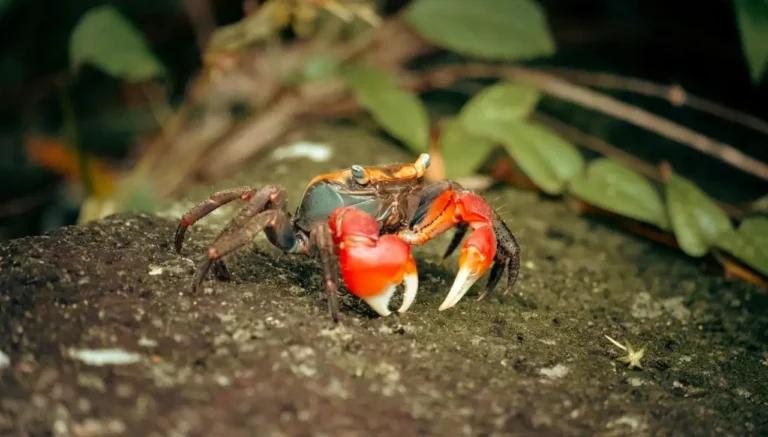
Land hermit crabs number only about 15 species, all in the genus Coenobita. They breathe air but stay near the coast because they still need salt water.
That means the crab in a pet shop represents less than 2 percent of all hermit crabs on Earth.
Where Marine Hermit Crabs Live:
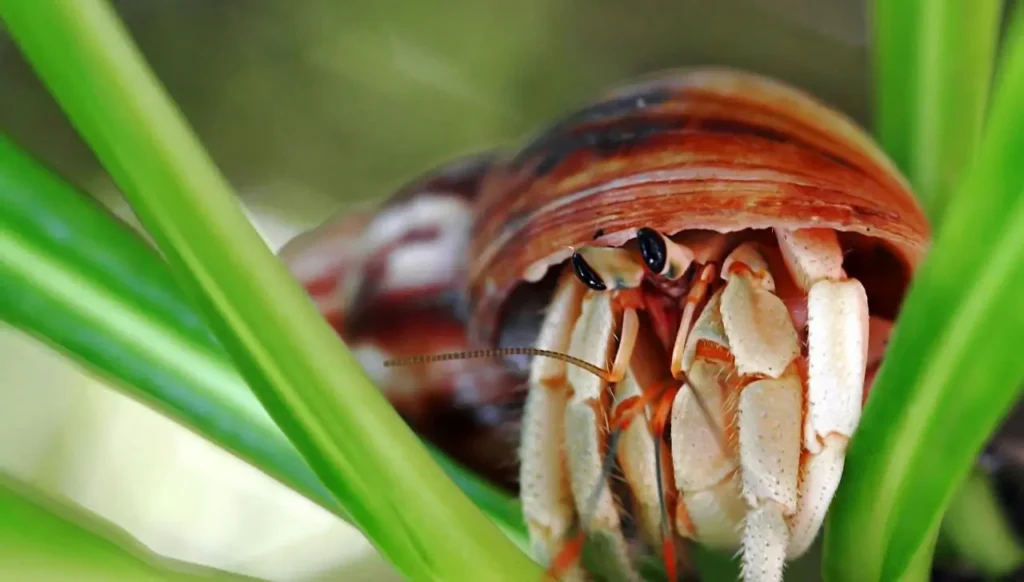
Most hermit crabs spend their whole lives in salt water.
- Coral reefs. Warm shallow reefs offer both food and a steady supply of empty shells.
- Tide pools. Rocky pools along the shore that refill with seawater hold large numbers of small species.
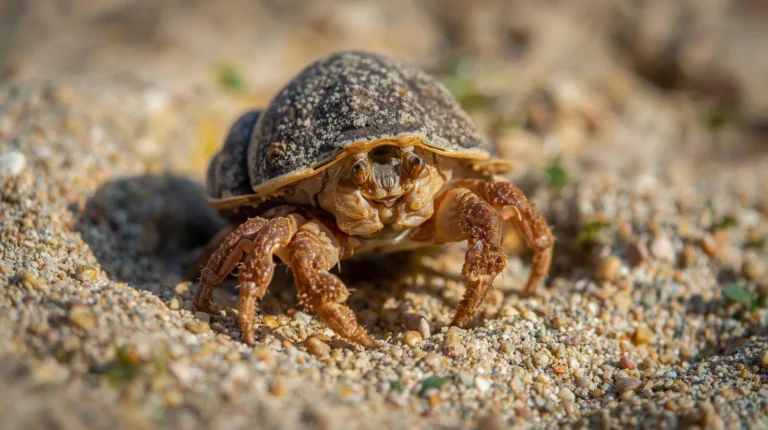
- Sandy and muddy sea floors. Many species work the bottom, scavenging and hunting for shells.
- The deep sea. Some species live far below the surface, well beyond where light reaches.
Where Land Hermit Crabs Live
Land hermit crabs stay near the coast but out of the water.
- Sandy beaches and dunes. They burrow into damp sand near the shoreline to stay cool and moist.
- Mangrove forests. These wet, salty coastal forests supply shade, food, and humidity.
- Coastal and inland forests. Some travel surprisingly far inland, returning to the sea to breed.
- Salt marshes and rocky shores. Damp sheltered spots keep their gills wet, which is what hermit crab breathing depends on.
They are mostly nocturnal, coming out at night when the air is cooler and damper. Through the heat of the day they hide under leaves, logs, and sand.
The Only Freshwater Hermit Crab:
One species does not fit anywhere. Clibanarius fonticola is the only hermit crab on Earth that spends its whole life in fresh water.
It lives on Espiritu Santo in Vanuatu, in a single spring-fed pool near an abandoned airstrip. Nowhere else.
The crabs grow only to about the size of a pencil eraser and all use shells from one freshwater snail, Clithon corona. Their entire species depends on one small pool staying intact.
Which Countries Do Hermit Crabs Live In?
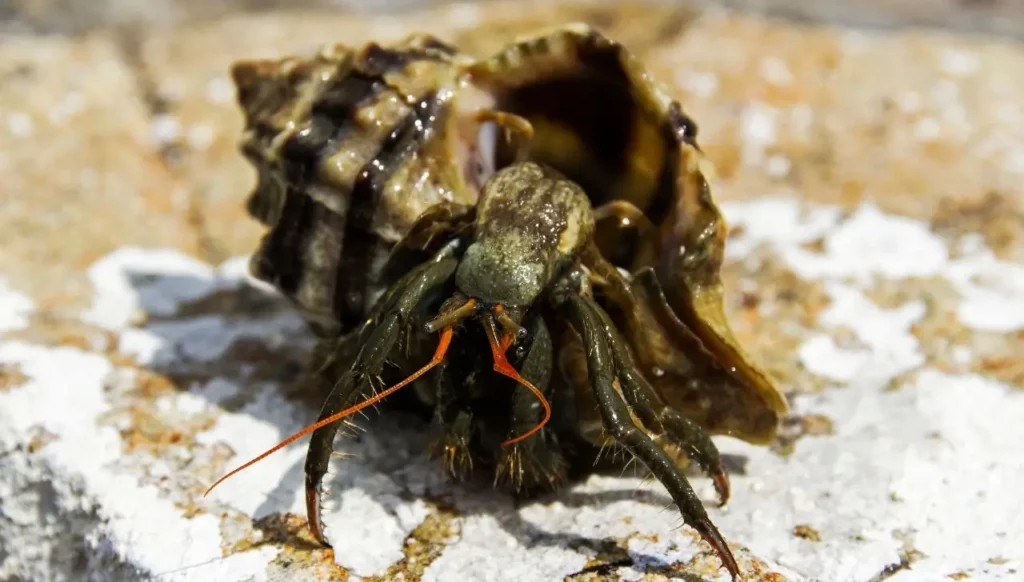
They occupy warm waters and coastlines around the world, concentrated in tropical and subtropical regions.
Common wild homes include the Caribbean, Australia, Africa, South America, Indonesia, and the southern Atlantic coast of the United States.
The usual pet species is the Caribbean hermit crab, Coenobita clypeatus, native to the west Atlantic, Belize, southern Florida, Venezuela, and the West Indies.
Marine vs Land Habitat:
| Feature | Marine crabs | Land crabs |
|---|---|---|
| Species count | Roughly 785 | About 15 |
| Lives in | Ocean water | Shoreline land |
| Breathes | Underwater gills | Air, moist gills |
| Found in | Reefs, sea floor | Beaches, forests |
| Kept as pets | Rarely | Yes |
A land hermit crab drowns if kept submerged, and a marine one dries out on land. This is why a pet land crab needs a dry tank with shallow water dishes, not a full aquarium.
Conclusion:
Hermit crabs live nearly everywhere warm, but overwhelmingly in the sea. Around 785 species are marine, about 15 are terrestrial, and exactly one lives in fresh water.
If you keep a land hermit crab, copy that wild shoreline: warm, humid, sandy, and stocked with salt water.me.
Frequently Asked Questions
A: Because the group evolved in the sea. Moving onto land needed modified gills and a way to stay damp, and only the genus Coenobita managed it.
A: Some climb. The Caribbean hermit crab is nicknamed the tree crab for exactly this, scaling plants in coastal forests for food and shade.
A: Nearly all are caught in the wild, since they rarely breed in captivity. Most come from warm Caribbean and Atlantic coastlines.
A: In groups, despite the name. Wild colonies reach dozens or hundreds, and isolation stresses them, as covered in do hermit crabs have feelings.