How Do Hermit Crabs Breathe? [Wet Gills, No Lungs]
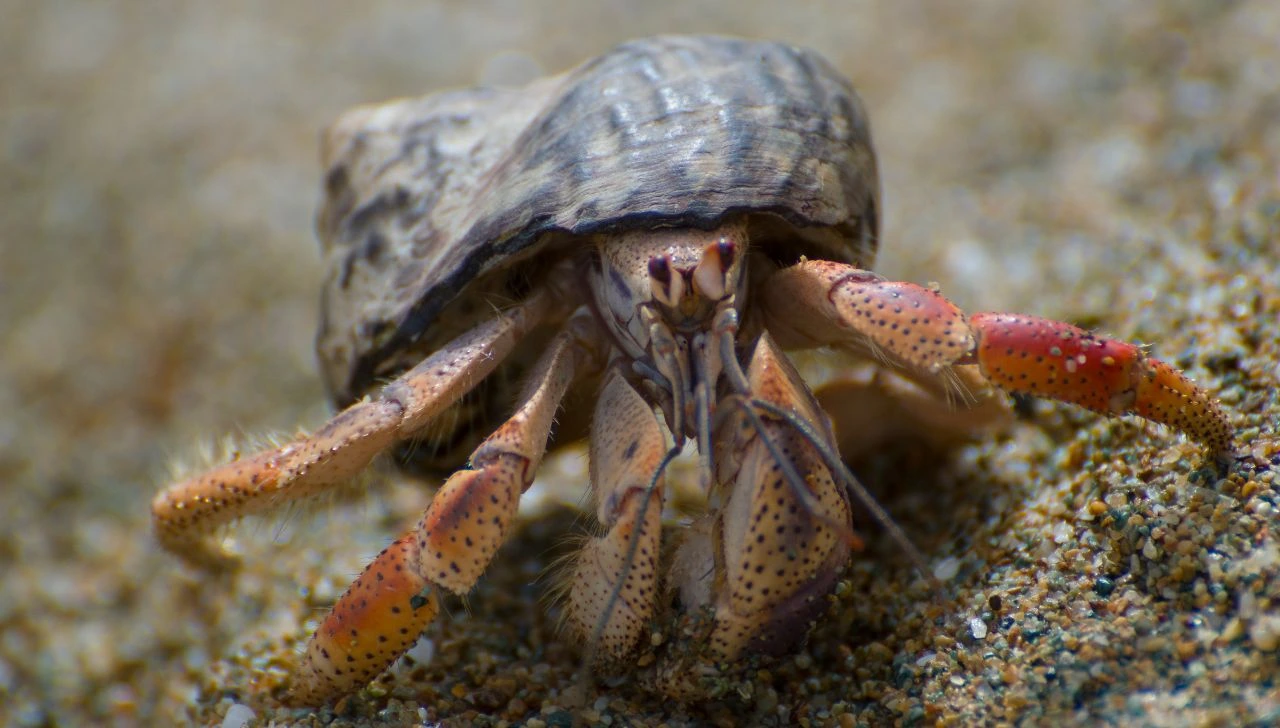
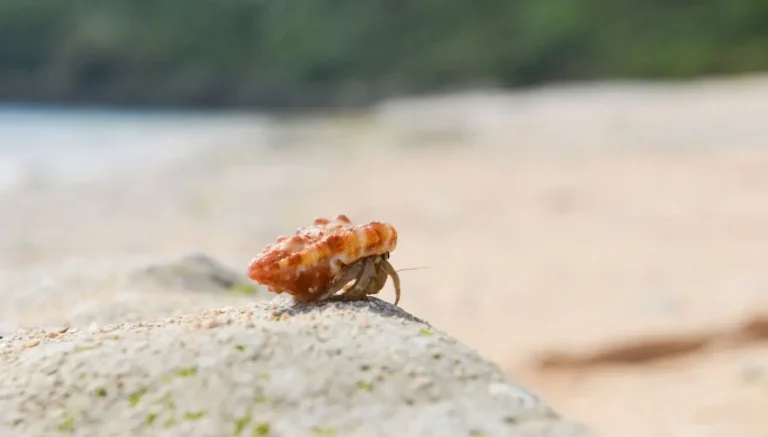
Hermit crabs breathe air through modified gills, not lungs. Those gills pull oxygen straight from the air, but only while they stay damp.
That single requirement is why a hermit crab can suffocate in a room full of air, and why most tank deaths trace back to one number on a gauge.
Do Hermit Crabs Have Lungs?
Gills, mostly. Land hermit crabs breathe with modified gills that take oxygen from air, backed up by a simple lung-like surface.
Both sit inside a space along the sides of the body called the branchial chamber. Part of that chamber works as a basic lung, known as a branchiostegal lung, passing oxygen into the blood.
So they are neither true gills nor true lungs. They are a halfway build for life on land.
Why Hermit Crab Gills Need Moisture:
This is the whole thing. Gills only absorb oxygen while they are moist, because oxygen has to dissolve into that damp surface before it can cross into the blood.
Let the gills dry and the process stops. The crab suffocates slowly, surrounded by air it cannot use. The oxygen it does absorb travels in hermit crab blood, a pale blue fluid called hemolymph.
It happens quietly. There is no gasping and no obvious struggle, which is why owners often miss it until the crab is already weak.
Humidity Keeps Crabs Breathing:
For a pet hermit crab, humidity is not comfort. It is life support. Never let it fall below 70 percent, and aim for 75 to 85.
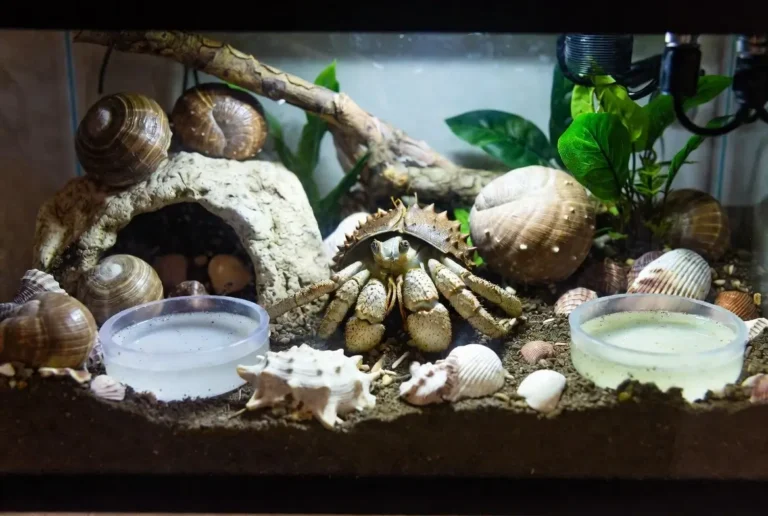
- Deep, damp substrate. At least 6 inches, kept slightly moist. It releases moisture into the air all day.
- Water in the shell. Crabs carry water in the back of the shell to keep gills wet while they move around.
- Two water dishes. Fresh and salt, both deep enough to submerge in and easy to climb out of.
- A hygrometer. Guessing does not work. A gauge tells you if the level has slipped.
Most homes sit near 40 to 50 percent humidity. That is far below what a hermit crab needs and it does damage slowly rather than all at once.
Can Hermit Crabs Breathe Underwater?
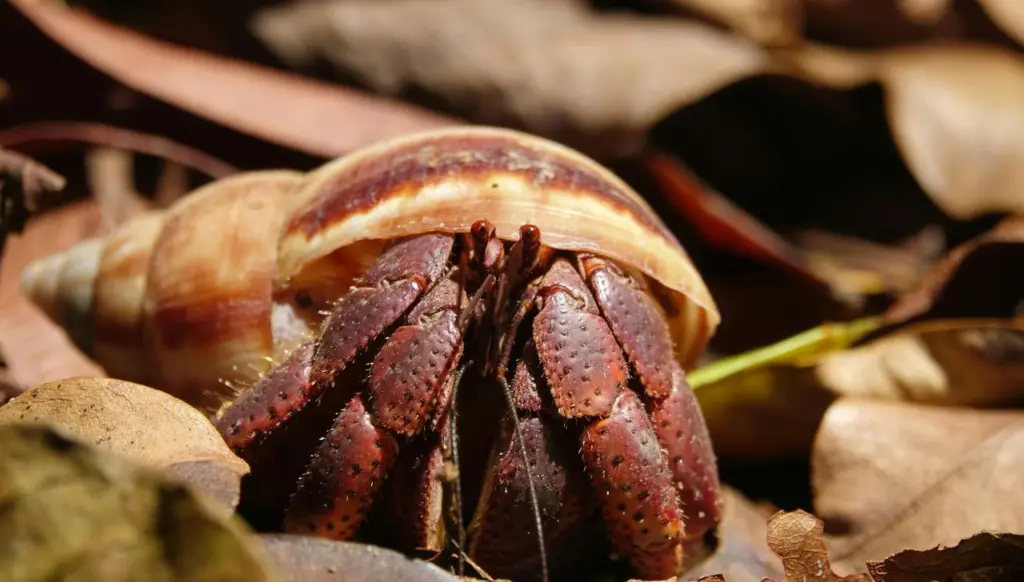
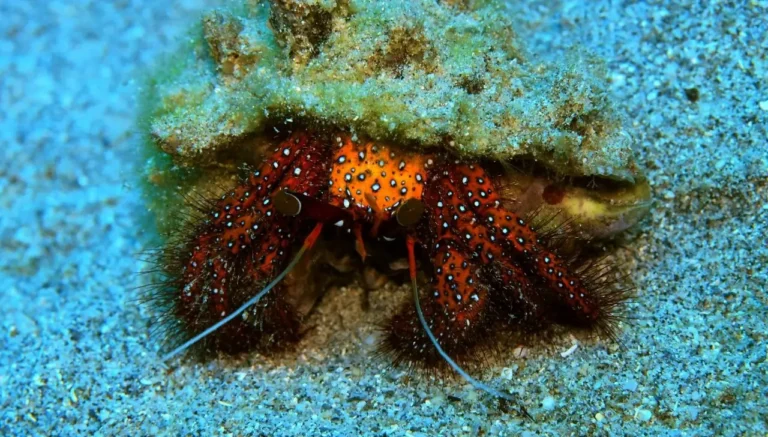
No, and this catches people out. A land hermit crab drowns. Its gills are built to take oxygen from air, not to strip it from water the way a fish does.
How long one survives underwater is not well documented, and it varies with the crab’s size and health. What is certain is that a submerged land hermit crab is in danger from the moment it goes under.
So water dishes need an easy exit. A crab that flips over and cannot climb out will die in a dish shallow enough to look harmless.
Land vs Marine Crab Breathing:
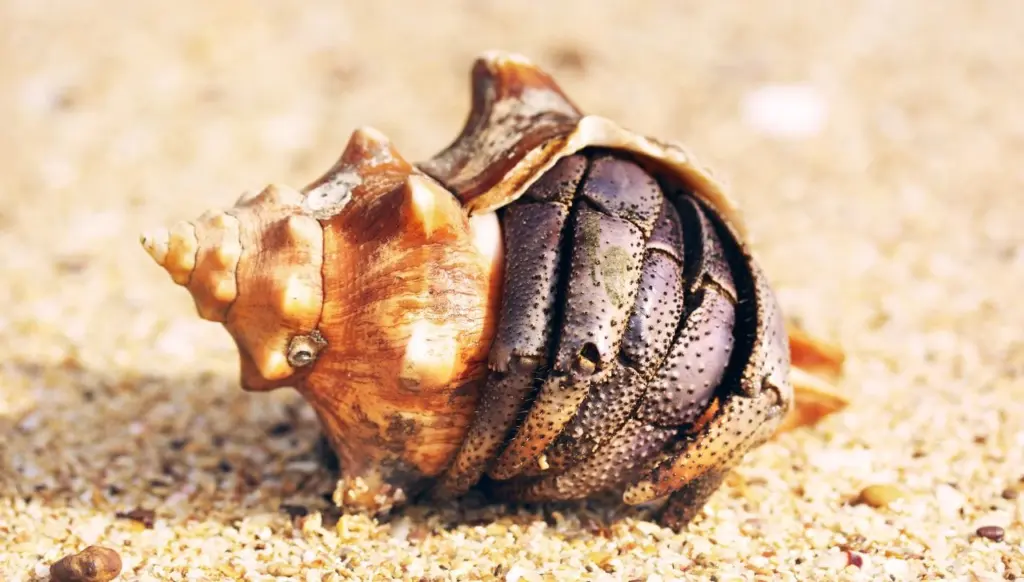
| Feature | Land hermit crab | Marine hermit crab |
|---|---|---|
| Breathes | Air, through moist gills | Water |
| Underwater | Drowns if it cannot climb out | Lives normally |
| In dry air | Suffocates as gills dry | Gills dry out fast |
| Kept as | Tank pet | Reef aquarium |
Signs of Hermit Crab Breathing Trouble
Three things suggest a crab is fighting dry air.
- Leaving the shell. A crab out of its shell is often hunting for moisture. This is serious and needs a fast response.
- Heavy bubbling. Crabs recycle water over their gills, so some bubbling is normal. Constant bubbling points to air that is too dry.
- Going still. Sluggish movement, hiding more than usual, or no interest in food.
Check the hygrometer first. Raising humidity back into range fixes most cases, though a crab that has been dry for a while takes time to recover.
Conclusion:
Everything about hermit crab breathing comes back to moisture. Wet gills pull oxygen from air, dry gills pull nothing. Check the hygrometer, keep the substrate damp, and the hardest part of keeping them alive is already handled.
(FAQs):
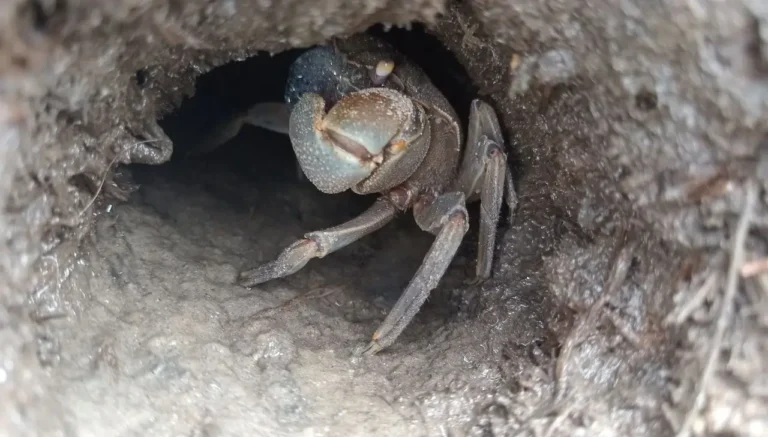
A: Yes. Damp substrate holds far more moisture than open air, so buried crabs breathe comfortably. This is one reason molting crabs stay under for weeks.
A: Only briefly. Misting spikes the level then drops it back within hours. Deep moist substrate does the real work.
A: No. They take oxygen from air, not water, so tank water needs no aeration.
A: Often yes, if caught early. Restore humidity and leave the crab alone. Damage from long dry periods may not fully reverse.
2 Comments