What Do Hermit Crabs Need in Their Tank? (Complete Supplies List)
If you are about to set up your first hermit crab tank, the sheer list of things you need can feel overwhelming. The pet store will sell you a “starter kit” with a wire cage, a sponge, painted shells, and some pellets – and almost none of it is what your crab actually needs. Here you will find every single item that should go into a proper hermit crab tank, explains why each one matters, and calls out the common stuff you should skip entirely.
The Must-Haves (Non-Negotiable)
These are the essentials. Without every single one of these, your crab’s health is at risk.
| Item | Why It Matters |
| Glass tank (10-gal min) | Holds humidity and heat. Wire cages and plastic carriers cannot. |
| Solid lid | Seals in moisture. Mesh lids leak humidity and will suffocate your crabs slowly. |
| Substrate (6+ inches) | 5:1 play sand to coconut fiber. Crabs bury themselves to molt – without depth, they die. |
| Heat mat (back wall) | Keep the tank at 75-85°F. Never place it under the tank – it cooks buried crabs. |
| Digital thermometer | Monitor temperature accurately. Cheap analog strips are unreliable. |
| Digital hygrometer | Monitor humidity (must stay 70-80%). Place probe at substrate level. |
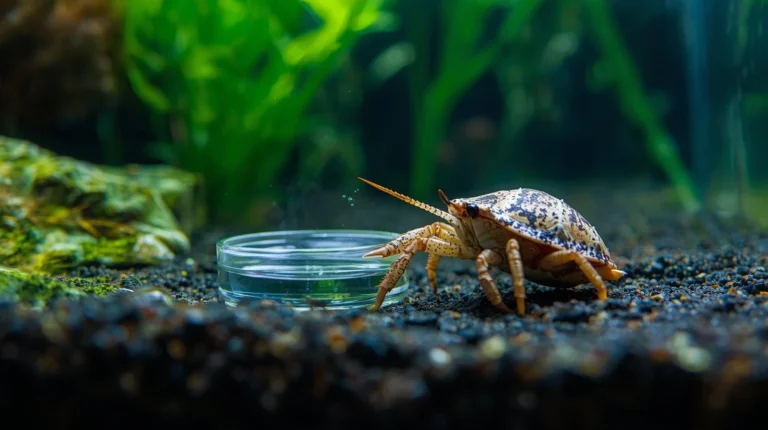
| Fresh water dish | Dechlorinated. Deep enough to submerge in. Must have a safe exit (rock, ramp). |
| Salt water dish | Marine-grade aquarium salt only. Never table salt. Same depth rules as fresh. |
| Water dechlorinator | Removes chlorine and chloramine from tap water. Both burn hermit crab gills. |
| Marine salt mix | Instant Ocean or similar. For making the salt water pool. Lasts a long time. |
| Food dish | Shallow dish for fresh food. Offer food every evening, remove leftovers in the morning. |
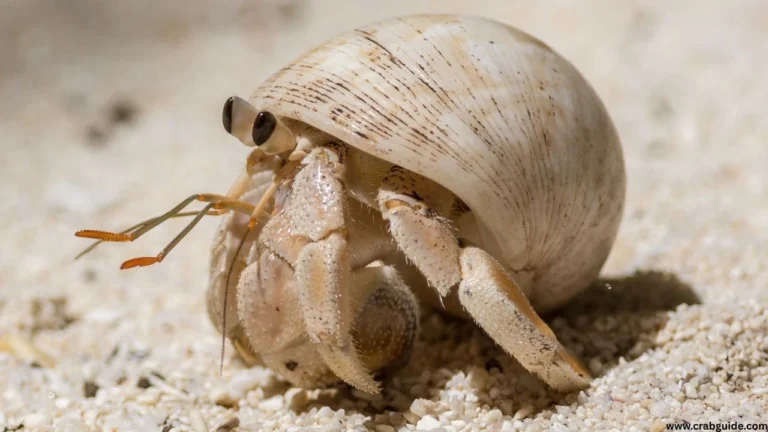
| Extra shells (3–5 per crab) | Natural, unpainted, slightly larger than current shells. Crabs need options to upgrade. |
Bonus: How to Care for Hermit Crabs
Strongly Recommended (Not Technically Essential, But Close)
You could technically run a tank without these, but your crabs will be healthier, more active, and longer-lived with them:
- Cuttlebone. Leave one in the tank at all times. Hermit crabs gnaw on it for calcium, which they need to harden their exoskeleton after every molt. Crushed eggshells or oyster shells work too, but cuttlebone is the easiest option. Cheap, lasts weeks, and available at any pet store in the bird section.
- Climbing structures. Driftwood, cork bark, coconut hides, cholla wood, fake vines, or netting attached to the tank walls. Hermit crabs are surprisingly active climbers, especially at night. A flat, empty tank with nothing to explore leads to bored, stressed crabs. Climbing also gives them exercise and access to different temperature and humidity zones within the tank.
- Hiding spots. Half coconut shells, cork rounds, small flower pots on their side, or anything they can crawl under and feel hidden. In the wild, hermit crabs hide during the day and come out at night. Without cover, they feel exposed and stressed. Two or three hiding spots scattered around the tank is ideal.
- Moss pit. A small container filled with damp sphagnum moss. It holds moisture, boosts local humidity, and gives your crabs a favorite hangout spot. Re-dampen it every few days. Some crabs will spend hours sitting in it.
- Thermostat for the heat mat. An inexpensive reptile thermostat plugs in between the heat mat and the wall outlet. Set it to your target temperature and it automatically turns the mat on and off. Without one, heat mats can overshoot in warm weather and cook the tank. This is a ten-dollar item that can save your crabs’ lives.
Bonus: What Temperature Do Hermit Crabs Need?
Nice to Have (Optional Extras)
These are not necessary, but they make your tank more interesting and your crabs more comfortable:
- Air stone and pump in a water dish – increases evaporation and helps boost humidity in larger tanks.
- Second level or shelf – gives crabs more floor space to explore without needing a bigger tank. Turtle docks or DIY platforms work well.
- Coconut fiber climbing wall – attached to the tank glass with velcro. Crabs love it and it holds moisture.
- Leaf litter – dried oak, almond, or magnolia leaves scattered on the substrate. Crabs eat them and they mimic the natural forest floor.
- Spray bottle – for quick misting with dechlorinated water if humidity dips. Not a replacement for a sealed lid, but useful as a backup.
What NOT to Put in the Tank
These are commonly sold for hermit crabs but should be avoided:
- Painted shells – paint chips leach chemicals and can poison your crabs. Natural shells only.
- Sponges – they grow bacteria and mold. They do not meaningfully raise humidity and crabs do not need them to access water.
- Gravel or calcium sand – prevents digging, cannot hold moisture, and calcium sand can compact and trap crabs.
- Heat lamps – blast dry heat that crashes humidity. Use a heat mat on the back wall instead.
- Heat rocks – create burning hot spots that injure crabs on contact. No place in a crab tank.
- Cedar or pine wood – both contain oils that are toxic to hermit crabs. Use driftwood, cork bark, or cholla wood instead.
- Metal dishes or decorations – hermit crabs are sensitive to metals. Use ceramic, plastic, or glass for food and water dishes.
- Wire cages or mesh lids – cannot hold humidity. Your crabs will slowly suffocate.
Bonus: How to Bathe a Hermit Crab
Conclusion:
A proper hermit crab tank needs thirteen essential items: glass tank, solid lid, deep substrate, heat mat, thermometer, hygrometer, two water dishes, dechlorinator, marine salt, food dish, and spare shells. Add cuttlebone, climbing structures, hiding spots, and a moss pit and you have a setup that can keep crabs healthy for decades. Skip the painted shells, sponges, gravel, and wire cages – they do more harm than good.
Frequently Asked Questions
Q1: How much does a full hermit crab setup cost?
A: A proper setup with a 20-gallon tank, substrate, heat mat, thermostat, gauges, water dishes, salt mix, dechlorinator, shells, and some climbing gear runs roughly $80 to $150 if you buy new. You can cut that significantly by finding a used tank on Facebook Marketplace or Craigslist – it does not need to be watertight since hermit crabs live on land.
Q2: Can I use things from the pet store starter kit?
A: Usually very little of it. The food dish is probably fine. The sponge, painted shells, gravel, and wire cage should all be replaced. The starter kits are designed to be cheap and look fun on a shelf, not to keep crabs alive long-term.
Q3: Do hermit crabs need light?
A: They need a normal 12-hour light and dark cycle, but natural room light handles that. You do not need to buy a special lamp. Avoid heat lamps entirely – they dry out the tank and crash humidity.