What Do Hermit Crabs Need to Survive? (7 Simple Essentials)
The great thing about hermit crabs is that they are easy to care for once you know what they actually need. With the right setup, these little creatures can live 15 to 25 years and become one of the most rewarding pets you have ever had. The trick is getting 7 basic things right from the start. None of them are expensive or complicated. This guide walks you through each one so you can give your hermit crabs the best life possible.
1. Humid Air (The Most Important One)
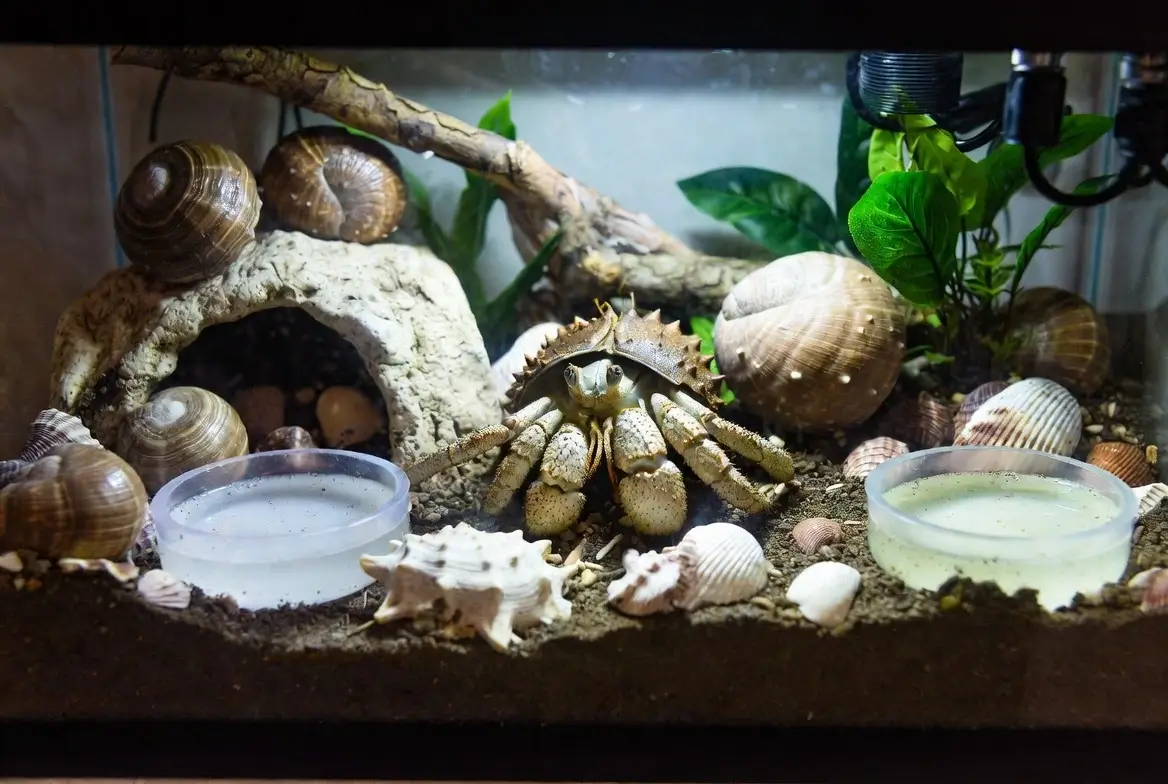
Hermit crabs breathe through modified gills that need moist air to work properly. Think of it like this – their gills are built for tropical beach air, so your job is to recreate that inside the tank. The sweet spot is 70% to 80% humidity. A glass tank with a solid lid holds this level beautifully. Add damp substrate, two water dishes, and a moss pit, and your humidity will stay steady with very little effort. A digital hygrometer placed at substrate level lets you keep an eye on things.
Bonus: How to Care for Hermit Crabs from the Ocean
2. Warm, Steady Temperature
Hermit crabs are tropical animals, so they love warmth. The ideal range is 75°F to 85°F, with the sweet spot around 78°F to 82°F. A simple heat mat stuck to the back wall of the tank keeps things nice and warm. Pair it with an inexpensive reptile thermostat and a digital thermometer, and your tank will stay in the perfect range automatically. The key is keeping it steady – hermit crabs do best when the temperature stays consistent day and night.
3. Fresh Water and Salt Water
Here is a fun fact most new owners do not know: hermit crabs need two separate water dishes – one fresh and one salt. They use both to drink, bathe, and store a custom water mix inside their shell that keeps their gills healthy. Use a water dechlorinator for the fresh dish and marine-grade aquarium salt (like Instant Ocean) for the salt dish. Both dishes should be deep enough for the crab to fully submerge, with a small rock or ramp inside so it can easily climb out. It is fun to watch them dip in and out of both pools at night.
4. Deep Substrate for Digging and Molting
Hermit crabs love to dig, and they need deep substrate to molt safely. Molting is when they shed their old skin and grow a new one – it is how they get bigger. Fill the tank with at least 6 inches of substrate using a mix of 5 parts play sand to 1 part coconut fiber, dampened to sandcastle consistency. This gives them the perfect texture for digging tunnels, building molting caves, and burrowing in for a cozy daytime nap. Watch them dig at night – they are surprisingly strong and fast once they get going.
5. Fresh, Real Food
Hermit crabs are natural scavengers and they eat a wonderful variety of foods. Offer a rotating mix of fresh fruits (mango, banana, coconut), vegetables (spinach, sweet potato, carrots), protein (dried shrimp, boiled egg, bloodworms), and calcium sources (cuttlebone, crushed eggshells). Put fresh food in every evening and clear out leftovers the next morning. You will quickly learn what your crabs love most – every crab has its own taste. Watching them discover a new food for the first time is one of the best parts of keeping them.
6. Natural Shells to Choose From
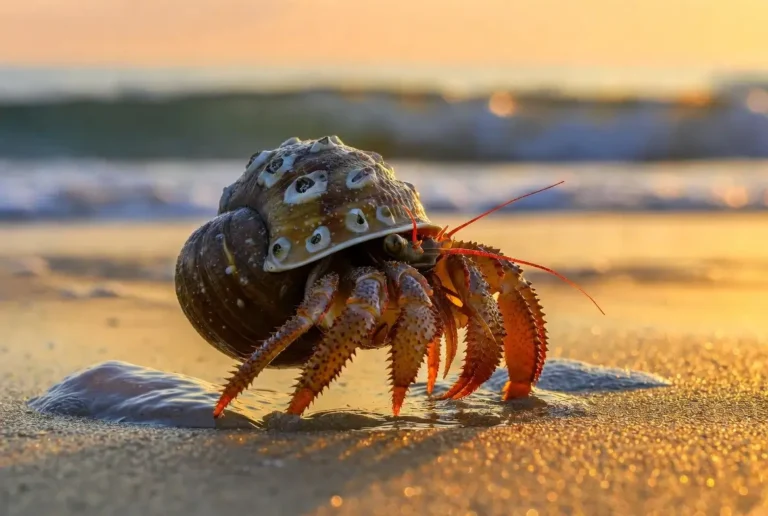
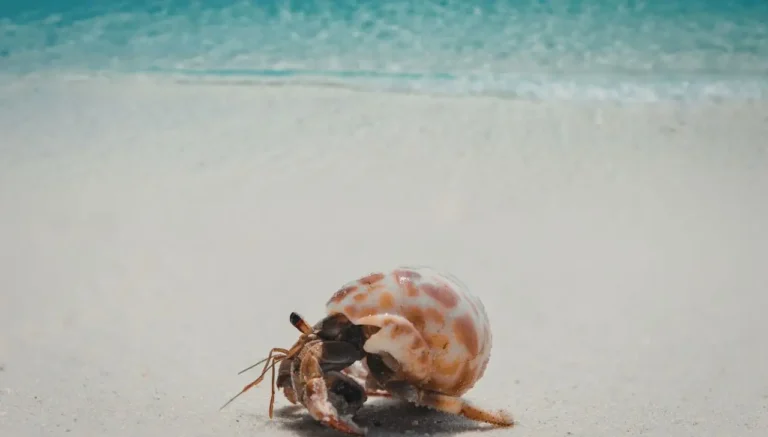
Hermit crabs love having a selection of shells to try on. Keep at least 3 to 5 extra natural, unpainted shells per crab in the tank at all times, in sizes slightly larger than what they are currently wearing. Look for shells with openings about 1/8 inch bigger than their current one. Offer a mix of round and D-shaped openings since different species have different preferences. One of the most exciting moments in hermit crab keeping is watching a shell swap – sometimes an entire group will trade shells in a chain, one after another, in just a few seconds.
7. Friends (They Are Social Animals)
Hermit crabs are happiest in groups. In the wild, they travel in colonies of dozens to hundreds. A group of at least 3 crabs is the sweet spot for beginners. Get them in different sizes to keep things peaceful and reduce shell competition. Different species like Caribbean, Ecuadorian, and Strawberry can all live together happily. Once you have a small group, you will see the difference right away – they eat together, sleep in piles, trade shells, and explore as a team. A group of hermit crabs is so much more fun than a single one.
Bonus: How to Care for Hermit Crabs
What You Can Skip
Some things commonly sold for hermit crabs are not needed and can actually cause problems. Save your money on these:
- Wire cages or mesh lids. Cannot hold humidity. A glass tank with a solid lid works much better.
- Sponges in the water dish. Not needed. Deep water dishes with a climbing ramp do the job perfectly.
- Painted shells. The paint can chip over time. Natural shells are safer and crabs prefer them.
- Heat lamps. Dry out the air too much. A heat mat on the back wall is the better choice.
- Gravel substrate. Too shallow for digging. Sand and coconut fiber give crabs what they need.
- Table salt for water. Only marine-grade aquarium salt works for the salt water dish.
Conclusion:
Hermit crabs need 7 simple things to thrive: humid air, warm temperature, fresh and salt water, deep substrate, real food, natural shells, and a few friends. Get these right and your crabs can be with you for 15 to 25 years – growing bigger, swapping shells, and surprising you with their personality every night. Once your tank is set up, daily care takes just a few minutes. These are wonderful little pets when you give them what they need.
Bonus: How Many Hermit Crabs Should You Get?
Frequently Asked Questions
Q1: Do hermit crabs need salt water?
A: Yes. They use it to balance their body chemistry, keep their gills healthy, and strengthen their exoskeleton after molting. Both fresh and saltwater dishes are essential.
Q2: Do hermit crabs need sunlight?
A: They need a natural 12-hour light and dark cycle, but normal room light handles that perfectly. No special lamp needed.
Q3: Is keeping hermit crabs expensive?
A: Not at all. A proper setup costs around $80 to $150 if you buy new, and even less with a used tank. After the initial setup, the ongoing cost is just food, salt mix, and the occasional new shell – very affordable.