How to Care for Hermit Crabs: Complete Beginner Guide
Most hermit crabs die within their first year as pets. Not because they are fragile – they can actually live 15 to 25 years – but because most owners do not know how to care for them properly. The painted shells, the tiny plastic cage, the sponge in the water dish – almost everything sold at pet stores for hermit crabs is wrong. This guide covers what they actually need to thrive, written for complete beginners.
Tank Setup
Start with a glass tank – at least 10 gallons for two crabs. Bigger is always better. Wire cages, plastic carriers, and tiny critter keepers do not hold humidity and will slowly kill your crabs. You need a glass tank with a solid lid to trap moisture inside.
Fill it with at least six inches of substrate. The best mix is five parts play sand to one part coconut fiber, dampened to sandcastle consistency. This gives them enough depth to bury themselves for molting. Gravel, calcium sand, and painted rocks are all bad choices – they prevent digging and can injure the crabs.
Temperature and Humidity
This is where most beginners fail. Hermit crabs are tropical animals. They need the tank to stay between 75-85°F and humidity between 70-80% at all times. Use a heat mat stuck to the back of the tank (never underneath) and a digital thermometer and hygrometer to monitor conditions. Do not guess. Low humidity damages their gills and they will slowly suffocate over days or weeks without you realizing anything is wrong.
Bonus: How to Set Up a Hermit Crab Tank
Fresh and Salt Water
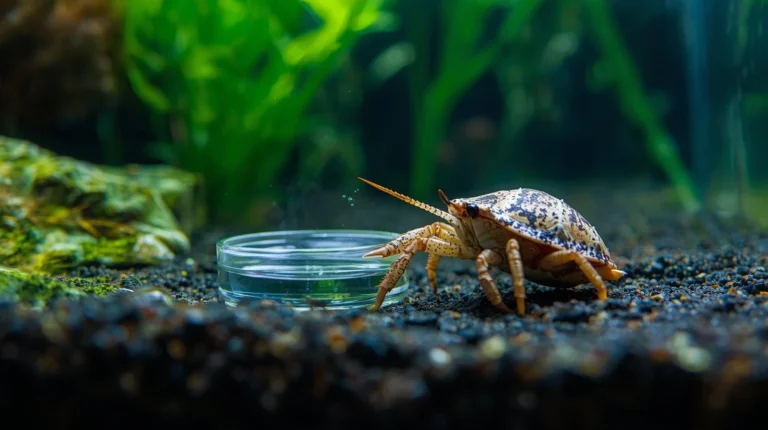
Hermit crabs need two water dishes – one with fresh water and one with salt water. Both must be deep enough that the crab can submerge itself but with a way to climb out so it does not drown. Use a water dechlorinator for the fresh water and marine-grade aquarium salt for the salt water. Never use table salt. Throw away the sponge that came with the pet store kit – it breeds bacteria and does nothing useful.
What to Feed Them
Forget the commercial pellets. Most contain preservatives that are harmful with long-term use. Instead, feed a rotating mix of fresh fruits (mango, coconut, banana), vegetables (spinach, carrots, sweet potato), protein (dried shrimp, plain cooked egg), and calcium sources (cuttlebone, crushed eggshells). Offer fresh food every evening and remove leftovers the next morning.
Shells Care
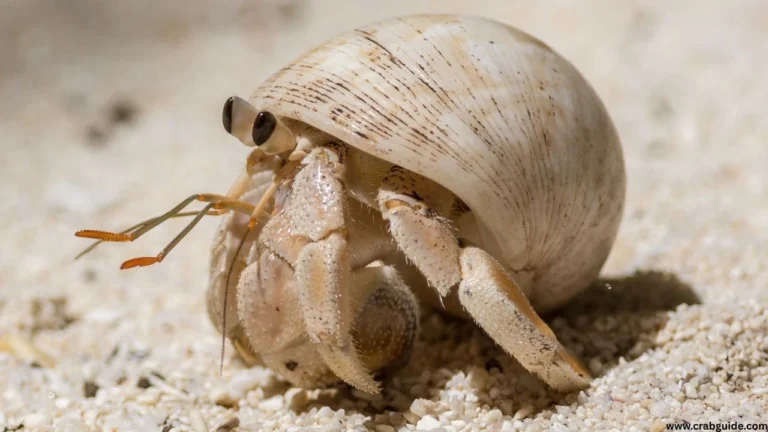
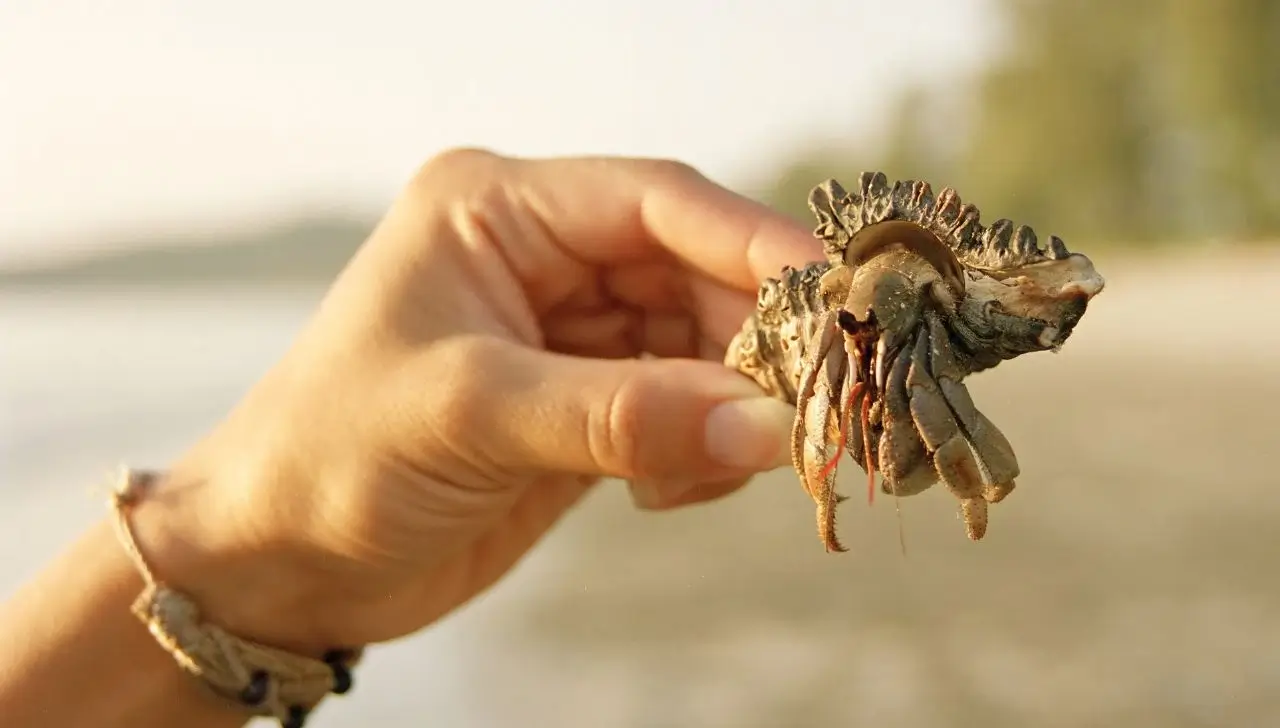
Keep at least three to five extra shells per crab in the tank at all times. They should be natural, unpainted, and slightly larger than what the crab is currently wearing. Painted shells chip and leach chemicals. If your crab came home in a painted shell, offer natural alternatives immediately and let it switch on its own. Never force a crab out of its shell.
Bonus: What Size Tank Do Hermit Crabs Need?
Company
Hermit crabs are social animals. In the wild they live in groups of hundreds. A single crab kept alone will become stressed, inactive, and often stops eating. Always keep at least two or three together. They rarely fight as long as there are enough shells and food to go around.
Molting
Your crab will periodically bury itself for weeks or months to shed its old skin and grow a new one. This is completely normal. The only rule is: do not dig it up. Do not touch it, move it, or check on it. A molting crab is extremely fragile and any disturbance can be fatal. Leave it alone, keep conditions steady, and it will come back up on its own.
Bonus: How to Keep Humidity Up in a Hermit Crab Tank
Conclusion:
Hermit crab care comes down to six things: a proper glass tank, deep substrate, warm and humid air, fresh and salt water, real food, and natural shells. Get those right and your hermit crab can live for decades. Get them wrong and it will not last the year.
FAQs:
Q1: Are hermit crabs hard to take care of?
A: Not once you get the setup right. The initial effort is in building a proper tank with correct temperature, humidity, substrate, and water. After that, daily care is just feeding them, changing water, and leaving them alone.
Q2: How long do hermit crabs live with proper care?
A: 15 to 25 years for most species. Some have lived over 40. The crabs that die in a few months almost always died from poor conditions, not old age.
Q3: What is the biggest mistake new hermit crab owners make?
A: Following the pet store’s advice. The wire cages, painted shells, sponges, gravel, and pellets they sell are all wrong. A glass tank, deep sand, proper humidity, and fresh food is what your crab actually needs.