How Long Does Hermit Crab Molting Take? (By Size)
How long does hermit crab molting take? The honest answer is: it depends. A tiny crab might be done in a week. A jumbo crab could stay underground for four months. There is no single number that applies to every crab, but there are solid ranges based on size that will help you know what to expect – and when to start worrying.
How Long Do Hermit Crabs Molt? (Table)

The bigger the crab, the longer the molt. Here is a general breakdown:
| Crab Size | Molt Duration | Molt Frequency | Total Underground |
| Micro / Teeny | ~1 week | Every month | Up to 4 weeks |
| Small | 2–3 weeks | Every 1–3 months | 3–5 weeks |
| Medium | 3–6 weeks | Every 2–5 months | 5–8 weeks |
| Large | 4–8 weeks | Every 4–10 months | 6–12 weeks |
| Extra Large | 6–8 weeks | Every 10–12 months | 8–16 weeks |
| Jumbo | 8–16 weeks | Every 12–24 months | 3–6+ months |
Keep in mind these are general ranges. Every crab is different. Some finish faster, some take longer. The “total underground” time includes not just the actual shedding, but also the resting before and recovery after – which is where most of the time is actually spent.
Bonus: Hermit Crab Molting
Why Does It Take So Long?
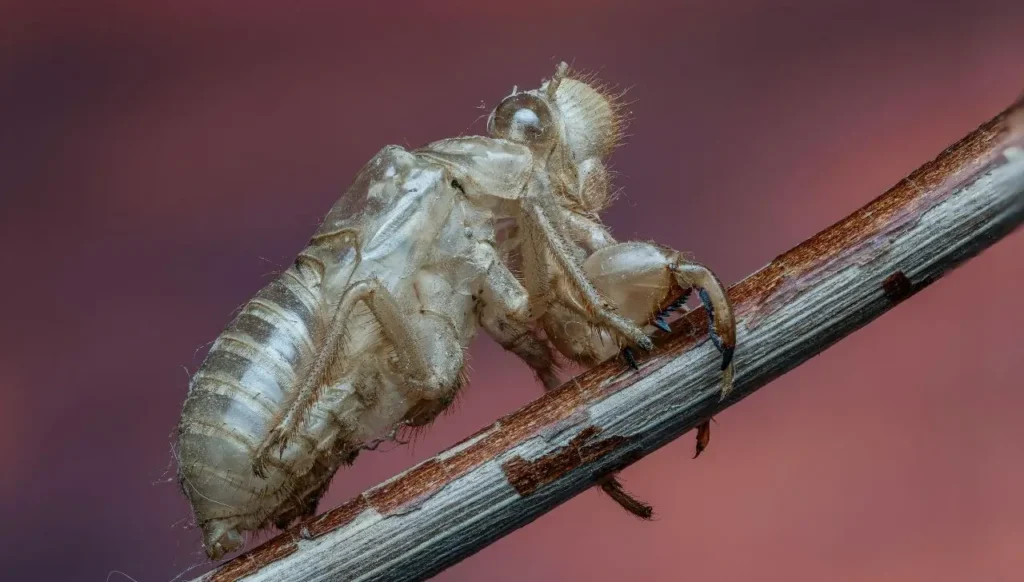
The actual shedding of the old skin happens in under an hour. So what is the crab doing the rest of the time? A lot. Before shedding, the crab needs days or weeks to store up enough fat and water to survive underground. After shedding, it is completely soft and helpless. The new exoskeleton takes time to harden, and the crab needs to eat its old skin to get the calcium back. Then it rests until it feels strong enough to dig back up. All of that adds up.
What Makes a Molt Take Longer Than Usual?
Several things can stretch out the timeline:
- Stress. A crab that was recently bought, moved, or kept in poor conditions will often take much longer because it needs extra recovery time.
- Regrowing limbs. If the crab loses a leg or claw, it will grow it back during the molt. This takes additional energy and time.
- Low temperatures. Colder tanks slow everything down. Keeping the tank at 75-85°F helps molts stay on schedule.
- Poor nutrition. A crab that was not eating a varied, calcium-rich diet before molting may take longer to harden its new exoskeleton.
- Back-to-back molts. Some crabs molt, come up briefly, and then go back down to molt again. This can double the total underground time.
Bonus: How to Tell If Your Hermit Crab Is Molting
When Should You Start Worrying?
Honestly, not for a long time. Even if your crab has been underground for months, that alone is not a reason to dig it up. The only reliable warning sign is smell.
If you notice a strong, rotting fish odor coming from the area where the crab buried itself, that is a sign something may have gone wrong. Otherwise, assume the crab is fine and leave it alone. There are documented cases of crabs staying underground for over a year and surfacing perfectly healthy.
Conclusion:
Hermit crab molting takes anywhere from a week to several months depending on size. The best thing you can do is keep conditions steady, offer good food, and wait. Your crab will come back up when it is ready.
Frequently Asked Questions
Q1: Can a hermit crab molt in just a few days?
A: The actual shedding takes less than an hour, but the full cycle including preparation and recovery is rarely under a week. Very tiny crabs come closest to a quick turnaround.
Q2: My crab has been underground for three months. Should I dig it up?
A: No. Three months is completely normal for a medium to large crab. If there is no bad smell, leave it alone. Digging it up mid-molt can kill it.
Q3: How will I know the molt is finished?
A: The crab will resurface on its own. It will look brighter, have sharp black claw tips, and may seem more active than before. If it comes up looking healthy and eating well, the molt was a success.