How to Bathe a Hermit Crab (Safe Bathing Guide)
Should you bathe your hermit crab? The answer is more nuanced than most care guides let on. Bathing is one of the most debated topics in the hermit crab community. Some owners bathe their crabs regularly. Many experienced keepers say it is completely unnecessary and actually stressful – as long as you provide proper water pools in the tank. Both sides have good points, and the truth is somewhere in the middle.
Do Hermit Crabs Actually Need Baths?
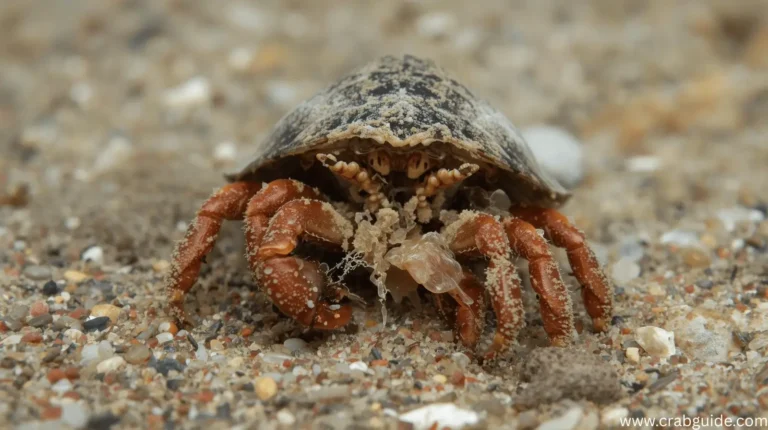
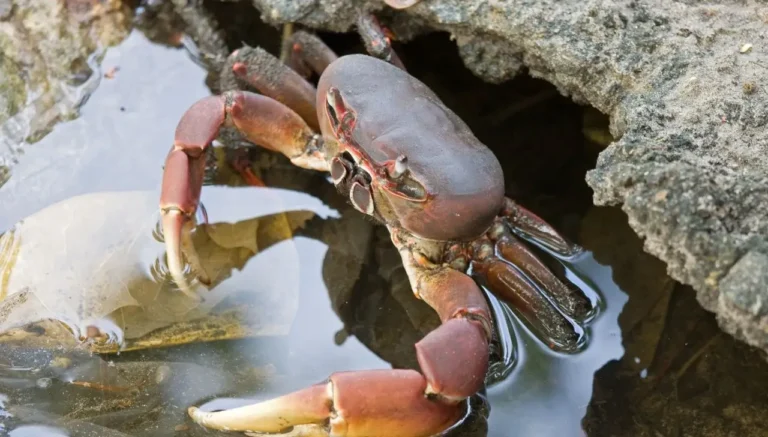
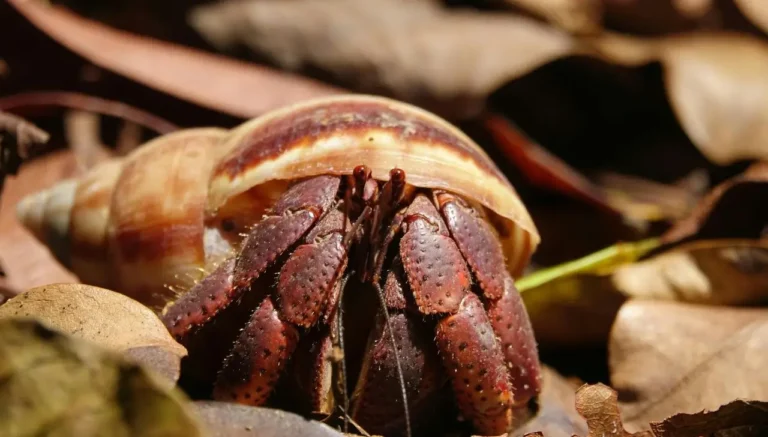
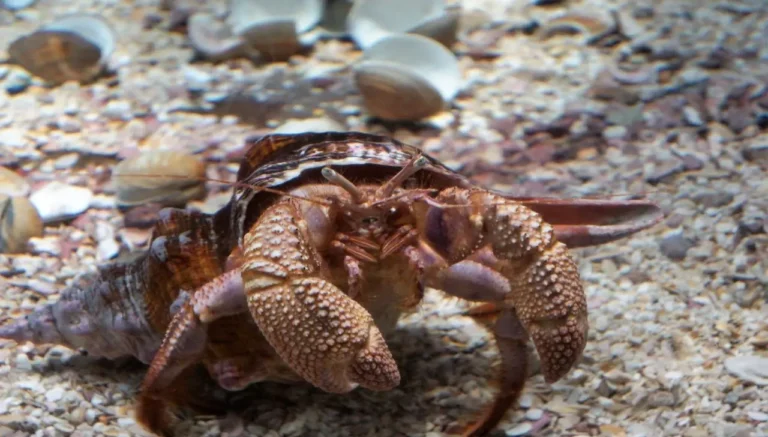
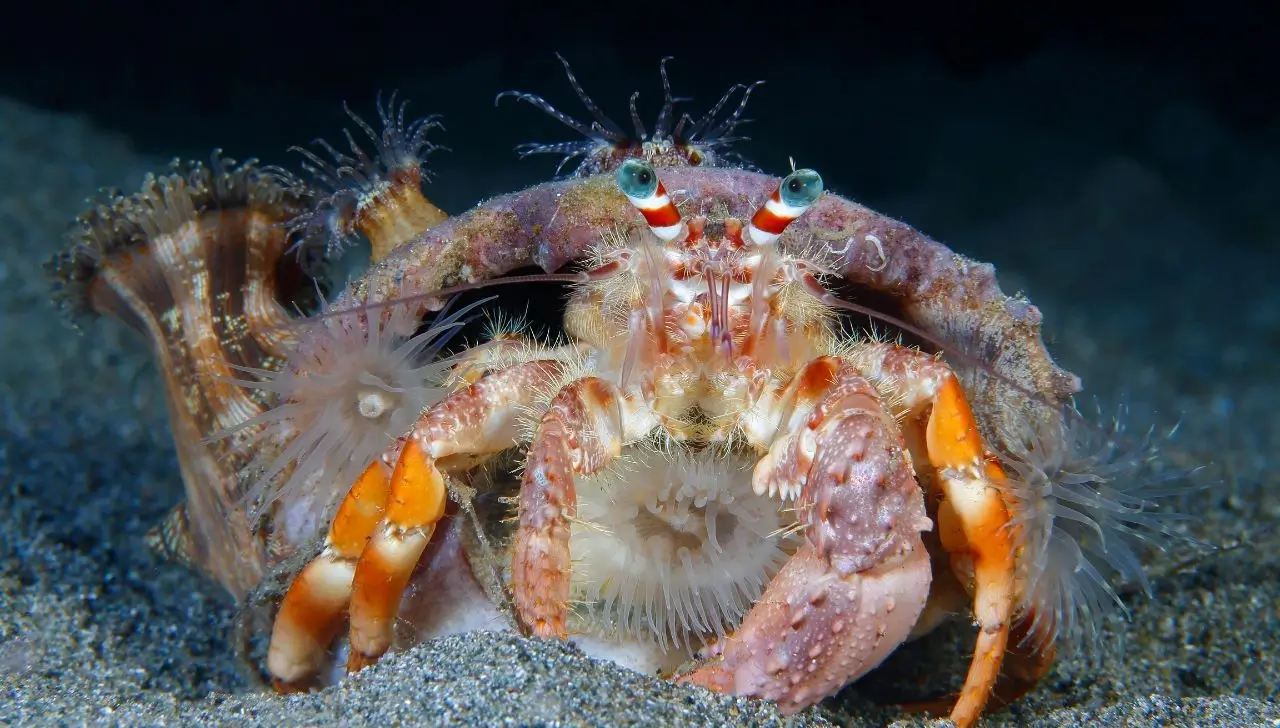
Here is the honest answer: if your tank has deep enough fresh and saltwater pools, your crabs will bathe themselves. In the wild, nobody is dunking hermit crabs in water. They walk into the ocean or tide pools on their own, submerge, flush out their shell, hydrate their gills, and walk back out. If your tank setup gives them the same option – two water dishes deep enough to fully submerge in, with a safe way to climb out – they will handle their own hygiene. Most veteran crab owners have moved away from manual bathing entirely for this reason.
That said, there are specific situations where a hands-on bath is genuinely helpful and sometimes necessary.
Bonus: How to Care for Hermit Crabs
When You SHOULD Bathe Your Hermit Crab
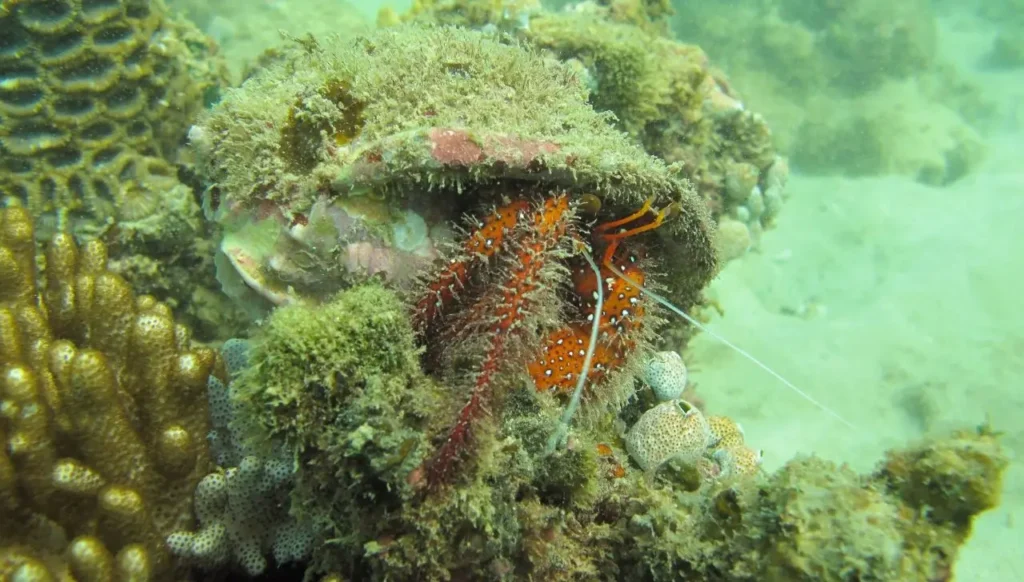
There are a handful of situations where giving your crab a bath makes sense:
- When you first bring a crab home from the pet store. Pet store crabs have been through a lot – captured from the wild, shipped in poor conditions, kept in dry tanks. A gentle bath in lukewarm dechlorinated salt water helps rehydrate their gills, flush out debris from their shell, and wash off any grime. It also makes new crabs smell similar to your existing crabs, which reduces the chance of aggression when they are introduced to the tank.
- If you suspect mites. Tiny white or brown mites are a common parasite. A saltwater bath is the safest way to flush them off the crab and out of the shell. If you spot mites, bathe the crab, then deep-clean the entire tank and replace the substrate.
- After a crab finishes molting and resurfaces. Freshly molted crabs still carry the scent of their shed exoskeleton, which can smell like food to other crabs. A quick, gentle rinse in salt water washes off that smell and helps prevent tank mates from trying to eat the freshly molted crab.
- If food is rotting inside the shell. Hermit crabs sometimes hoard bits of food inside their shell, and it can start decomposing. If you notice a bad smell coming from a crab that is otherwise active and healthy, a bath can help flush it out.
How to Give a Hermit Crab a Bath?
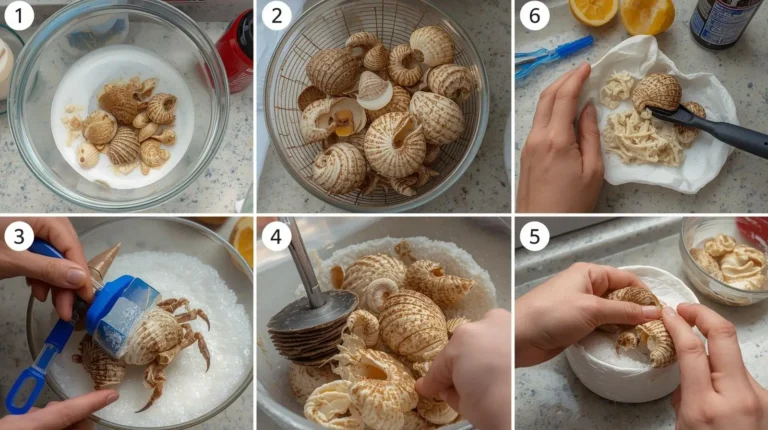
If you have decided a bath is needed, here is how to do it without stressing or hurting your crab:
- Prepare the water. Use dechlorinated water mixed with marine-grade aquarium salt (like Instant Ocean). Never use table salt or tap water straight from the faucet – chlorine burns their gills. The water should be lukewarm, around 75-80°F. Not hot, not cold. If it feels comfortable on your wrist, it is fine.
- Use a shallow container. A small bowl, tupperware, or dish works. Fill it about one to two inches deep – enough for the crab to submerge its shell but shallow enough that it can easily stand and climb out. Place a small rock or piece of coral inside so the crab has something to grip.
- Place the crab gently. Set the crab into the water with the shell opening facing upward. This lets water flow into the shell and flush out debris. Do not flip the crab upside down or force it underwater. Let it move at its own pace. Some crabs will come out and walk around. Others will stay tucked inside their shell. Both responses are normal.
- Keep it short. One to two minutes is enough for most baths. For mite removal, you can extend it to three to five minutes. Never leave a crab unattended in water – while they can hold their breath for a while, they can drown if they cannot get out.
- Dry and return. Lift the crab out gently and set it on a dry paper towel for a minute to drip off. Then place it back in the tank. Do not blow-dry it or put it in direct sunlight to dry.
Bonus: How to Keep Humidity Up in a Hermit Crab Tank
Bathing Mistakes to Avoid
A few things that are commonly recommended online but are actually harmful or unnecessary:
- Do not use tap water. Chlorine and chloramine in untreated tap water damage their gills. Always dechlorinate first.
- Do not use table salt. It contains iodine and anti-caking agents that are toxic to hermit crabs. Only use marine-grade salt.
- Do not bathe on a schedule just for fun. If your tank has proper water pools, routine baths cause more stress than benefit. Only bathe when there is an actual reason.
- Do not force a crab out of its shell. If it stays tucked inside during the bath, that is fine. The water still gets in. Pulling on a crab to force it out can injure or kill it.
- Do not pour water directly into the shell. This is extremely stressful. Imagine someone pouring water down your shirt while holding you in place. Let the water flow in naturally when the crab is submerged.
The Better Long-Term Solution: Let Them Bathe Themselves
Instead of bathing your crabs by hand, set up your tank so they never need it. Provide two water dishes – one fresh, one salt – that are deep enough for your largest crab to fully submerge. Add a small rock, piece of coral, or plastic canvas inside each dish so crabs can climb out safely. Change the water every one to two days. With this setup, your crabs will bathe, drink, soak, and replenish their shell water entirely on their own, whenever they feel the need. No stress, no handling, no schedule required.
Bonus: What Temperature Do Hermit Crabs Need?
Conclusion:
The best bath is the one your crab gives itself. Set up proper water pools and your crabs will handle their own hygiene. Save the hands-on bathing for the specific situations that actually call for it – new arrivals, mites, post-molt, and shell cleaning. When you bathe, keep it gentle, short, and always use dechlorinated salt water.
FAQs:
Q1: How often should I bathe my hermit crab?
A: Only when there is a specific reason – new crab from the store, mites, post-molt smell, or rotting food in the shell. If your tank has proper water pools, routine baths are unnecessary.
Q2: Can hermit crabs drown in the bath?
A: Yes. They can hold their breath for a while, but if they cannot climb out of a deep container, they will eventually drown. Always use a shallow dish with something to grip and never leave them unattended.
Q3: Should I use fresh water or salt water for the bath?
A: Salt water is preferred for most bathing situations – gill hydration, mite removal, and post-molt rinsing. Use dechlorinated water mixed with marine-grade aquarium salt. Strawberry hermit crabs in particular need saltwater access and can become seriously ill without it.