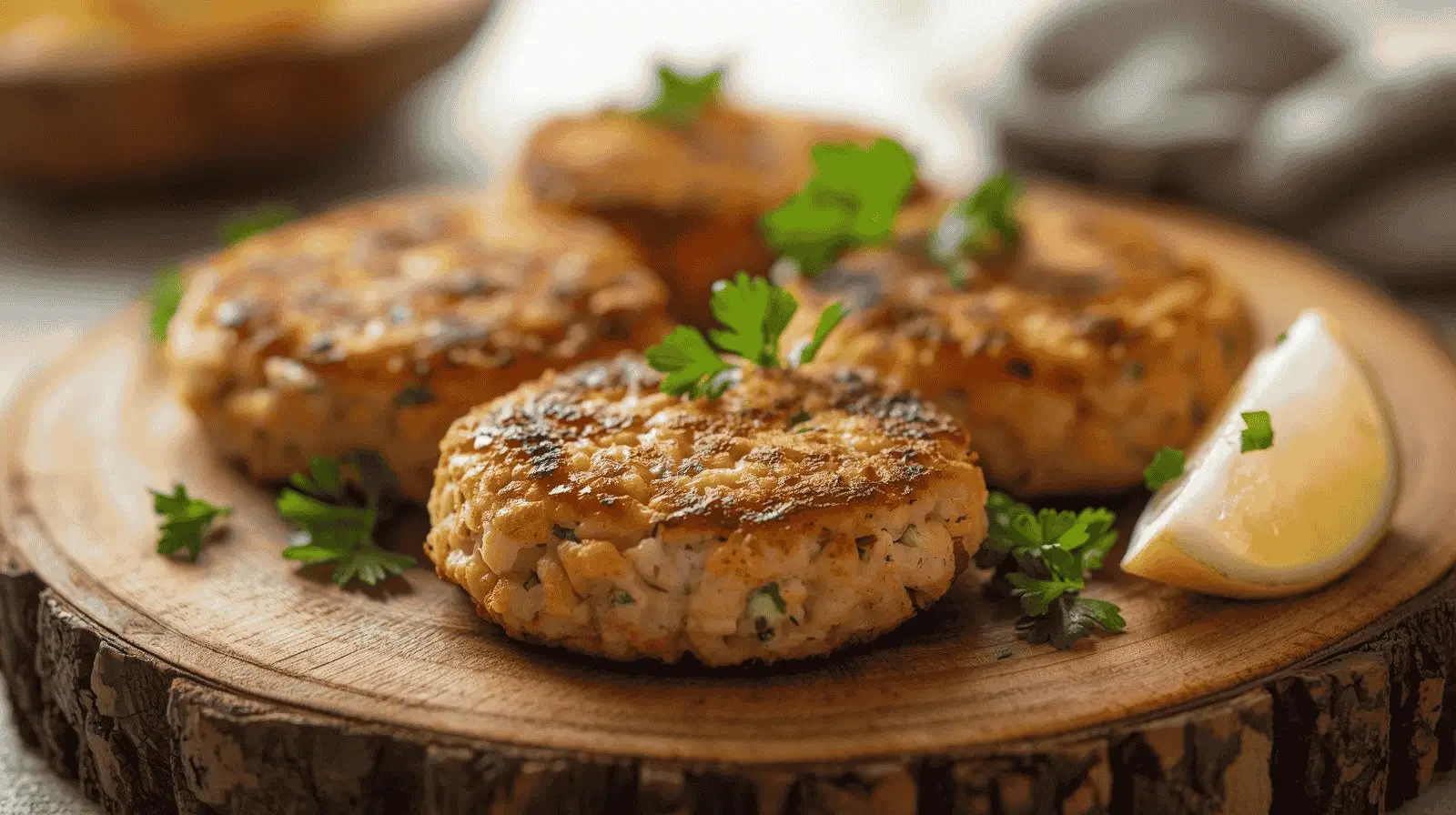
Best Gluten Free Crab Cakes: Tips & Recipes
The best gluten-free crab cakes are moist, flavorful, and hold together without traditional breadcrumbs. Achieving the perfect texture and taste requires balancing fresh crab meat with the right gluten-free binders like almond flour, coconut flour, or gluten-free panko. Whether you want to bake them, fry them, or make them in an air fryer, choosing the right seasoning and preparation method is key.
Gluten-Free Crab Cakes Air Fryer: Quick and Crispy
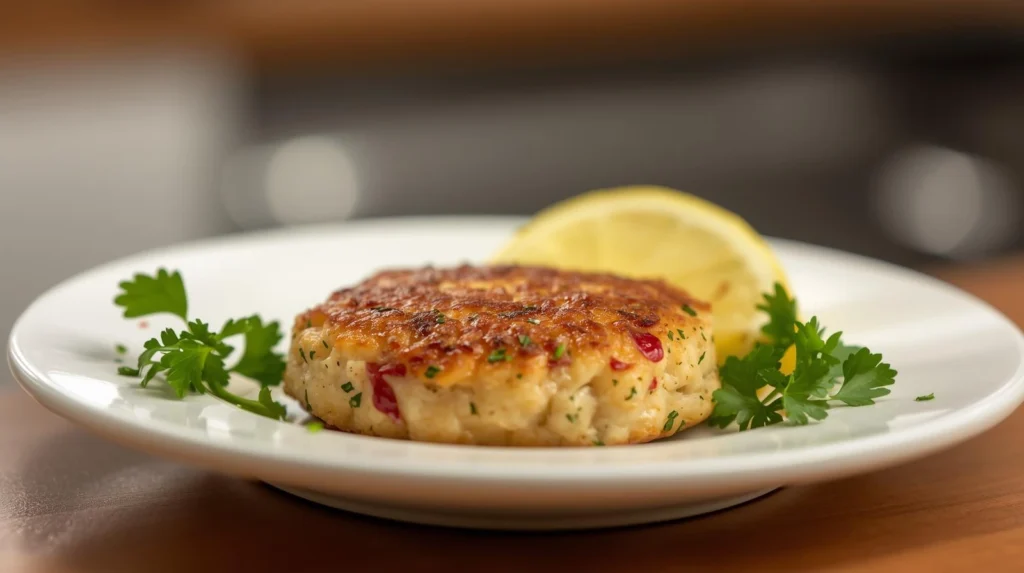
Cooking crab cakes in an air fryer is an easy way to get a crispy outside without extra oil. Gluten-free crab cakes air fryer versions use gluten-free flours or panko to maintain a firm crust.
Tips for perfect air fryer crab cakes:
- Preheat the air fryer for even cooking.
- Lightly spray the crab cakes with oil for a golden crust.
- Cook at 375°F for 10–12 minutes, flipping halfway.
Air frying keeps crab cakes light, prevents sogginess, and enhances the natural flavor of the crab.
Gluten-Free Crab Cakes Frozen: Convenience Without Compromise
Frozen crab cakes are a convenient way to enjoy seafood at home. Gluten free crab cake frozen varieties are available in many stores or can be prepped and frozen at home.
How to get the best results:
- Thaw completely in the fridge before cooking.
- Bake or air fry for even heat without breaking the cakes.
- Season lightly before cooking to enhance flavor.
Frozen options are perfect for last-minute meals while still maintaining the delicate texture that makes the best gluten-free crab cake stand out.
Gluten-Free Crab Cakes Baltimore Style: Regional Flavor
Baltimore is famous for its crab cake, and gluten-free versions can capture that authentic taste. Gluten free crab cakes Baltimore style usually feature jumbo lump crab, minimal fillers, and simple seasoning.
Key tips:
- Use just enough gluten-free binder to hold the cake together.
- Season lightly with Old Bay or paprika.
- Serve with a squeeze of lemon or homemade aioli.
This style emphasizes the crab flavor while keeping the cake firm, moist, and naturally gluten-free.
Special Variations: Coconut Flour and Egg-Free Options
For dietary preferences, there are options like gluten free crab cake with coconut flour or gluten free egg free crab cake. Coconut flour adds a subtle sweetness and holds moisture well, while egg-free versions can use flaxseed or chia seeds as binders.
Other tips:
- Combine coconut flour with gluten-free panko for structure.
- Adjust liquid ingredients to maintain moistness.
- Add fresh herbs for extra flavor without gluten.
These variations ensure everyone can enjoy the gluten-free crab cake regardless of dietary restrictions.
Conclusion
The best gluten-free crab cakes combine fresh crab, the right binders, and careful cooking. Whether you prefer air fryer, baked, frozen, Baltimore-style, or coconut flour/egg-free versions, each approach can deliver tender, flavorful crab cakes. With simple tips and the right ingredients, anyone can enjoy restaurant-quality, gluten-free crab cake at home.
FAQs
Q1: Where to buy gluten free crab cakes?
Ans: Look for local seafood markets, specialty grocery stores, or online retailers. Make sure to check labels for certified gluten-free products.
Q2: What is the best binder for crab cakes?
Ans: Common binders include gluten-free panko, almond flour, coconut flour, or egg substitutes. They hold the crab together without affecting taste.
Q3: What’s the secret ingredient in good crab cakes?
Ans: Fresh crab, minimal fillers, and a touch of seasoning like Old Bay, parsley, or lemon zest make the flavor shine.
Q4: What is the trick to gluten-free baking?
Ans: Use moisture-retaining ingredients, avoid overmixing, and choose gluten-free flours that mimic traditional texture for perfect results.