How to Cook Frozen King Crab Legs Perfectly at Home
King crab legs are one of the most impressive things you can serve at home, and they’re surprisingly easy to prepare. Since they’re almost always pre-cooked before freezing, all you’re really doing is warming them through – not cooking them from raw. That distinction matters because it means the window between perfectly heated and overcooked is narrow. Go too long and the sweet, delicate meat turns tough and rubbery.
The three best methods are steaming, baking, and boiling. Each one works well from frozen with no thawing required. A quick rinse, a few minutes of gentle heat, and a side of warm garlic butter are all it takes to put a restaurant-quality meal on the table.
Ingredients:
For 2-3 lbs of frozen king crab legs, serving approximately 4 people, you’ll need very little beyond the crab itself. Have 1-2 cups of water ready for steaming or boiling. A sliced lemon, a couple of bay leaves, or a generous shake of Old Bay seasoning are all optional but add a nice layer of flavor. For serving, prepare melted butter with minced garlic and fresh lemon wedges.
Recommended Methods to Cook Frozen King Crab Legs

1: Steaming – Best for Flavor and Texture
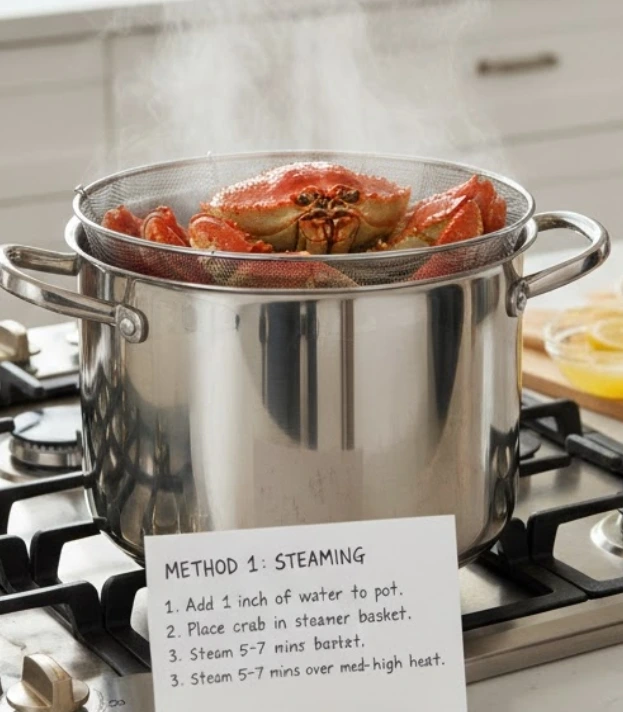
Steaming is the top choice for a reason. It warms the crab gently without submerging it in water, which means the meat retains all of its natural moisture and sweetness. There’s no risk of waterlogging, and the result is juicy, tender crab with clean flavor.
Step 1: Rinse the frozen crab legs under cold running water to remove the ice glaze. This thin layer of ice protects the meat during storage, but leaving it on can cause uneven heating. Pat the legs dry if needed.
Step 2: Fill a large pot with 1-2 inches of water – just enough to produce steam without touching the crab. Add optional lemon slices, bay leaves, or seasoning to the water for extra flavor that will carry through the steam.
Step 3: Insert a steamer basket or rack into the pot. The crab legs need to sit above the water level, not in it.
Step 4: Bring the water to a full rolling boil over high heat before adding the crab. Starting with boiling water ensures consistent steam from the first minute.
Step 5: Place the crab legs in the steamer basket. Bend the leg clusters or use kitchen shears to cut them if they don’t fit. Cover the pot tightly with a lid to trap the steam inside.
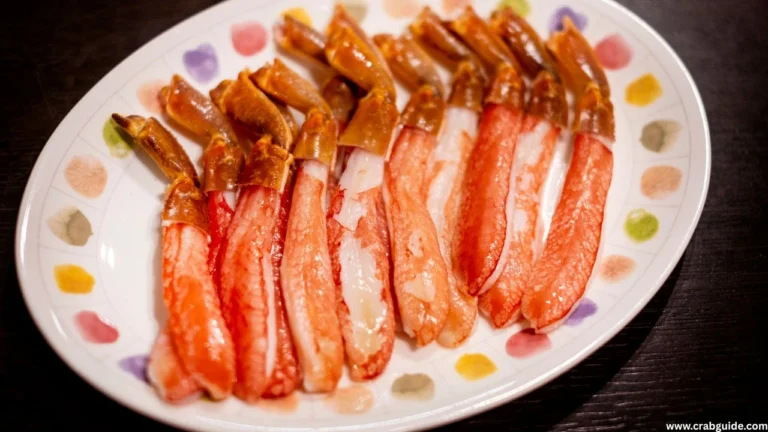
Step 6: Steam for 8-10 minutes from frozen. The legs are ready when the shells have brightened to a vivid orange-red and you can smell a fresh, clean seafood aroma. The meat inside should be steaming hot when you crack a leg open to check.
Step 7: Remove immediately and serve hot. Don’t let them sit in the pot with the lid on – residual steam will continue cooking them.
2: Baking – Best for Hands-Off Cooking
Baking is the most convenient method, especially when you’re preparing a larger batch or want to infuse the crab with butter flavor while it heats. It frees up your stovetop and requires very little attention once the legs are in the oven.
Step 1: Preheat your oven to 375°F (190°C). Give it time to reach the full temperature before the crab goes in.
Step 2: Rinse the frozen crab legs under cold water to remove the ice glaze and pat them dry.
Step 3: Arrange the legs in a single layer on a baking sheet lined with parchment paper or aluminum foil. Don’t stack them – each leg needs direct exposure to the heat for even warming.
Step 4: Brush the legs generously with melted butter or olive oil. Sprinkle lightly with seafood seasoning, garlic powder, or a squeeze of lemon juice. For extra moisture, add a small splash of water to the baking sheet before covering.
Step 5: Cover the baking sheet loosely with aluminum foil. This traps steam and prevents the meat from drying out during the longer cook time.
Step 6: Bake for 20-25 minutes from frozen. Halfway through, open the foil and baste the legs with more melted butter for even richness and better color.
Step 7: For a slightly crisp, caramelized shell, remove the foil for the last 2-3 minutes of baking. Watch closely during this step – the butter can burn quickly under direct heat.
Step 8: Remove from the oven and serve immediately with the pan juices drizzled over the top.
3: Boiling – Fastest Method
Boiling is the quickest way to heat crab legs, but it’s the least forgiving. The direct contact with hot water can wash away some of the crab’s natural sweetness and make the meat slightly waterlogged if you leave them in too long. Use this method when speed is the priority.
Step 1: Fill a large pot with enough water to fully submerge the crab legs. Bring it to a rolling boil over high heat. Season the water with salt, Old Bay, or a squeeze of lemon if desired – this helps offset any flavor lost to the water.
Step 2: Rinse the frozen crab legs briefly under cold water to remove the ice glaze.
Step 3: Submerge the legs completely in the boiling water.
Step 4: Boil for 4-6 minutes from frozen – just until warmed through. This is the method where timing matters most. Even an extra minute or two can affect the texture.
Step 5: Drain immediately in a colander. Don’t leave them sitting in the hot water, as they’ll continue absorbing moisture and cooking.
Step 6: Serve right away while the meat is still hot and firm.
Bonus: How to Reheat Crab Rangoon in Air Fryer
Tips for Success

Always cook from frozen.
Thawing king crab legs before cooking often leads to mushy, overcooked meat. The frozen state actually protects the texture during heating. If you must thaw, do it slowly in the refrigerator overnight – never at room temperature.
Rinse off the ice glaze first.
That thin layer of ice on the outside exists to protect the meat in storage, but it can cause uneven heating and sometimes carries a mild freezer taste. A quick rinse under cold water takes care of it.
Don’t overcook.
This is the single most common mistake. The crab is already fully cooked – you’re just warming it. Every extra minute past the recommended time pushes the meat closer to tough and rubbery.
Use kitchen shears to split the shells.
Cutting along the length of each leg before serving makes them much easier to eat and looks more polished on the plate. It also lets butter and seasoning reach the meat directly.
Don’t overcrowd the pot or pan.
Whether steaming, baking, or boiling, give the legs room. Overcrowding creates uneven heating – some legs will be perfectly done while others are still cold in the center. Cook in batches if needed.
Serve immediately.
Crab legs taste dramatically better when eaten hot. Once they start cooling, the texture changes and the butter solidifies. Have everything else ready before the crab comes off the heat.
Add flavor to your cooking liquid.
A few lemon slices, a splash of white wine vinegar, bay leaves, or Old Bay seasoning in the steaming or boiling water adds subtle flavor that makes a real difference.
Common Mistakes to Avoid
- Thawing at room temperature – this puts the crab in the temperature danger zone (40-140°F) where bacteria grow quickly. Always cook from frozen or thaw slowly in the refrigerator.
- Boiling for too long – even 1-2 extra minutes of boiling can make the meat waterlogged and rubbery. Set a timer and drain the moment it goes off.
- Skipping the rinse – the ice glaze can add 2-3 minutes of unexpected cook time and cause some sections to heat faster than others.
- Microwaving – it heats unevenly, creates rubbery spots, and dries out the delicate meat. Avoid it entirely if you can.
- Reheating multiple times – each reheating cycle degrades the texture further. Only heat what you plan to eat in one sitting.
- Not having serving tools ready – crab legs require crackers, shears, or picks. Scrambling for tools while the crab cools on the table wastes the best eating window.
Bonus: How to Cook Frozen King Crab Legs
Conclusion:
Cooking frozen king crab legs at home is simple and rewarding when done carefully. By steaming, baking, or boiling just until heated, you preserve the sweet, tender meat and avoid toughness. Always cook from frozen when possible, avoid overcooking, and serve immediately with warm garlic butter and lemon for a restaurant-quality meal that’s easy to enjoy at home.
Bonus: How to Heat Crab Legs in the Oven?
FAQs:
Q1: Do I need to thaw frozen king crab legs before cooking?
A: No need—cook straight from frozen, just add a few extra minutes; thawing in the fridge is optional.
Q2:How do I know when the crab legs are done?
A: They’re ready when shells are bright orange-red, meat is steaming hot, and fully opaque.
Q3: What’s the best dipping sauce for king crab legs?
A: Melted garlic butter with a squeeze of lemon is classic, adding parsley or garlic for extr